







Boost Fiber Intake
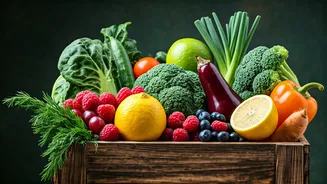
Increasing fiber consumption is a crucial first step toward weight loss. Fiber promotes satiety, helping you feel fuller for longer periods, thus reducing
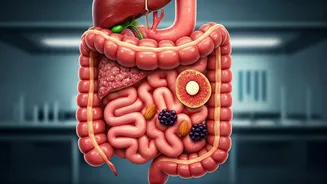
overall calorie intake. It also improves digestion and supports gut health, which is essential for overall well-being. Focusing on fiber-rich foods like fruits, vegetables, whole grains, and legumes is a smart strategy to incorporate into your diet. This shift not only aids in weight management but also offers various health advantages, including improved cholesterol levels and a reduced risk of chronic diseases. Make sure to gradually increase your fiber intake to avoid any digestive discomfort and stay hydrated throughout the process.
Ditch Processed Foods
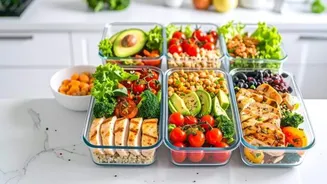
Minimizing processed food consumption is another critical element for effective weight loss. Processed foods frequently contain high levels of added sugars, unhealthy fats, and sodium, which contribute to weight gain and various health problems. Making conscious choices to replace processed items with whole, unprocessed foods like fresh fruits, vegetables, and lean proteins can greatly benefit your weight loss journey. Preparing meals at home more frequently allows you to control the ingredients and portion sizes, facilitating healthier eating habits. Reading food labels carefully and being aware of hidden sugars and unhealthy additives are also important steps in navigating the grocery store and making wise choices.
Moderate Alcohol Consumption
Limiting alcohol intake is essential when aiming for weight loss. Alcoholic beverages are often calorie-dense and can hinder weight loss efforts. Alcohol can interfere with metabolism, and it can also encourage overeating. If you choose to drink alcohol, it's wise to do so in moderation, avoiding excessive amounts and opting for lower-calorie options. Being mindful of your alcohol consumption and making it an occasional treat rather than a regular habit is a smart approach. Consider alternative beverages like sparkling water with fruit slices, herbal teas, or non-alcoholic cocktails to keep your calorie count low while enjoying a pleasant drink.
Prioritize Calcium Intake
Ensuring adequate calcium intake is crucial for weight management and overall health. Calcium plays a role in various bodily functions and may assist in weight loss by potentially helping to regulate fat metabolism. Incorporating calcium-rich foods like dairy products, leafy green vegetables, and fortified foods into your diet is beneficial. If you are lactose intolerant or do not consume dairy, explore non-dairy sources of calcium, such as fortified plant-based milk alternatives, tofu, or almonds. Ensuring enough calcium is especially crucial for women, as they are at a higher risk of osteoporosis, and adequate intake can help maintain bone health.
Avoid Fad Dieting
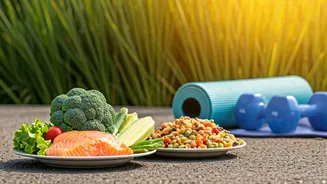
Staying away from fad diets is a wise move when pursuing sustainable weight loss. Fad diets often promise quick results, but they tend to be unsustainable and can lead to nutrient deficiencies and rebound weight gain. Instead of following these restrictive diet plans, prioritize a balanced and realistic eating approach that includes a variety of nutrient-rich foods. Focus on building healthy eating habits that you can maintain long-term. Consulting a registered dietitian or a healthcare professional can help you develop a personalized eating plan that meets your specific nutritional needs and lifestyle, leading to successful and lasting weight loss.