




Street Food Sensations
India's streets are a vibrant gastronomic adventure, buzzing with vendors serving an array of tantalizing snacks and meals. From the crispy, tangy goodness
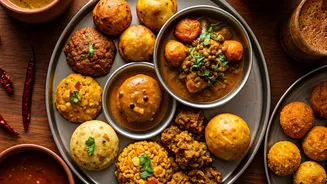
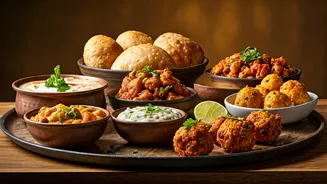
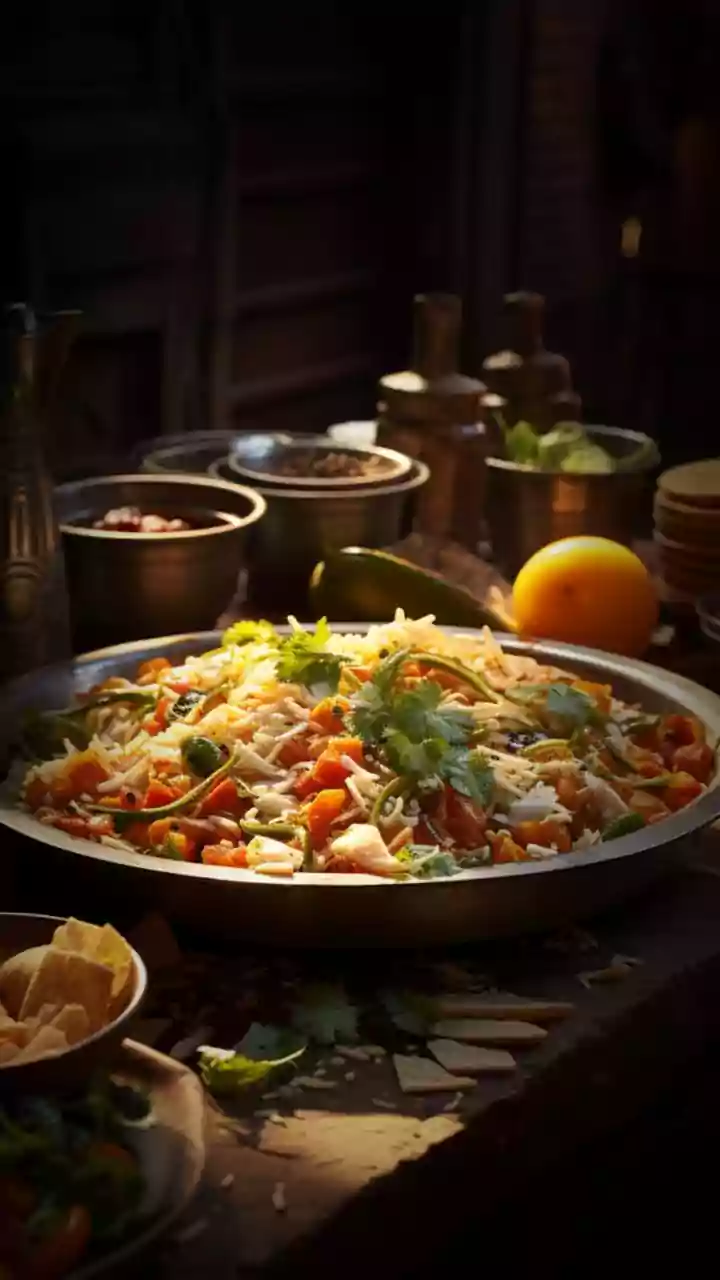
of 'pani puri' or 'golgappa,' where hollow semolina shells are filled with spiced water, tamarind, and potatoes, to the savory 'vada pav,' a spiced potato fritter nestled in a soft bun, these quick bites are an integral part of the Indian experience. 'Samosas,' triangular pastries filled with spiced potatoes and peas, are another ubiquitous favorite, often served with mint or tamarind chutney. 'Chaat,' a broad category encompassing a variety of savory snacks, often features fried dough, potatoes, chickpeas, and chutneys, creating a symphony of textures and tastes. Exploring these street food stalls offers an authentic glimpse into local flavors and culinary traditions, providing affordable and delicious treats that are loved by all.
Regional Culinary Stars
Indian cuisine is a mosaic of regional specialties, each with its unique character and ingredients. The north boasts rich, creamy gravies like butter chicken and paneer makhani, often accompanied by fluffy naan or roti. In contrast, the south is known for its lighter, often lentil-based dishes, such as 'dosa' (rice crepes), 'idli' (steamed rice cakes), and flavorful sambar. Coastal regions excel in seafood preparations, utilizing coconut and aromatic spices, while the eastern states are famed for their use of mustard oil and subtle flavors, with iconic dishes like 'fish curry' and 'rasgulla.' The west offers a diverse palette, from the spicy 'dhokla' of Gujarat to the fiery curries of Maharashtra. This regional diversity showcases the vast cultural influences and geographical variations that have shaped India's culinary map, offering an endless exploration of tastes and aromas for every palate.
The Art of Spices
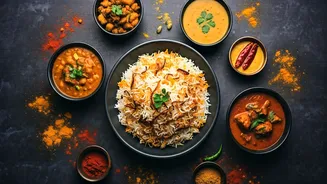
The soul of Indian cooking lies in its masterful use of spices. Aromatic blends like 'garam masala,' a complex mix of ground spices, form the backbone of many dishes, lending them warmth and depth. Turmeric provides a vibrant golden hue and earthy notes, while cumin and coriander offer a savory foundation. Cardamom, cloves, and cinnamon add sweet, pungent aromas, especially in rice dishes and desserts. Fresh ginger and garlic are fundamental aromatics, sautéed to release their pungent fragrances. Chilies, in various forms, introduce heat and complexity, ranging from mild Kashmiri chilies to fiery bird's eye varieties. Understanding the subtle interplay of these spices is key to appreciating the intricate flavors and aromas that define Indian cuisine, transforming simple ingredients into extraordinary culinary creations.
Festive Feasts & Traditions
Food plays a central role in Indian festivals and celebrations, acting as a focal point for gatherings and cultural expression. During Diwali, the festival of lights, families prepare a plethora of sweets and savory snacks, such as 'laddoo' (sweet dumplings), 'barfi' (milk-based sweets), and 'namkeen' (savory mixtures), often shared generously. Eid is marked by rich Mughlai dishes like 'biryani' and succulent kebabs, while Christmas sees festive cakes and regional specialties. Onam in Kerala features a grand vegetarian feast called 'Sadhya,' served on a banana leaf with numerous traditional dishes. These culinary traditions not only celebrate religious and cultural milestones but also reinforce family bonds and community spirit, showcasing the enduring connection between food, festivity, and heritage.