



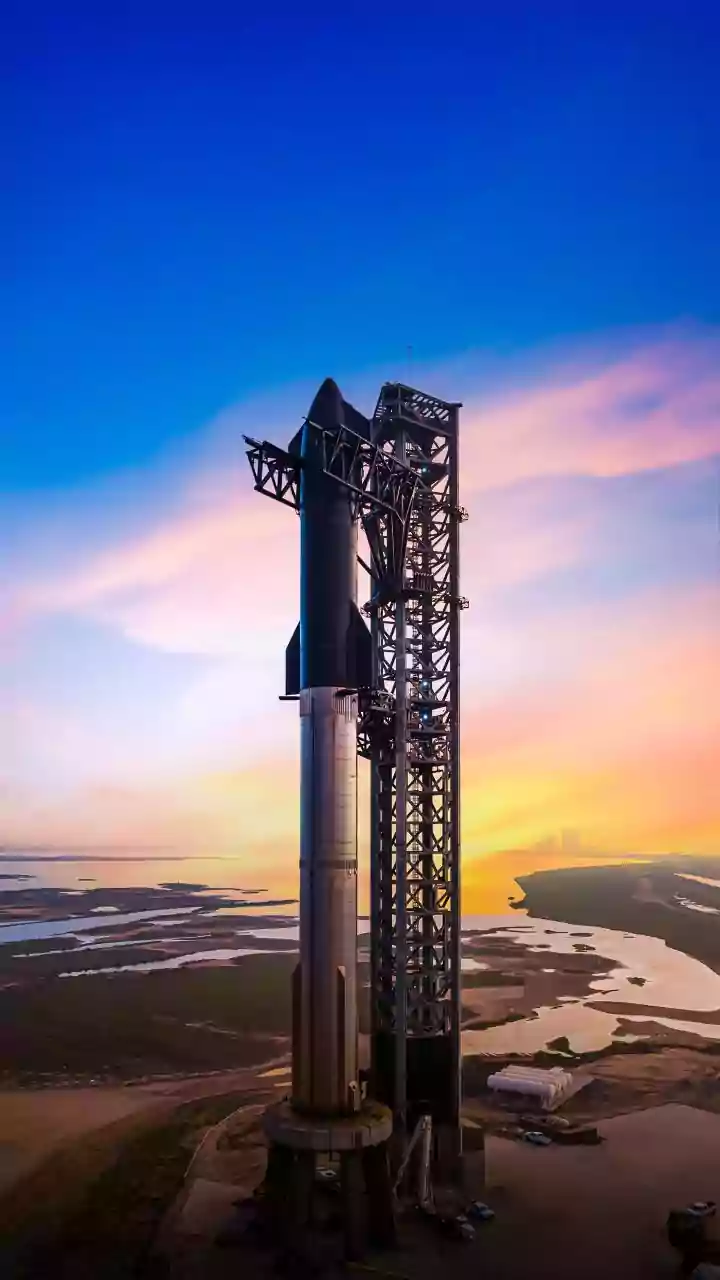
Anticipation Builds
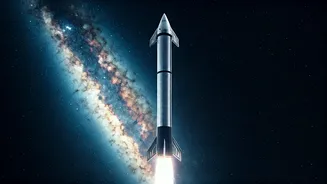
The aerospace world is abuzz with anticipation as SpaceX prepares for the much-awaited inaugural flight of its Starship Version 3. Originally envisioned
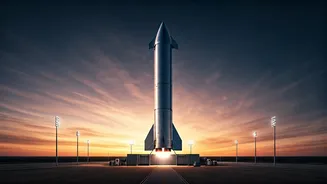
for an earlier date, a series of unforeseen challenges has recalibrated the launch window, with the latest target set for May 19th. This groundbreaking mission, slated to commence from the Starbase facility in South Texas at 6:30 p.m. ET, represents a monumental leap forward for what is now the planet's most potent rocket. The go-ahead for this launch follows the successful completion of a comprehensive wet dress rehearsal, during which both the Super Heavy booster and the Starship upper stage were fully loaded with propellants. This recent successful fueling exercise serves as a critical validation, confirming that the V3 hardware is now fully prepared for its demanding atmospheric journey. This test flight is not merely a milestone; it's a crucial stepping stone for SpaceX's ambitious plans for deep space exploration and NASA's renewed lunar objectives.
Testing the Limits
SpaceX is deliberately pushing the envelope with this initial flight, incorporating sophisticated tests designed to gather invaluable data for future missions. In preparation for eventual re-entry and terrestrial landings, the team plans to reignite a Raptor engine while the vehicle is in space, subjecting it to a series of rigorous maneuvers as it plummets back through the atmosphere. Furthermore, as a calculated risk to understand material resilience under extreme conditions, engineers will intentionally dislodge a single heat shield tile. This controlled experiment will provide direct insights into how adjacent tiles withstand intense heat and aerodynamic forces, crucial information for developing the world's first completely reusable spacecraft and ensuring the safety and longevity of future Starship missions.
Navigating Setbacks
Bringing the world's most ambitious rocket to life has been a journey fraught with complications. The initial aspiration was to conduct the twelfth flight test as early as January, following the retirement of the Version 2 hardware in October. However, a succession of unforeseen difficulties prevented the colossal vehicle from taking to the skies. The most significant impediment arose in November when the Super Heavy booster designated for this mission sustained considerable damage during a routine testing phase. Since that incident, the launch schedule has been in constant flux. In late January, Elon Musk hinted at a launch within six weeks, a projection that shifted by another four weeks by March, and was revised once more by April. While SpaceX has maintained a degree of discretion regarding the precise technical obstacles causing these delays, a recent documentary offered a rare glimpse into the intensive work at Starbase, illustrating the formidable engineering challenges encountered during vehicle development and the intricate construction of the new launch infrastructure.
Next-Generation Design
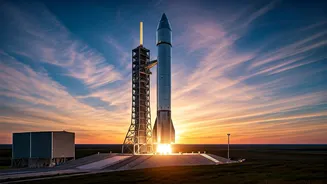
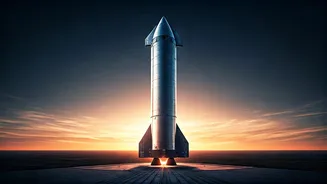
This upcoming launch signifies the debut of Starship Version 3, representing a significant evolution of both rocket stages. The enhancements are geared towards boosting overall performance, notably featuring upgraded Raptor engines. It also marks the inaugural use of a newly constructed launch pad at Starbase for a Starship mission. According to SpaceX, the principal objective of this flight test is to observe the performance of each newly integrated component in a real flight environment. Every aspect of the Starship system has undergone substantial redesigns to facilitate complete and rapid reusability, incorporating lessons learned from years of dedicated development and testing.
Flight Test Objectives
This suborbital journey, officially designated Flight 12, will follow a well-established trajectory but will incorporate several crucial and innovative elements. Instead of the rapid "chopstick" catch maneuvers previously attempted for booster recovery, the Super Heavy booster will execute a controlled, soft splashdown in the Gulf of Mexico. Following its ascent into orbit, the Starship upper stage will release 22 mass simulators, carefully calibrated to replicate the weight and dimensions of future Starlink satellites. To meticulously assess the heat shield's integrity during atmospheric re-entry, two of these mock-satellites are outfitted with specialized cameras positioned to capture detailed imagery of Starship's underside. This sophisticated surveillance system, essentially a high-tech selfie, will provide SpaceX with critical data to verify the heat shield's resilience for future return journeys.