

Embrace the Wild Weather
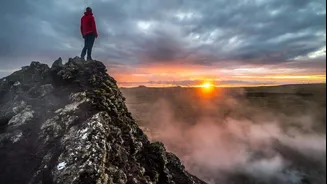
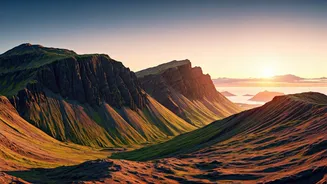
Prepare for unpredictable weather in Iceland's Westfjords, where winter conditions can surprise you even in summer. Pack windproof and waterproof gear,
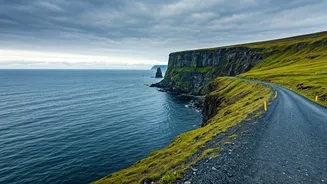
sturdy boots, and warm layers. Always carry a spare tire and extra fuel, and remember that cell service can be unreliable, making a physical map and ferry schedules essential companions for navigating the remote backroads of this stunning peninsula. This region demands a sense of preparedness, ensuring your exploration is both safe and enjoyable, regardless of what the Icelandic elements decide to present.
Best Time to Visit
The Westfjords present a unique experience year-round, though weather remains a constant consideration. The summer months, from June to August, offer the most stable conditions and extended daylight, with the sun famously not setting in midsummer. This peak season sees all major routes open, making travel smoother, but also requires booking accommodations in advance, especially in larger towns like Ísafjörður. For a more solitary exploration of hiking trails, consider the spring or fall shoulder seasons. Winter is for the truly intrepid, offering skiing opportunities in Ísafjörður and a good chance to witness the mesmerizing Northern Lights, though daylight hours are significantly reduced, and heavy snowfall is common, impacting accessibility.
Duration of Stay
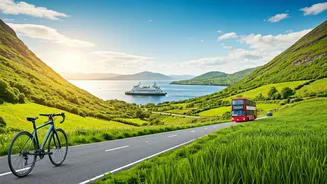
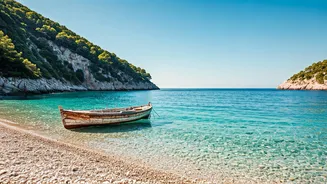
Given the effort required to reach the Westfjords, a brief day trip from Reykjavík is feasible but extremely demanding. For a more immersive experience, dedicating three to five days to a base in Ísafjörður allows for excursions to key sights like Dynjandi waterfall and Rauðisandur beach. To truly connect with the region's raw natural beauty, consider a week or more. This extended timeframe enables activities such as kayaking in Ísafjarðardjúp, trekking in the remote Hornstrandir Nature Reserve, or cycling the scenic routes, allowing you to truly embrace the unhurried rhythm of this captivating landscape.
Navigating the Region
Accessing and traversing the Westfjords presents a rewarding challenge. The drive from Reykjavík is substantial, with the peninsula's neck and then Ísafjörður being significant distances apart. While domestic flights connect Reykjavík to Ísafjörður and Gjögur, they are not cost-effective. A car is nearly indispensable for exploration, though be prepared for unpaved and sometimes rough roads, most of which are manageable with a two-wheel-drive vehicle. Notable exceptions include the gravel road to Dynjandi waterfall, which can be snow-covered for much of the year. Plan fuel stops carefully, as gas stations are sparse. Access to the Hornstrandir peninsula is exclusively by boat from Ísafjörður between June and September, and ferries also connect to the Snæfellsnes peninsula year-round.
Accommodation Options
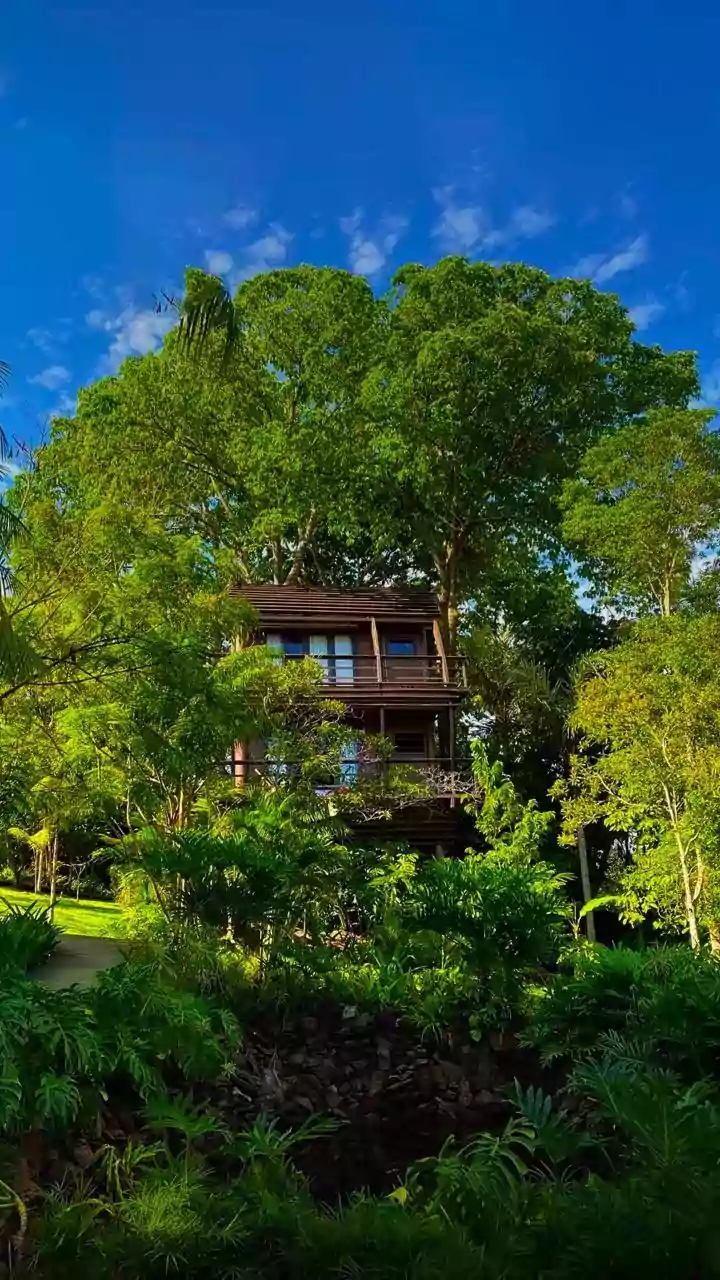
Despite its expansive geography, accommodation in the Westfjords is limited, with only a few hundred rooms available across the region. Travelers can opt for charming farm stays and homestays, or take advantage of the lower property prices for excellent short-term rentals. Ísafjörður offers various options, including hostels like the upscale Ísafjörður Hostel. For a more tranquil setting outside of Ísafjörður, consider places like Guesthouse Steinhús or the unique farmstay near Mjóifjörður featuring a greenhouse pool. Closer to the stunning Rauðasandur cove, you'll find cozy, hobbit-sized wooden pods perfect for a peaceful retreat, with camping also an option.
Must-See Attractions
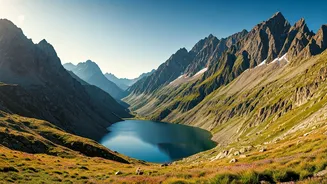
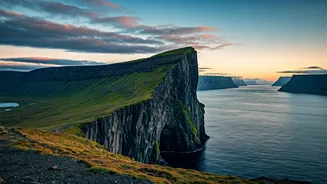
The Westfjords are brimming with natural wonders and cultural insights. The majestic Dynjandi waterfall, a cascade of six falls culminating in the grand Fjallfoss, offers breathtaking views. For the active traveler, cycling the Westfjords Way, a 960km coastal route, presents a significant challenge and unparalleled scenery; the loop between Arnarfjörður and Dýrafjörður via Svalvogar is particularly rewarding for experienced cyclists. Explore the charming capital of Ísafjörður, with its historic timber buildings and the Westfjords Heritage Museum. For a true wilderness experience, hike in the remote Hornstrandir Nature Reserve, accessible only by boat, or delve into the mystical past at the Museum of Icelandic Sorcery & Witchcraft in Hólmavík. Finally, don't miss the striking red sands of Rauðisandur and the teeming bird cliffs of Látrabjarg, Europe's westernmost point, alive with puffins and other seabirds from June to mid-August.