







Plastic's Hidden Dangers
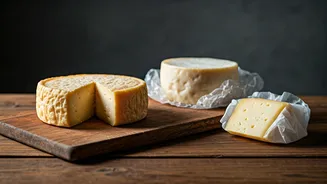
Many home cooks opt for the convenience of storing cheese in plastic bags, but this seemingly simple habit can lead to a host of problems. Plastic, particularly
polyethylene and PVC types, creates a moisture-rich environment that is ideal for the rapid proliferation of mold and undesirable bacteria, including the potentially hazardous Listeria. Furthermore, due to cheese's high fat content, it has a propensity to absorb chemical compounds that can leach from these plastic materials. This absorption not only compromises the cheese's flavor and texture but also raises significant health concerns, making the everyday plastic bag a risky choice for your dairy delights. Therefore, understanding these risks is the first step towards preserving your cheese's quality and ensuring its safety.
The Breathable Alternative
Nutritionist Amy Shah offers a straightforward yet impactful solution to the common cheese storage dilemma: switch to paper or a combination of paper and other wrapping materials. She emphasizes that high-fat foods like cheese require an environment that allows them to breathe, a characteristic that plastic inherently lacks. Opting for parchment paper or wax paper, perhaps followed by placing the wrapped cheese in a container, allows for adequate air circulation. This method helps maintain the cheese's intended texture and prevents the excessive moisture build-up that accelerates spoilage and mold growth. Embracing this simple substitution can significantly extend the life of your cheese, preserving its intended taste and consistency.