




Turmeric's Fading Glow
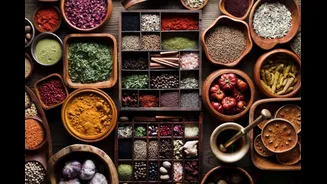
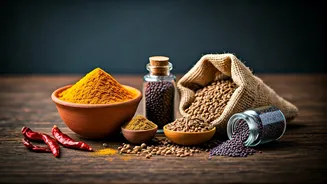
Many home cooks mistakenly store turmeric, or Haldi, in transparent jars positioned close to the heat of the stove. This dual exposure to light and warmth
accelerates the degradation of its active compounds, leading to a noticeable loss of its signature golden hue and its characteristic earthy, subtly bitter taste. To counteract this, it's crucial to transfer turmeric into opaque, airtight containers. These should then be kept in a cool, dark cupboard, shielded from light and heat, thereby preserving its potency and vibrant colour for longer periods. This simple shift in storage location and container type is key to maintaining its flavour profile in your dishes.
Chilli Powder's Lost Fire
When red chilli powder, or Lal Mirch, starts to look less vibrant, it's a strong indicator that it has been exposed to excessive air. This process, known as oxidation, not only fades its appealing crimson colour but also significantly diminishes its inherent heat and aromatic qualities. To ensure your chilli powder retains its punch, always store it in a container that seals tightly, preventing air from entering. It's also vital to keep it away from any heat sources. For optimal freshness, consider purchasing or preparing smaller quantities more frequently, ensuring you use them before they have a chance to lose their intensity.
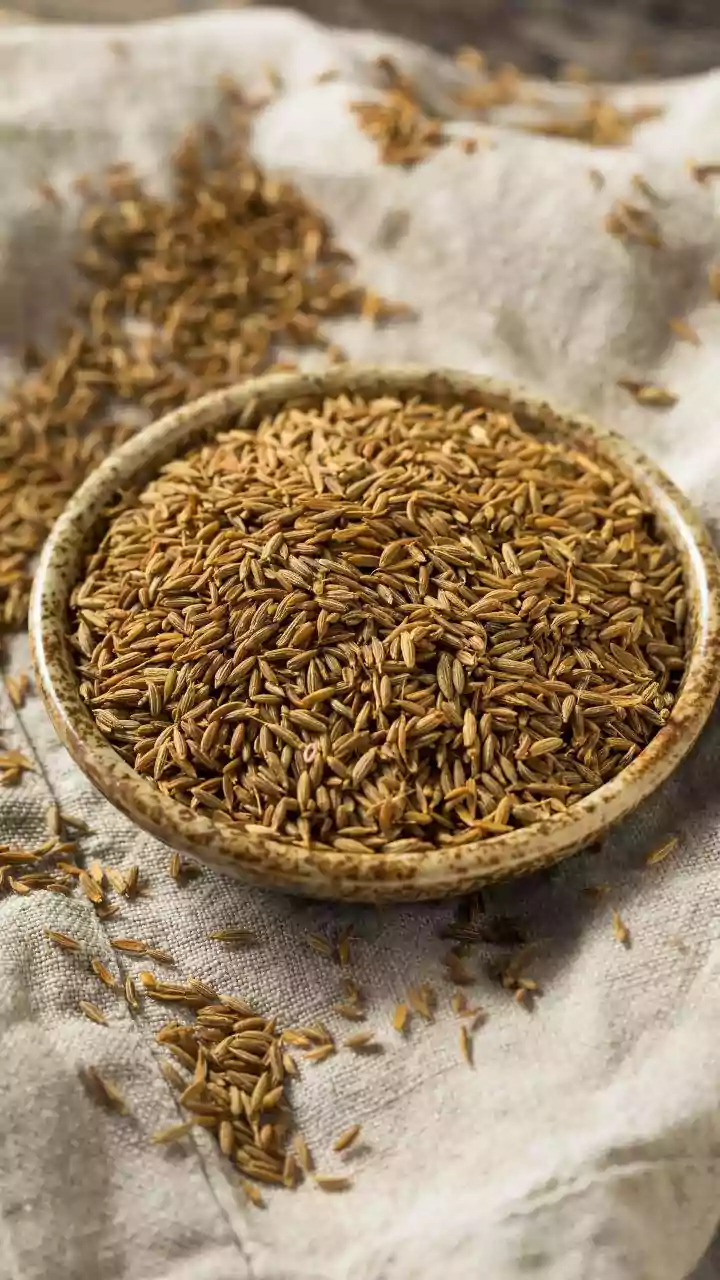
Cumin Seeds' Dull Aroma
Whole spices like cumin seeds, or Jeera, often suffer from storage in containers with loose closures. This lack of a proper seal allows the natural oils within the seeds to evaporate, resulting in a flat, uninspired taste that lacks the depth and warmth it should impart. The best practice for storing cumin seeds is in an airtight container. Furthermore, to truly awaken their aroma and flavour just before you plan to use them, try dry roasting a measured amount. This quick heating process revitalizes the essential oils, releasing their full aromatic potential for your culinary creations.
Garam Masala's Fading Layers
Garam masala, a complex and beloved spice blend, is particularly vulnerable to incorrect storage methods. Storing large quantities in wide-mouthed jars that are frequently opened allows constant exposure to the surrounding air. This leads to a gradual dissipation of its intricate layers of flavour and aroma, making the blend less impactful in dishes. To maintain its robust profile, divide your garam masala into smaller, manageable portions. Store each portion in a separate airtight container, ensuring that when one is in use, the others remain perfectly sealed. For the best results, aim to consume it within a few months of preparation.
Mustard Seeds' Moisture Woes
While mustard seeds, or Rai, may appear resilient, they are susceptible to moisture, which can compromise their distinct sharp, nutty flavour. Prolonged exposure to humidity can not only dull their taste but can also eventually lead to spoilage. Therefore, it is imperative to store mustard seeds in a completely dry environment. Use a sealed container that effectively keeps moisture out, paying special attention to this during periods of high humidity, such as the monsoon season in India. This diligence will ensure their pungent kick remains intact.