







Foot Swelling Signals
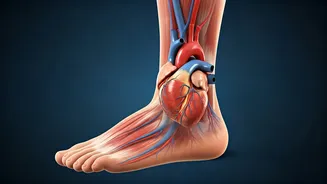
Persistent swelling in your feet and ankles, particularly noticeable as the day progresses and lingering into the morning, could be a sign of peripheral
edema. This condition involves the accumulation of excess fluid in the lower extremities, manifesting as puffiness, skin that feels tight or appears shiny, a sense of heaviness, and sometimes discomfort or restricted movement. While this symptom is indeed linked to potential heart conditions, it's crucial to note that it can also arise from more mundane factors like extended periods of sitting, consuming excessive salt, or even issues with your kidneys or liver. The key takeaway is the persistence of the swelling; if it doesn't improve significantly, it warrants further medical investigation.
Chilly Feet Concerns
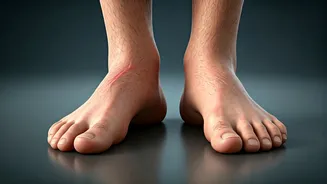
Experiencing an unusual coldness in one or both feet, even when the surrounding environment is warm, might be an indicator of peripheral artery disease (PAD). This condition occurs when the arteries supplying blood to your limbs become narrowed, thereby reducing blood flow. This diminished circulation can also manifest as leg pain when walking, a sensation of numbness, or a noticeable delay in the healing of any foot or leg injuries. It is important to remember that not all instances of cold feet point to serious health problems. However, it becomes a cause for concern when the coldness is persistent or when it is accompanied by other accompanying symptoms.
Leg Hair Loss Clues
A less commonly recognized but significant indicator of poor circulation in the lower limbs is hair loss on the legs and feet, often accompanied by skin that feels unusually smooth and looks shiny. This phenomenon is linked to reduced blood flow, which means that the hair follicles are not receiving adequate oxygen and vital nutrients. This deprivation gradually leads to hair thinning and loss. While this specific symptom might not be noticed immediately, its presence, especially when combined with other signs such as cool skin temperature or faint pulses in the extremities, can strongly suggest underlying vascular issues that require medical attention.
Delayed Wound Healing
When a wound on your foot or leg takes an extended period, spanning several weeks, to heal, it is considered a serious sign. This delayed healing can signify the presence of blocked arteries or peripheral artery disease, where the compromised blood flow significantly hinders the body's natural repair processes. Insufficient circulation limits the delivery of oxygen and essential nutrients required for tissue regeneration, consequently increasing the susceptibility to infections. Dr. Gupta strongly emphasizes that such prolonged healing times substantially elevate the risk of developing complications like ulcers or irreparable tissue damage, making it imperative not to overlook this symptom.