




Celestial Spectacle Above
Death Valley National Park, recognized by DarkSky International as a gold-tier dark-sky park, offers an unparalleled stargazing experience. During the
spring months, particularly from early March, the galactic core of the Milky Way becomes visible to Northern Hemisphere observers, presenting a truly awe-inspiring celestial panorama. Imagine gazing upon galaxies, nebulae, and meteors in skies so dark they reveal the intricate beauty of our spiral galaxy. Prime locations for this cosmic display include the Mesquite Flat Sand Dunes, the expansive Badwater Basin, and the dramatic Zabriskie Point, where the absence of light pollution allows for an unobstructed view of the universe's grandeur. The spring season provides a unique opportunity to witness these astronomical wonders without the discomfort of extreme summer temperatures, making it an ideal time for nocturnal exploration.
Vibrant Wildflower Displays
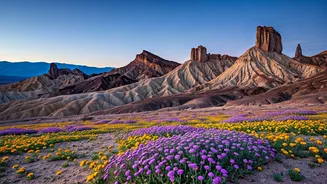
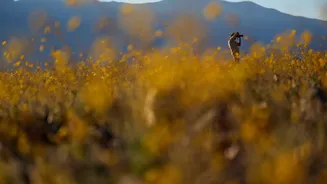
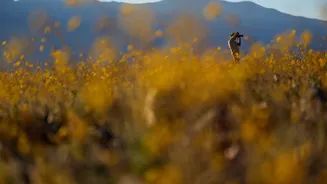
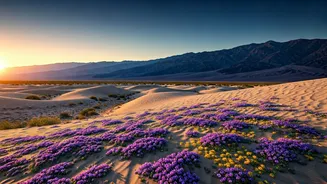
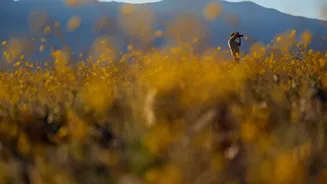
Springtime in Death Valley National Park holds the exciting possibility of witnessing a 'superbloom,' a spectacular natural phenomenon that occurs when winter rainfall is sufficient. This phenomenon typically culminates in late March or early April, transforming the desert floor into a vibrant carpet of gold wildflowers. While the occurrence of a superbloom is dependent on precipitation, checking park updates is highly recommended for those hoping to catch this fleeting spectacle. The visual impact of vast swathes of the desert landscape erupting in color is a breathtaking sight, offering a stark and beautiful contrast to the park's arid environment. Experiencing this natural artistry is a significant draw for visitors during the spring, providing a rare and cherished encounter with the desert's resilience and beauty.
Adventures on Foot
The moderate spring climate in Death Valley makes it an excellent period for hiking, allowing for comfortable exploration throughout the day and night. The Mesquite Flat Sand Dunes present a unique hiking experience where the absence of designated trails encourages a choose-your-own-adventure approach amidst towering sand formations. These dunes are particularly striking in spring, often adorned with the vibrant green and yellow foliage of surrounding trees, adding an unexpected splash of color to the sandy landscape. Further exploration can lead to the stunning Artists Palette, a series of hills showcasing a natural spectrum of orange, pink, blue, and yellow hues due to volcanic deposits. A more challenging trek is the six-mile hike through Titus Canyon towards the Fall Canyon Narrows, where one can traverse less-visited areas, marvel at striated black dolomite and limestone walls, and potentially spot wildlife like bighorn sheep.
Exploring the Salt Flats
A visit to Death Valley National Park is incomplete without experiencing the surreal expanse of Badwater Basin, home to the lowest elevation in North America. This vast area, stretching across nearly 200 square miles, is composed of ancient lakebed remnants, characterized by shimmering salt flats formed from calcite, gypsum, and borax. For the most captivating views, venturing approximately two miles out onto the flats is recommended. The basins transform into a magical spectacle during the golden hours of sunrise and sunset, as the white salt floor absorbs the warm, orange and golden hues of the sky. This expansive, crystalline landscape offers a unique geological marvel and a serene environment for reflection and photography.
Backcountry Exploration
For those seeking to venture off the typical tourist paths and escape spring crowds, Death Valley's backcountry offers an extensive network of nearly 1,000 miles of both paved and unpaved roads. These routes wind through dramatic canyons, desert scrub, and offer soaring vistas, providing an immersive wilderness experience. Undertaking a backcountry drive requires thorough preparation, including essential survival supplies, as these areas are remote and rugged. It's crucial to note that most standard rental car agreements prohibit off-road driving, necessitating specialized vehicles or guided tours. Companies in Furnace Creek offer suitable vehicles for rent, or one can opt for guided backcountry driving tours, ensuring a safe and informed exploration of the park's less-traveled, rugged terrain with experienced guides.
Spring Accommodation Options
Despite its remote location, Death Valley National Park provides a diverse range of accommodation choices for visitors during the spring. In the Furnace Creek area, The Inn at Death Valley offers a luxurious, historic retreat with a spring-fed pool and elegant casitas, while The Ranch at Death Valley provides a more family-friendly atmosphere alongside an 18-hole golf course. For those preferring proximity to the sand dunes, the Stovepipe Wells Village offers a relaxed setting with a newly renovated hotel, a swimming pool, and on-site dining, along with RV hookups. Camping enthusiasts have several options, including Furnace Creek Campground, which operates from mid-October to mid-April and accepts walk-ins, and Sunset Campground, the park's largest, which typically has ample space even during the busy spring season.