
Golden Glow's Appeal
Turmeric soap has become a skincare sensation, with a significant increase in its popularity. This growth can be linked to the rising desire for natural
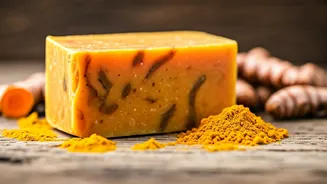
and holistic beauty solutions. The main factor fueling this craze is the perceived benefits of turmeric, renowned for its possible anti-inflammatory and antioxidant properties. Consumers are often attracted to the soap's vibrant color and the idea of incorporating a traditional ingredient into their daily routines. The trend is amplified by social media and influencer marketing, where users share their experiences and results, further boosting its appeal. Many view it as a way to achieve glowing, healthy skin, making it a sought-after product in the beauty market. Overall, the surge in turmeric soap's popularity reflects a larger trend toward natural skincare alternatives.
Benefits Unveiled
Advocates of turmeric soap praise its ability to address skin problems. The active ingredient, curcumin, is believed to possess antioxidant characteristics. These antioxidants may combat the harmful effects of free radicals, which can accelerate aging and harm the skin. Many users claim that turmeric soap aids in lightening dark spots and evening out skin tone, resulting in a more radiant complexion. Its anti-inflammatory properties are seen as beneficial for treating acne and other skin problems, possibly helping to reduce redness and irritation. Additionally, some people believe that turmeric soap has antimicrobial effects, potentially offering protection against skin infections. While personal experiences vary, the potential advantages often make it a prominent choice for those looking for natural skincare options. It's important to remember that more scientific study is required to fully confirm these effects.
Who Should Avoid?
Despite its many benefits, turmeric soap is not suitable for everyone, and certain individuals should exercise caution before using it. People with sensitive skin should perform a patch test before using the soap. This test involves applying a small amount to the skin and waiting to see if any adverse reactions occur, like redness, itching, or irritation. Those with skin conditions such as eczema or psoriasis should seek the advice of a dermatologist before incorporating turmeric soap into their skincare regimen. This is because turmeric can sometimes trigger or worsen these conditions. Additionally, it is essential to look for authentic products from trusted sources to avoid any potential allergic reactions. While turmeric is considered safe for most people, it's always best to be aware of possible sensitivities and to prioritize the health of your skin before trying any new product. If in doubt, consulting a skincare expert is recommended.
Making the Choice
To determine whether turmeric soap is right for you, consider your skin type and concerns. If you have oily or acne-prone skin, the soap's potential anti-inflammatory and antibacterial properties might be beneficial. However, if your skin is dry or sensitive, it's essential to do a patch test and observe how your skin reacts. Always read product labels to ensure the soap contains genuine turmeric and is free of harsh additives or allergens. Choose products made with natural ingredients to reduce the risk of irritation. For best results, use turmeric soap consistently as part of your skincare routine, but don't overdo it. Start with using it a few times a week, and then increase the frequency as needed. Combine the soap with other skincare products such as moisturizers, according to your needs. By understanding the advantages, considering your skin type, and choosing high-quality products, you can make an informed decision on whether or not turmeric soap is the right choice for your skin care.