






Timing is Everything
Vitamin D is a powerhouse nutrient, essential for maintaining robust bones and a strong immune system, contributing significantly to overall well-being.
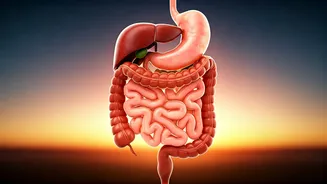
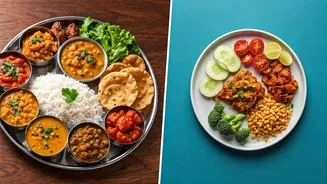
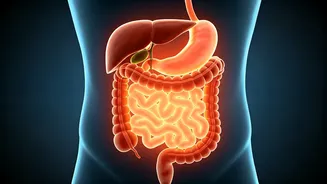
However, many individuals are not aware that the timing and method of consuming Vitamin D supplements can drastically impact how efficiently their body absorbs it. Dr. Priyanka Sehrawat, a neurologist and general physician based in Gurugram, Haryana, shared crucial insights in an Instagram post, shedding light on the most effective ways to take Vitamin D. She emphasizes that Vitamin D is a fat-soluble vitamin. This characteristic means its absorption is best when there's fat present in your digestive system. Therefore, Dr. Sehrawat advises her patients to consume their Vitamin D supplements during their largest meal of the day, typically a substantial breakfast or lunch. A meal that includes a mix of carbohydrates, fats, and proteins, like rice, curd, and vegetables, creates the ideal environment in your gut for optimal Vitamin D uptake. In essence, pairing your supplement with a well-rounded, hearty meal, rather than taking it on an empty stomach, allows your body to gain the maximum benefit from it.
Maximizing Supplement Efficacy
For those utilizing powdered or sachet forms of Vitamin D, Dr. Sehrawat offers a specific, effective strategy: opt for milk over water. This recommendation is rooted in two key factors. Firstly, milk is a source of healthy fats, which, as previously mentioned, are crucial for the absorption of fat-soluble vitamins like Vitamin D. Secondly, milk is rich in calcium, a mineral that works synergistically with Vitamin D. Adequate Vitamin D levels in the body are instrumental in helping calcium to be effectively absorbed into your bones, thereby strengthening them. Conversely, a sufficient intake of calcium can also enhance the absorption of Vitamin D from the intestine into your bloodstream. This powerful combination of Vitamin D and calcium is fundamental for supporting bone density and overall skeletal health, significantly boosting the effectiveness of your supplementation efforts.
Scientific Backbone
The importance of Vitamin D in bodily functions is well-supported by scientific research. A 2019 fact sheet from the Office of Dietary Supplements (ODS) at the U.S. National Institutes of Health (NIH) highlights Vitamin D's indispensable role in calcium absorption and the process of bone mineralization. Although Vitamin D is biologically inactive until it undergoes metabolic processes within the body, maintaining adequate levels is paramount for preventing certain health issues. In children, a deficiency can lead to rickets, a condition characterized by soft and deformed bones. For adults, insufficient Vitamin D can result in osteomalacia, a similar condition causing bone pain and weakness. Beyond these specific conditions, sufficient Vitamin D levels are crucial for supporting healthy calcium metabolism throughout life, ensuring that this essential mineral is utilized efficiently by the body.
Dietary Powerhouses
While supplements are a convenient way to ensure adequate Vitamin D intake, incorporating Vitamin D-rich foods into your diet can significantly complement your supplementation strategy. For individuals in India, incorporating common kitchen staples can be a delicious and effective way to boost intake. Fatty fish such as salmon are renowned for their high Vitamin D content. Other excellent dietary sources include egg yolks, paneer (Indian cottage cheese), and ghee. Buttermilk, especially when fortified, also contributes to Vitamin D levels. By consciously including these nutrient-dense foods in your regular meals, you can create a more holistic approach to maintaining healthy Vitamin D levels, supporting your bones and immune system naturally alongside your supplements.