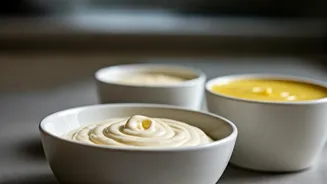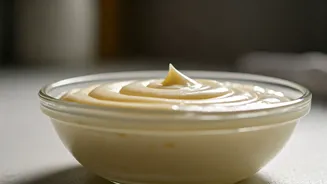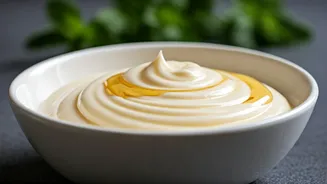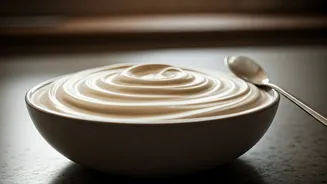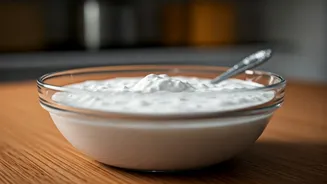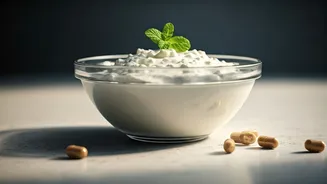





Why Homemade Curd?
Embracing homemade curd offers a healthier alternative to commercial products, as it's free from artificial preservatives and additives often found in store-bought
varieties. Making curd at home not only contributes to long-term well-being but also proves to be a cost-effective solution, especially with rising prices. This nutrient-dense food, rich in probiotics, plays a crucial role in maintaining a healthy gut, aiding digestion, and can even offer relief for individuals with lactose intolerance. Its nutritional profile also includes essential elements like protein, calcium, phosphorus, and various B vitamins, vital for overall bodily functions and vitality. Opting for homemade curd ensures a pure, beneficial addition to your daily diet, supporting both health and your budget with its simple yet powerful goodness.
Effortless Curdling Methods
Achieving consistently thick and delicious homemade curd is surprisingly straightforward with just three effective techniques. The first method involves introducing the acidity of half a lemon to a litre of whole milk. This natural acidity jumpstarts the fermentation process, yielding a delightfully thick curd with a pleasant, slightly tangy flavour profile. For the second approach, utilize the natural presence of lactobacillus bacteria found on the surface of green chillies. By adding one whole or a partially cut chilli to the milk, the curd sets well, resulting in a texture slightly thinner than the lemon method, yet notably free from any discernible chilli taste. The third, and arguably most dependable, method employs a spoonful of existing, good-quality curd as a starter. This established culture is teeming with active bacteria, guaranteeing a familiar taste and a perfect, stable texture, making it a go-to for reliable curd-making.
The Art of Setting Curd
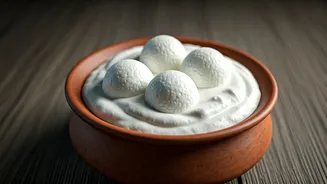
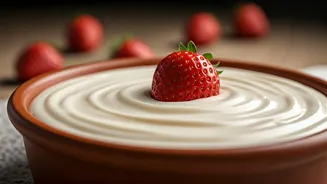
To elevate your homemade curd from good to exceptionally thick, a few key steps in the setting process are paramount. Begin by boiling a litre of whole milk, then allow it to simmer on low heat until it visibly thickens, concentrating its natural richness. Once thickened, let the milk cool slightly, but ensure it remains warm to the touch – not completely cold. The next crucial step is frothing the milk; this can be achieved by pouring it between two containers multiple times, introducing aeration which aids in a smoother texture. After frothing, gently stir in your chosen curd starter (whether it's lemon juice, chilli, or existing curd) and toss it lightly a couple of times to ensure even distribution. Finally, transfer this mixture to a thick-bottomed bowl, a casserole, or even an earthen pot, cover it securely with a lid, and place it in a warm environment for 5 to 8 hours, or overnight depending on the ambient temperature. Prompt refrigeration immediately after the curd sets helps maintain its firm consistency.
Tips for Thicker Curd
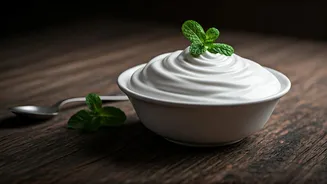
Ensuring your homemade curd achieves that desirable thick consistency involves paying attention to specific details during preparation and setting. Always opt for whole milk, as its higher fat content contributes significantly to a richer, firmer curd. Further simmering the milk for an additional 10 minutes after boiling helps concentrate its solids, enhancing the final thickness. When introducing your starter curd, ensure it's fresh and at room temperature; using one to one and a half tablespoons of culture is generally sufficient. Frothing the milk before adding the starter is a non-negotiable step, as it introduces air, which is crucial for the curd's texture. Avoid using sour starter curd, as this will inevitably result in a sour final product. It's vital to dissolve the starter culture uniformly within the milk, whisking thoroughly to prevent clumps. Earthen vessels are also excellent for curd making, as they offer a natural, porous environment that aids in setting. For those in colder climates, consider placing the setting curd in an oven (turned off) or wrapping it in warm blankets to maintain the necessary temperature. Remember, the quality of milk is the primary determinant of curd consistency; practice makes perfect, so don't be discouraged if your first attempts aren't exactly as envisioned.