





Fueling Uncertainty
Escalating global conflicts, notably the Iran-Israel tensions, have inadvertently triggered a cascade of issues for India's vibrant restaurant sector,
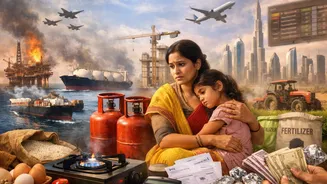
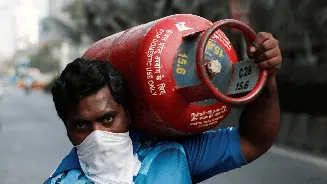
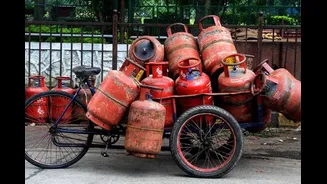
with a looming Liquefied Petroleum Gas (LPG) shortage at the forefront. This crisis is not merely about rising fuel prices; it's a serious concern for the availability of this essential resource that powers countless kitchens across the nation. Businesses, ranging from humble street-side vendors to established dining establishments, are compelled to re-evaluate their operational strategies and even their core offerings. The situation is particularly acute in cities like Bengaluru, celebrated for its diverse culinary landscape, where iconic dishes such as the dosa are facing unprecedented pressure. Traditional preparation methods, heavily reliant on LPG-fired tandoors and griddles, are directly threatened, forcing restaurateurs to explore costly and time-consuming alternatives like electric equipment or even manual techniques, thereby increasing operational overheads and impacting service efficiency.
Bengaluru's Dosa Dilemma
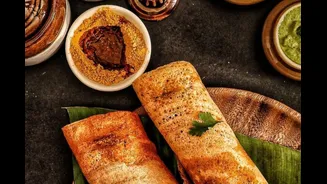
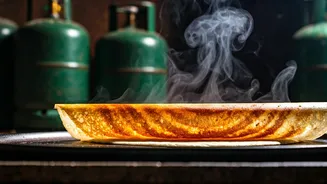
Bengaluru, a city synonymous with its delicious and diverse dosa offerings, is now grappling with the stark reality of an LPG shortage that directly threatens this culinary staple. The traditional preparation of these popular South Indian pancakes, requiring consistent heat from gas-powered griddles, is becoming increasingly difficult. Restaurants that are accustomed to using anywhere from six to twelve LPG cylinders daily are now finding their supplies drastically cut, with some receiving as little as 20% of their usual deliveries. This scarcity has forced immediate, albeit temporary, measures such as reducing the number of active cooking stations to conserve gas. For establishments like Vidyarthi Bhavan, a nearly eight-decade-old eatery famous for its dosas, this means a significant reduction in the daily output of 1,800 to 2,000 dosas, with projections indicating that if supply doesn't resume soon, their operations could be severely curtailed. The urgency of the situation has prompted state Chief Minister Siddaramaiah to formally appeal to the Union Minister for Petroleum and Natural Gas for immediate intervention to restore commercial LPG supplies and prevent widespread disruption to businesses.
Menu Makeovers
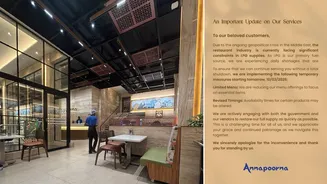
Across India, particularly in culinary hubs like Mumbai and Gurugram, restaurants are actively implementing 'crisis menus' and exploring alternative cooking methods to mitigate the impact of the commercial LPG shortage. The government's directive to prioritize domestic gas supply has significantly affected the delivery of commercial cylinders to eateries, leading to a stark decline in availability. To cope, many establishments are shifting focus to dishes that require less cooking time or lower gas consumption. Pan-Asian and Oriental cuisine, known for its high-flame cooking requirements, is especially hit, with some chefs expressing a desire to use charcoal-based cooking temporarily. Others are investing in electric or induction cookers, though these are often found to be less efficient for replicating the authentic flavors and textures of certain dishes. The National Restaurant Association of India (NRAI) has issued advisories urging members to adopt fuel conservation measures, including rationalizing menus, training staff on gas discipline, and considering shorter operating hours or alternative cooking solutions.
Supply Chain Shocks
The repercussions of the Iran-Israel conflict extend beyond the immediate LPG shortage, creating a ripple effect across the broader supply chain that impacts India's restaurant industry. Increased global tensions contribute to price volatility and potential disruptions in the sourcing of various essential ingredients and raw materials. This multifaceted challenge is pushing many businesses to the brink, with some owners fearing for their very survival if the situation does not stabilize soon. The scarcity of commercial LPG cylinders has also unfortunately fueled a black market, with prices for a single cylinder skyrocketing to ₹2,800 to ₹3,000, a steep increase from the official rate of around ₹1,940 for a 19-kg cylinder. This not only makes it difficult for smaller businesses to secure fuel but also creates an uneven playing field. The industry is urgently calling for government intervention to stabilize LPG prices, ensure consistent supply, and encourage the diversification of energy sources to build resilience against future shocks.