






Wipe Out Germs
Your trusty dish towels are often washed but can become breeding grounds for bacteria if not managed properly. Over time, they can develop unpleasant odors
and lose their absorbency, diminishing their effectiveness. Cleaning professionals emphasize the importance of washing dish towels daily after each use. This consistent cleaning not only upholds their hygiene and visual appeal but also ensures they continue to perform their function efficiently, preventing the unwanted accumulation of germs and potential for cross-contamination in your culinary space.
Beyond the Month
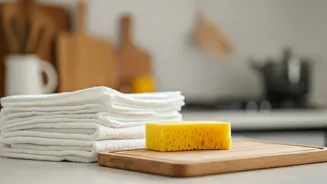
Sponges and scrubbers, due to their porous nature and constant dampness, are notorious for cultivating mildew and bacteria. Experts recommend a strict replacement schedule, suggesting a new sponge at least once a month, or even sooner if any signs of odor or discoloration appear. This proactive approach is crucial for preventing the widespread dissemination of germs, thereby significantly enhancing the overall cleanliness and safety standards within your kitchen environment. Regularly swapping out these cleaning tools is a small step that makes a substantial difference in maintaining a hygienic home.
Smooth Cooking Surface
For those who frequently engage in cooking, it's vital to inspect your non-stick pots and pans for any signs of wear and tear. When the interior coating becomes scratched, the pan's performance deteriorates, and the non-stick film can potentially disintegrate into your food. Professional organizers advise replacing cookware as soon as you notice significant damage to the surface. This ensures both the quality of your cooking and prevents any unintended consumption of flaking material, safeguarding your health and culinary experience.
Fresh Water Flow
Over extended periods, water filters can become clogged with various contaminants, leading to a noticeable reduction in water flow. This slowdown is a clear signal that the filter is saturated and requires replacement. Depending on the frequency of use, filters found in water pitchers or refrigerator dispensers typically need to be changed every two to six months. Maintaining this replacement schedule ensures you continue to receive purified water, free from accumulated impurities.
Container Care
It's a good practice to periodically assess your collection of plastic storage containers for any signs of damage. Look out for warping or discoloration, as these imperfections can indicate that the container is no longer suitable for storing food. Damaged plastic containers can become a haven for bacteria, compromising the safety of your stored meals. Replacing these worn-out containers is essential for preventing bacterial growth and maintaining food integrity.
Cutting Board Health
While it might seem harmless to hold onto older cutting boards, professionals urge their replacement if they exhibit deep cuts or appear dated. Over time, knife marks on cutting boards can create crevices that trap bacteria. These bacteria can then lead to cross-contamination when preparing different food items. Discarding severely damaged or worn-out cutting boards is a crucial step in preventing the spread of harmful microbes and ensuring food safety in your kitchen.