



A Champion's Advocacy
Industrialist Harsh Goenka recently ignited a conversation about Odia cuisine, advocating for its recognition alongside more widely celebrated Indian regional
foods. His endorsement came after he experienced a delightful homemade meal featuring classic Odia dishes. Goenka specifically noted the cuisine's remarkable restraint, emphasizing its absence of excessive cream, butter, or chili. Instead, he pinpointed a harmonious blend of balance, the prominent use of mustard, thoughtful fermentation, varied textures, and an overarching sense of freshness as its defining characteristics. This appreciation stems from a personal encounter that highlighted the nuanced and often understated brilliance of Odisha's culinary heritage, prompting a wider audience to consider its unique appeal and potential for greater acclaim.
The Essence of Odia Flavors
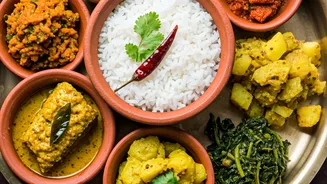
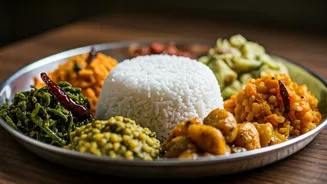
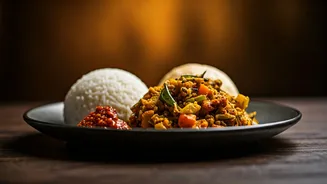
Odia cuisine distinguishes itself through a philosophy centered on subtle flavors and the inherent quality of its ingredients, rather than an overwhelming reliance on potent spices or rich gravies. This approach allows the natural taste of each component to shine through, creating a dining experience that is both nourishing and delicately flavored. Goenka's firsthand experience with dishes like Dahi Bara Aloo Dum, Drumstick-Brinjal Besara, Chhena Tarkari, Chakuli Pitha, and Aloo Patra Besara, all prepared with home-cooked care, revealed the depth of comfort and tradition embedded in these culinary staples. These dishes are prime examples of how Odia cooking transforms simple ingredients through time-honored techniques such as steaming, fermentation, and slow-cooking, often featuring mustard as a key flavor enhancer, thereby showcasing a culinary artistry that prioritizes balance and ingredient integrity.
Techniques and Traditions
The art of Odia cooking lies in its skillful manipulation of basic ingredients to achieve complex and satisfying results, employing techniques that have been refined over generations. Central to its preparation are methods like fermentation, which adds a unique tang and depth to many dishes, and steaming, a healthy approach that preserves the natural flavors and nutrients of food. Furthermore, the use of mustard, either as a paste or oil, is a hallmark, lending a distinctive pungent kick and aroma that is quintessential to the cuisine. This reliance on foundational cooking processes, coupled with a deep connection to seasonal produce, reflects a culinary heritage that is both grounded in practicality and rich in cultural significance, often finding expression in the traditional offerings of temples and everyday home kitchens across Odisha.
A Cuisine Rooted in Culture
Odia cuisine is intrinsically linked to the rich cultural and spiritual fabric of Odisha, with the sacred kitchen of the Jagannath Temple in Puri serving as a profound inspiration and a testament to its culinary heritage. This temple kitchen, renowned as one of the largest in the world, prepares vast quantities of 'Mahaprasad' daily, embodying the essence of Odia cooking – simplicity, purity, and devotion. The dishes served there, such as 'Abhada', are considered divine, and many who have experienced them attest to their unparalleled taste and spiritual significance. This deep-rooted connection to religious traditions highlights how Odia food is not just sustenance but a vital element of cultural identity, influencing everyday cooking and celebrations, and underscoring its importance beyond mere gastronomy.
Pathways to Recognition
Despite its inherent qualities, Odia cuisine has historically remained less visible on the national and international culinary stage, a situation many attribute to a lack of aggressive promotion rather than any deficiency in its offerings. Enthusiasts suggest that broadening the scope of Indian cuisine representation beyond the conventional 'North Indian' and 'South Indian' categories to include an 'East Indian' segment could provide a much-needed platform for Odia and other eastern regional cuisines. Such a move would acknowledge the diversity and richness of India's food landscape. By encouraging a more inclusive approach to showcasing culinary traditions, there is a significant opportunity to elevate Odia cuisine, allowing its unique flavors, healthy preparation methods, and cultural depth to be appreciated by a global audience, thereby fulfilling its potential for widespread acclaim.