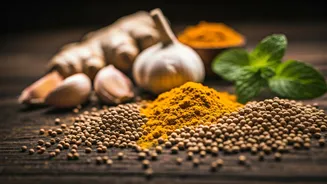

Turmeric's Golden Touch
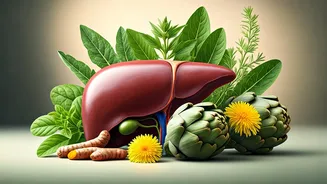
Turmeric, with its active compound curcumin, is a star player against inflammation. This golden spice can be used in numerous ways. Incorporating turmeric
into your diet is simple. Try adding it to your curries, vegetable stir-fries, or even a warm glass of turmeric milk. For example, a small amount, roughly a teaspoon of turmeric powder per serving, can be a great starting point. Regularly consuming turmeric can have a significant effect on reducing inflammation within the body. Its properties make it a staple ingredient in many traditional Indian remedies for various health issues, with the spice being a versatile and beneficial addition to your daily routine.
Ginger's Healing Power
Ginger, a close relative of turmeric, also packs an anti-inflammatory punch. Known for its potent bioactive compounds, ginger can effectively combat inflammation. Consuming ginger is easy. Try adding grated ginger to your tea, adding it to your curries, or even making a ginger-infused honey mixture. The recommended intake of ginger is about 1-2 grams of dried ginger or 1-3 grams of fresh ginger root per day. Its compounds assist in reducing inflammation by inhibiting the production of inflammatory molecules in the body. Furthermore, ginger aids in digestion and can soothe nausea, offering a dual benefit.
Garlic's Strong Defense
Garlic, a widely used culinary ingredient, offers strong anti-inflammatory properties due to its allicin content. This compound is released when garlic is crushed or chopped. To use garlic effectively, chop or crush it, let it sit for a few minutes to activate the allicin, and then add it to your dishes. Garlic is commonly used in Indian cooking. Including garlic in your meals can provide a robust defense against inflammation. It works by reducing the production of inflammatory cytokines. You can consume one to two cloves of garlic daily for its health benefits. It is also known to boost immunity and promote overall well-being.
Cinnamon's Sweet Relief
Cinnamon, a spice with a delightful aroma, is also a potent anti-inflammatory agent. It contains compounds that help reduce inflammation throughout the body. Cinnamon can be added to both sweet and savory dishes, such as your oatmeal, curries, or even your morning coffee. Consuming 1/2 to 1 teaspoon of cinnamon daily can provide noticeable anti-inflammatory effects. Cinnamon can help improve blood sugar control. It works by reducing the production of inflammatory markers. For instance, incorporating cinnamon into your diet might include sprinkling it on your breakfast cereal or adding a cinnamon stick to your tea or coffee.
Ajwain's Carom Magic
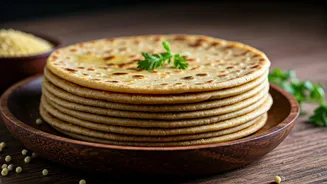
Ajwain, or carom seeds, is a popular spice in Indian cuisine. It is recognized for its ability to reduce inflammation and aid in digestion. Add ajwain seeds to your dishes by including them in your parathas, curries, or stir-fries. Approximately 1 to 2 teaspoons of ajwain seeds can be consumed daily. It helps reduce inflammation by releasing certain enzymes. Ajwain also is known to soothe stomach issues, making it a great choice for those experiencing digestive discomfort. The active compounds present in ajwain help relieve bloating and gas, and the spice is known for its medicinal benefits in Ayurveda.
Jeera's Cumin Calm
Jeera, or cumin seeds, is a staple in Indian cooking and is also known for its anti-inflammatory properties. Jeera offers an array of health benefits. These small seeds can be added to various dishes. Try them in your tadkas, vegetable preparations, or even rice dishes. Consuming 1 to 2 teaspoons of cumin seeds daily can help in reducing inflammation. Cumin works by blocking the production of inflammatory compounds. Apart from its anti-inflammatory properties, cumin also aids in digestion and enhances nutrient absorption, contributing to overall health and well-being. Regular usage offers a flavorful way to promote internal balance.
Moong Dal's Gentle Aid
Moong dal (split green gram) is a light and easily digestible lentil that contributes to reducing inflammation. This humble ingredient is a powerhouse of nutrients and is easy to incorporate into your diet. Moong dal can be used to make khichdi, dals, and soups. Eating moong dal regularly, such as in the form of Moong Dal Khichdi, can contribute to managing inflammation. The fiber and antioxidants present in moong dal assist the body in repairing and soothing damaged tissues. Being rich in protein and nutrients, it is a wholesome and soothing option. Moong dal is not only beneficial for reducing inflammation but is also easy on the digestive system, making it an excellent choice.