


The Essence of Umami
Umami, often referred to as the fifth taste, is crucial for creating deeply satisfying and complex flavors, particularly in vegetarian cooking where it
can sometimes be challenging to replicate the inherent savoriness of meat. While monosodium glutamate (MSG) is a direct source of this savory sensation, offering a straightforward salty boost, it lacks the nuanced layers that other ingredients can provide. The goal in vegetarian cuisine is to harness umami not just for its savory character, but also for the additional dimensions of taste and texture it contributes, making meat-free dishes as compelling and rich as their meat-based counterparts. This involves a thoughtful selection of ingredients that naturally possess high levels of glutamates, the compounds responsible for this sought-after taste, thereby enriching the overall culinary experience.
Chef Cohen's Savory Strategies
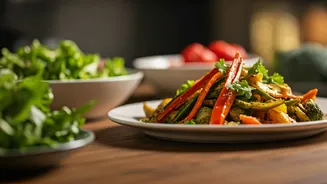
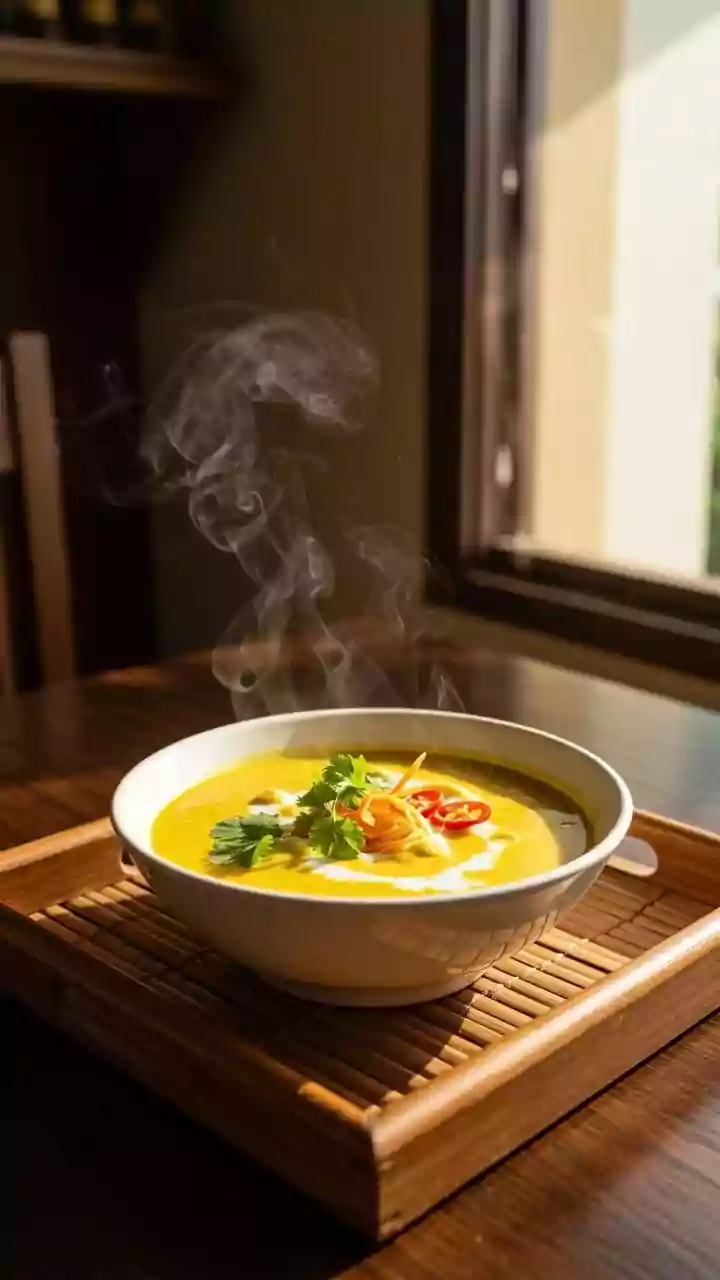
Chef Amanda Cohen emphasizes that umami isn't a standalone flavor but rather an enhancer of existing tastes. She highlights the importance of intensifying vegetable flavors, especially given their lower fat and higher water content. Cohen suggests transformative cooking methods like roasting vegetables to their near-burnt edges, creating a deeply concentrated stock from these caramelized elements mixed with raw counterparts for butternut squash soup. For general vegetable roasting, blending olive oil with roasted vegetables before tossing them imparts significant umami. A touch of something as simple as garlic, she notes, can elevate nearly any dish, making its inherent flavors 'sparkle'.
Jacoby & Landau's Flavor Layering
Kate Jacoby and Rich Landau, renowned chefs, approach umami with a focus on complexity and balance. Jacoby champions acidity, using elements like tamarind to add a tart yet rich and sweet dimension to dishes, particularly desserts, awakening the palate. She also extols the virtues of fresh turmeric for its earthy, root-like notes and dried turmeric for a deeper flavor. Landau frequently employs miso paste, not just in Japanese cuisine, but across various dishes to lend a subtle cheesiness and background richness; he suggests roasting miso for intensified flavor. Additionally, he utilizes dried porcini mushrooms, finely ground, to add an earthy, almost chocolate-like depth to sauces and soups, advocating for their fresh storage to maintain potency.
Pelzel's Umami Arsenal
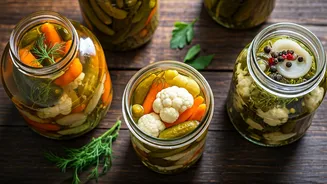
Raquel Pelzel shares a diverse range of umami-rich ingredients. She begins with soy sauce, even investing in premium varieties infused with ingredients like kelp and black beans, using it liberally in everything from chocolate frosting and pancakes to marinara and fresh vegetables. Smoke is another key player; she notes that adding maple syrup and liquid smoke can transform mushrooms into a bacon-like delicacy, perfect for vegan chilis. Lapsang souchong tea offers a smoky brine for tofu or can be pulverized into a dry rub. Pelzel is also a fervent admirer of kimchi, consuming it frequently, but particularly values its juice for adding intense flavor to stir-fries, eggs, and avocado toast. Similarly, pickle juice is a versatile ingredient for salad dressings and other applications.
Pakron's Nutritional Powerhouse
Timothy Pakron identifies nutritional yeast as his primary umami-boosting ingredient due to its high concentration of naturally occurring glutamic acid. This versatile ingredient enhances the savory profile of a wide array of dishes, including roasted vegetables, soups, stews, gravies, sauces, grains, and even bread, often used subtly to avoid distinct recognition. He prefers flake-form nutritional yeast, readily available in bulk sections of natural food stores. Pakron also frequently uses miso, citing its extensive glutamic acid content derived from aging and fermentation processes. He specifically recommends Miso Master as an accessible brand, noting their soy-free options for those with dietary restrictions.