





Beyond Hormonal Focus
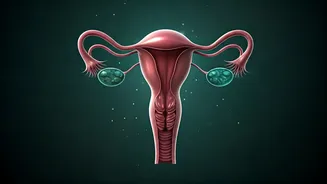
Ayurveda offers a unique perspective on Polycystic Ovary Syndrome (PCOS), diverging from the conventional view of it as solely a reproductive or hormonal
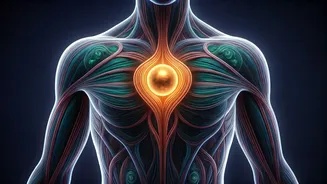
disorder. Instead, it's understood as a reflection of deeper imbalances occurring across multiple bodily systems. This ancient science suggests that issues related to digestion, metabolism, how the body manages stress, and overall lifestyle choices contribute significantly to the condition. By shifting the focus from just the ovaries, Ayurveda encourages an examination of the entire body's interconnectedness. This holistic view implies that addressing PCOS requires a broader strategy that nurtures overall health and equilibrium, rather than targeting isolated symptoms. The body's signals, like irregular cycles or skin concerns, are interpreted as messages indicating this wider disarray, urging a deeper understanding and a more comprehensive approach to healing.
Digestive Strength Foundation
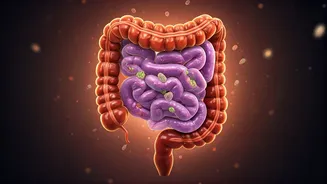
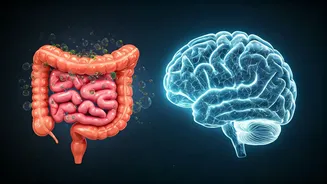
At the core of Ayurvedic management for PCOS lies the concept of Agni, or digestive fire. Ayurveda posits that a robust digestive system is paramount for overall health, influencing how effectively the body absorbs nutrients and eliminates waste products. When Agni is weak or imbalanced, this process falters, which can subsequently impact metabolic functions and the intricate regulation of hormones. Supporting digestive health, therefore, becomes a foundational step in recalibrating the body. By nurturing a strong Agni through dietary adjustments and digestive aids, the body is better equipped to process food, leading to improved nutrient assimilation and a natural return to hormonal balance. This emphasizes that seemingly unrelated aspects like food intake and gut health are intrinsically linked to hormonal well-being and symptom management.
Daily Rhythms Matter
Ayurveda emphasizes the profound impact of consistent daily routines on restoring balance within the body, especially when managing conditions like PCOS. Rather than relying on singular, drastic interventions, this approach champions the power of regularity in everyday habits. Establishing consistent meal times, ensuring adequate and timely sleep, and incorporating regular physical activity all contribute to stabilizing the body's internal clock, known as the circadian rhythm. Even minor adjustments, such as eating meals at predictable hours or reducing consumption of processed foods, can lead to significant positive changes over a few weeks. Furthermore, practices like Abhyanga, a gentle self-massage with warm oils, are recognized for their ability to soothe the nervous system, which is particularly beneficial when hormonal fluctuations intersect with stress, promoting a sense of calm and equilibrium.
Herbal Support Integration
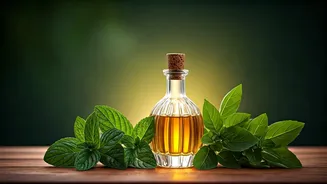
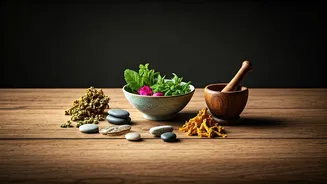
While lifestyle and digestive health are primary pillars, Ayurvedic management of PCOS also incorporates specific herbal remedies to support the body's natural restorative processes. Ingredients such as Lodhra, Shatapushpa, and Guduchi have been traditionally utilized in Ayurvedic practice for their properties in promoting menstrual health and maintaining overall balance. However, Ayurveda stresses that these herbs are most effective when integrated as part of a comprehensive approach, complementing rather than replacing essential lifestyle adjustments. This means that herbs are viewed as supportive agents, working in synergy with improved digestion and balanced routines, rather than as standalone cures. The philosophy here is that true and sustainable balance cannot be achieved through shortcuts; it requires a dedicated, multifaceted strategy that addresses the root causes of imbalance.