




Glute Bridges Unveiled
The glute bridge stands as a cornerstone exercise, primarily targeting the gluteal muscles, which include the gluteus maximus, medius, and minimus. This
movement involves elevating your hips from the floor while ensuring your shoulders, hips, and knees maintain a straight, aligned posture, forming a linear path from your shoulders down to your knees at the peak of the lift. To perform this effectively, it's vital to bend your knees, aligning them with your ankles, and to consciously engage your glutes as you lift your hips. Crucially, avoid creating an excessive arch in your lower back; focus on a controlled, powerful contraction of the glutes to lift your pelvis. This exercise is fundamental for building a strong posterior chain, which is integral to core stability and reducing strain on the lower back during various activities.
Supine Heel Drops Explained
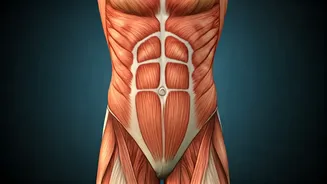
Supine heel drops offer a gentle yet effective way to engage deep abdominal muscles and enhance lumbar stability, performed while lying on your back with your knees bent at a 90-degree angle. The exercise involves alternately lowering one heel towards the floor, ensuring that your lower back remains firmly pressed against the ground throughout the movement. This controlled action helps to strengthen the transversus abdominis and other deep core stabilizers without placing undue stress on the spine. Key to this exercise is maintaining slow, deliberate movements and exhaling as you lower your heel. It's also important to keep your neck neutral and your shoulders relaxed, allowing the core to do the work without tension in the upper body. This exercise is excellent for building endurance in the core and improving spinal support.
Knee-Assisted Side Planks
Knee-assisted side planks are specifically designed to bolster the oblique abdominal muscles, which play a vital role in stabilizing the entire core. This exercise strengthens a network of core muscles including the pelvic floor, transversus abdominis, multifidus, and both internal and external obliques. By performing the side plank with the knees bent and supporting your body, the intensity is modified, making it more accessible while still highly effective. The goal is to maintain a single, straight line from your head down to your knees, actively lifting your hips away from the floor. It's crucial to avoid letting your shoulders collapse or sag. This variation is excellent for building lateral core strength, which is essential for rotational movements and overall torso stability.
Bird Dogs for Balance
Bird dogs represent another powerful core strengthening exercise that enhances balance and proprioception. This movement involves extending one arm and the opposite leg outwards, keeping them parallel to the floor, while maintaining a tight core to prevent any tilting or loss of balance. The objective is to move with deliberate control, holding the extended position for a brief moment before returning to the starting position. After completing a set with one arm and leg, you switch to the other side. It’s essential to keep your pelvis stable and avoid any rotation or leaning to one side. This exercise not only strengthens the core but also improves coordination and builds stability through reciprocal limb movement.
Scapula Push-Ups Focus
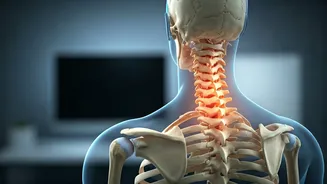
While traditional push-ups are renowned for building upper body power, including the triceps, chest, and shoulder muscles, the knee-assisted scapula push-up introduces a crucial, often-overlooked element: the engagement of the back muscles. This modified push-up emphasizes the activation of the scapula and rhomboid muscles, which are vital for posture and are frequently underutilized. By focusing on the movement of the shoulder blades rather than solely relying on the neck and shoulder muscles, this exercise helps to improve spinal alignment and overall posture. It's a fantastic way to incorporate back strengthening into your core routine, contributing to a more balanced and resilient physique.