
What is Sattu?
Sattu, the star ingredient, is essentially roasted chickpea flour, a staple in several Indian states. This humble ingredient packs a nutritional punch.
It's rich in protein, making it an excellent choice for those seeking to build or maintain muscle mass. Sattu is also high in fiber, aiding digestion and promoting a feeling of fullness. This helps in managing weight by curbing unnecessary cravings. Furthermore, sattu offers a good dose of essential nutrients, contributing to overall health and well-being. Its versatility makes it a favorite in the kitchen, easily incorporated into various dishes.
Sattu Paratha Benefits
The benefits of including Sattu Paratha in your diet are numerous. The high protein content makes it a perfect breakfast for those aiming to lose weight, as protein helps in satiety and boosts metabolism. The fiber content supports healthy digestion and prevents constipation. Moreover, sattu's low glycemic index helps to regulate blood sugar levels, preventing energy crashes. This results in sustained energy throughout the morning, keeping you active and focused. Regular consumption can also contribute to improved gut health and overall well-being. Sattu Paratha's nutritional profile makes it a healthy and delicious choice.
Ingredients You Need
To make delicious Sattu Paratha, you'll require some basic ingredients. Primarily, you'll need sattu flour, of course. Also important are wheat flour for the dough, finely chopped onions, green chilies for a bit of spice, and fresh coriander leaves for flavor. You'll need spices like cumin powder, carom seeds (ajwain), and salt to season the filling. You'll also want some oil or ghee for cooking the parathas. These ingredients combined make for a flavorful and nutritious meal, readily accessible in most Indian households.
Preparing the Dough
First, take the wheat flour in a mixing bowl and slowly add water, kneading until you achieve a soft, pliable dough. Cover the dough and set it aside to rest for about 20-30 minutes. In the meantime, prepare the sattu filling. In a separate bowl, mix sattu with finely chopped onions, green chilies, coriander leaves, and spices. Add a little water to moisten the mixture. This is how you prevent it from being too dry. The resting period helps the gluten in the flour relax, resulting in softer parathas. It also allows the flavors of the filling to meld together, enhancing the overall taste.
Making the Filling
Creating the sattu filling is straightforward yet crucial to the paratha's taste. In a bowl, combine the sattu flour with finely chopped onions, green chilies, coriander leaves, cumin powder, carom seeds, and salt. Add a few drops of water, mixing gently to form a moist filling, not too wet. Ensuring the filling has the right consistency is key; avoid adding too much water, which might make the parathas tear while rolling. The filling should be flavorful, and the spices must be well-balanced to elevate the overall taste of the paratha. This preparation stage guarantees the burst of flavors in every bite.
Assembling the Paratha
Once the dough and filling are ready, it's time to assemble the paratha. Take a portion of the dough and roll it into a small circle. Place a spoonful of the sattu filling in the center and gather the edges of the dough to seal it completely, like a small pouch. Gently press the filled dough to flatten it slightly. Then, roll it carefully into a paratha of your desired thickness, ensuring the filling is evenly distributed inside. This process will ensure that the paratha doesn’t tear and the filling remains intact during cooking, allowing for even distribution of flavors.
Cooking the Paratha
Heat a flat griddle or tava over medium heat. Place the rolled-out paratha on the hot surface and cook it. Drizzle a little oil or ghee on top. As the paratha cooks, flip it over. Apply a little more oil or ghee on the other side. Cook the paratha, pressing it gently with a spatula to ensure even cooking and to help it puff up. The paratha is ready when it turns golden brown on both sides. This process gives the paratha its crispy exterior and soft, flavorful interior. The cooking time varies depending on the thickness, so watch it carefully to prevent burning.
Serving Suggestions
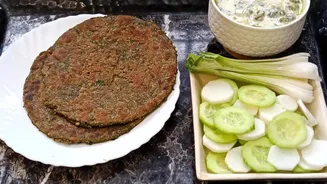
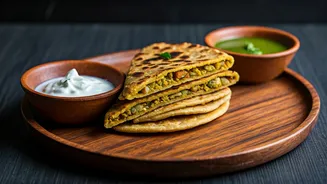
Sattu Paratha tastes best when served hot. It can be paired with a variety of accompaniments. Plain yogurt or raita makes a cooling contrast to the spiced filling. You can also serve it with a dollop of butter or ghee for extra richness. For a more flavorful meal, pair it with a pickle, chutney, or any other side dish of your choice. A cup of hot tea or coffee is an excellent complement to the paratha. Serving the paratha immediately ensures the best taste and texture, giving the perfect breakfast experience. The meal is versatile and can be customized to individual tastes.