





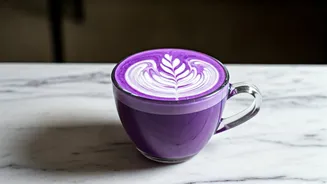
Ube's Culinary Journey
Ube, a vibrant purple yam native to the Philippines, has a rich history steeped in culinary tradition, primarily serving as a star ingredient in a variety
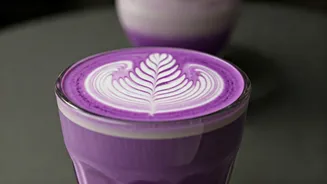
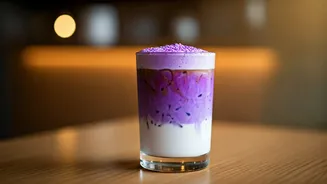
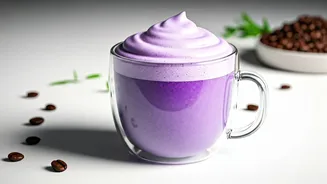
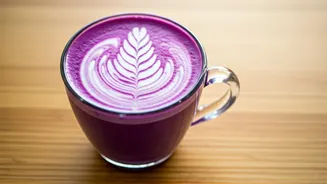
of beloved Filipino desserts. Its naturally sweet profile, creamy texture, and striking violet hue have made it a staple in dishes such as cakes, ice cream, and the classic 'ube halaya'. Recently, this versatile root vegetable has transcended its traditional dessert role, finding a new spotlight in the global coffee scene. Cafes worldwide are now transforming simple lattes and iced coffees into visually stunning, pastel-purple beverages, largely propelled by their photogenic qualities and the allure of a novel flavour experience. This shift marks a significant departure for ube, integrating it into everyday beverages and capturing the attention of both food enthusiasts and social media users alike.
Nutritional Snapshot of Ube
The allure of ube coffee extends beyond its captivating colour; it also raises questions about its nutritional value. Ube, the purple yam at its core, is recognized for its inherent fibre content and antioxidant properties, which can contribute positively to digestive health and overall well-being. Dietician Komal Malik points out that while these elements are beneficial, the current widespread popularity of ube coffee is significantly influenced by its visual appeal and aggressive social media promotion. She emphasizes that ube is not a miraculous superfood, but rather a root vegetable that offers some nutritional advantages when consumed in appropriate quantities. Therefore, while it can contribute positively to a diet, it's crucial to view it realistically as a component that adds a touch of nutrition rather than a revolutionary health booster.
Healthier Than Regular Coffee?
Comparing ube coffee to standard flavoured coffee involves a closer look at preparation methods. When ube coffee is made using pure ube and minimal added sweeteners or dairy, it can indeed be a healthier alternative. The natural fibre and antioxidants present in real ube offer a distinct nutritional benefit over coffees that rely solely on artificial flavourings and sugars. However, the health quotient of ube coffee dramatically shifts when it's transformed into a dessert-like beverage. Many café versions are laden with excessive sugar, syrups, and rich creams, negating any inherent health advantages of the ube itself. Consequently, the overall healthiness hinges entirely on how the drink is concocted, making a simple, less-sweetened preparation key to leveraging ube's positive attributes.
Ube Coffee & Diabetes Concerns
The natural sweetness of ube might lead some to assume ube coffee is inherently suitable for individuals managing diabetes. However, this perception requires careful consideration of the final drink's composition. Dietician Komal Malik advises that moderation is paramount, especially when additional sugars, creams, and syrups are introduced. These additions can rapidly escalate the calorie count and elevate blood sugar levels, posing a risk for those monitoring their glycemic intake. For individuals managing diabetes or seeking to control their weight, the focus should be on both the ingredients used and the portion size consumed. Opting for versions with significantly reduced sugar and maintaining strict portion control are essential recommendations for enjoying ube coffee responsibly.
Ube Coffee Versus Matcha
When positioned against other trending wellness beverages, such as matcha, ube coffee's health standing becomes clearer. According to dieticians, matcha generally holds a stronger nutritional edge due to a more extensive body of scientifically validated health benefits. Matcha is celebrated for its high antioxidant content and potential to boost metabolism. While ube does offer valuable fibre and antioxidants, its health benefits are considered less pronounced and less extensively documented compared to matcha. Therefore, in a direct comparison, matcha often emerges as the slightly superior choice for those prioritizing significant, proven health advantages from their beverages.