




Understanding the Heatwave
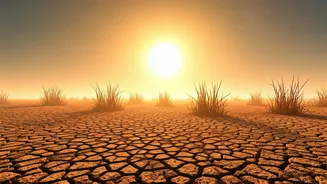
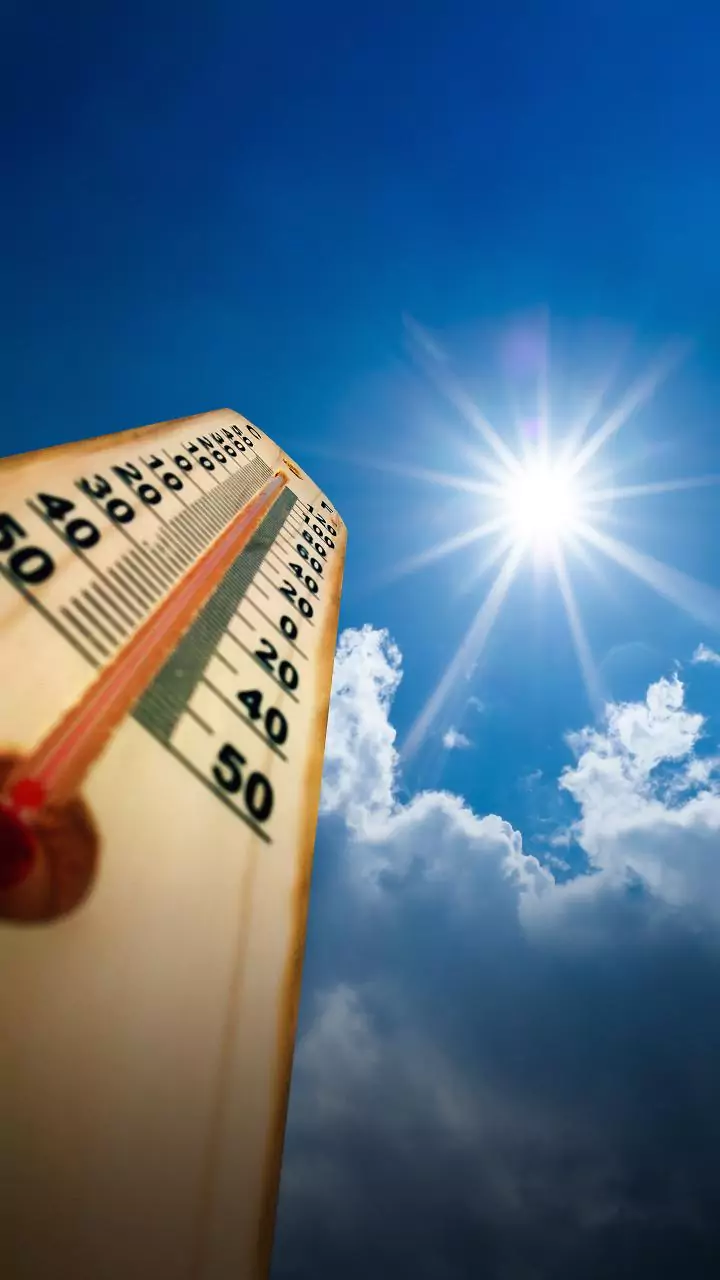
Delhi and its surrounding National Capital Region (NCR) are currently experiencing an unusually severe and premature heatwave, with temperatures reaching
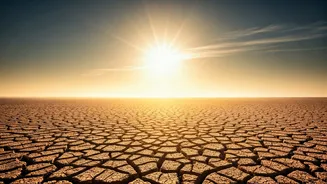
as high as 41-43°C. This intense heat, typically seen in May and June, has arrived much earlier, prompting an urgent alert from the India Meteorological Department (IMD) for the period of April 21 to April 24. The IMD has forecast that daytime temperatures will remain significantly above normal, potentially touching 43°C on April 22 and 23, and persisting through April 24. What's more concerning is that these sweltering conditions are not confined to the afternoon but are expected to linger into the evening hours, indicating a pervasive and relentless heat. This prolonged exposure to high temperatures poses a considerable health risk, particularly for vulnerable groups such as infants and the elderly, and necessitates immediate attention to personal safety and hydration.
Essential Hydration Strategies
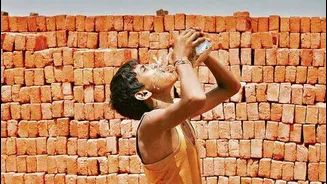
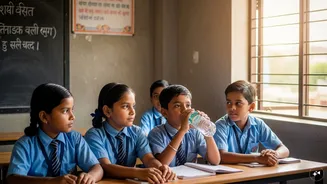
During this intense heatwave, maintaining proper hydration is paramount to preventing dehydration. Health authorities recommend a proactive approach, urging individuals to drink fluids regularly throughout the day, aiming for a minimum of 2-3 liters, rather than waiting until thirst sets in. Thirst is a lagging indicator of the body's fluid levels, meaning you're already becoming dehydrated by the time you feel thirsty. The focus should be on water as the primary fluid source. Supplementing with electrolyte-rich beverages like coconut water can be beneficial, especially if experiencing heavy sweating, as it helps replenish lost salts. Additionally, incorporating water-rich fruits and vegetables into your diet, such as watermelon, cucumbers, and oranges, significantly contributes to your daily fluid intake. It's crucial to avoid dehydrating drinks like those high in sugar or caffeine, which can exacerbate fluid loss.
Smart Hydration Tactics
To effectively combat dehydration during extreme heat, adopt strategic hydration practices. Prioritize drinking fluids consistently, even when you don't feel thirsty; consider setting hourly reminders on your phone to ensure regular sips. When you're losing a lot of fluid through sweat, replenishing electrolytes is key. Options include commercially available rehydration sachets, natural options like coconut water, or even homemade saline solutions if necessary. Make it a point to consume plenty of water-rich foods; fruits like strawberries and melons, and vegetables such as cucumbers and tomatoes, are excellent choices. To monitor your intake, try starting and ending your day with a glass of water, giving you a baseline for your daily consumption. This consistent and mindful approach to fluid intake will significantly bolster your body's resilience against the heat.
Heatwave Safety Precautions
Beyond hydration, adopting specific safety measures is vital to navigate the Delhi heatwave safely. Opt for clothing that is lightweight, loose-fitting, and made of natural fibers like cotton; this allows for better air circulation and facilitates sweat evaporation, helping to keep your body cool. It is advisable to limit strenuous outdoor activities between 10 AM and 4 PM, the peak hours of the sun's intensity. If you must be outdoors, seek shaded areas whenever possible. Maintaining a cool internal body temperature is also important; utilize air conditioning or fans, and consider taking cool showers or baths. Protecting your skin from sunburn is equally crucial, as sunburn can increase dehydration. Always use sunscreen, and cover your head with a hat or umbrella when exposed to direct sunlight.
What to Avoid
During periods of intense heat, certain consumables and behaviors can dangerously increase your risk of dehydration and heat-related illnesses. It is strongly recommended to avoid alcoholic beverages and caffeine-containing drinks, such as coffee, tea, and certain sodas. Both alcohol and caffeine are diuretics, meaning they promote increased fluid loss through urine, which can quickly lead to dehydration. Similarly, sugary beverages, including most soft drinks and fruit juices with added sugar, are not effective for hydration. While they may quench immediate thirst, they do not provide the necessary electrolytes or sufficient hydration to counteract the effects of the heat. Prioritize water and natural electrolyte sources instead.
Recognizing Dehydration Symptoms
Being aware of the signs of dehydration is critical for timely intervention. Common indicators include experiencing a headache, feeling dizzy or lightheaded, pronounced fatigue, a dry mouth, and producing dark-colored urine. These symptoms signal that your body is critically low on fluids. If you begin to feel dizzy or faint, it's imperative to move to a cooler environment immediately. While rehydrating with water or an electrolyte solution, be vigilant. If symptoms do not improve or worsen, seeking prompt medical attention is essential to prevent more severe heat-related conditions like heat exhaustion or heatstroke.
Weather Outlook
While the current heatwave is severe, there are indications of a slight reprieve towards the end of the current alert period. For April 25 and 26, the India Meteorological Department (IMD) forecasts a marginal drop in the maximum temperature, potentially settling around 41 degrees Celsius. Concurrently, the minimum temperature might slightly increase to approximately 25 degrees Celsius. The skies are expected to be partly cloudy during these days, though no specific adverse weather warnings are anticipated. Despite this slight moderation, it's important to note that significant relief from the heat is not expected in the immediate future, and continued caution regarding heat exposure and hydration remains necessary.