
Understanding Low Blood Pressure
Low blood pressure, or hypotension, often goes unnoticed, unlike its high-pressure counterpart. However, it significantly affects many individuals and
can be a symptom of underlying health issues concerning the heart, endocrine system, or even neurological disorders. When blood pressure drops too low, it impedes the essential flow of oxygen and vital nutrients to the brain, making it a condition that should not be disregarded. Recognizing the signs and understanding its potential causes is the first step toward effective management and maintaining good health.
Hydration and Diet Adjustments
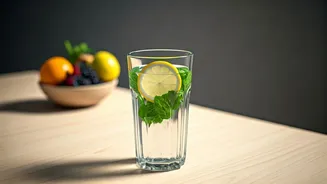
Maintaining adequate hydration is paramount for everyone, but especially for those experiencing low blood pressure. Dehydration can exacerbate symptoms and lead to feelings of weakness and dizziness. Ensuring you consume sufficient fluids throughout the day, particularly if you spend time outdoors or are prone to dehydration, is crucial. Consider options like nimbu paani (lemonade) to replenish electrolytes. Furthermore, while generally advised to limit salt, individuals with hypotension might benefit from a doctor-approved increase in sodium intake, as salt can help elevate blood pressure. Always consult your healthcare provider before making significant dietary changes, especially regarding salt consumption, to ensure it aligns with your overall health needs and doesn't pose risks.
Beneficial Home Remedies
Several natural ingredients can be incorporated into your routine to help manage low blood pressure. Consuming raw beetroot juice, approximately two cups daily, is a well-regarded home remedy known for its effectiveness. Another simple yet potentially helpful option is a cup of strong black coffee, which can provide a temporary boost. For those seeking a more traditional approach, a paste made from soaked almonds, consumed with lukewarm milk, is also suggested by some. These remedies, when used consistently and in moderation, can contribute to stabilizing blood pressure levels.
The Role of Exercise
Incorporating regular physical activity into your daily life can significantly contribute to better blood circulation and overall cardiovascular health, which in turn can help manage low blood pressure. Gentle forms of exercise, such as a daily walk or a swimming session, are beneficial for promoting blood flow throughout the body. Even moderate activity can help prevent the sluggishness often associated with hypotension. It's important to find an exercise routine that suits your fitness level and health condition, ensuring it complements, rather than exacerbates, your symptoms. Always consult with a healthcare professional before starting a new exercise regimen.
Recognizing Underlying Causes
It's essential to understand that low blood pressure can stem from various underlying issues. Pregnancy is a common period where blood pressure may naturally drop, though persistent or severe drops warrant medical attention. Certain heart conditions can impair the body's ability to circulate blood effectively, leading to hypotension. Moreover, deficiencies in essential nutrients like Vitamin B-12 and iron can result in anemia, a condition frequently linked to low blood pressure. Identifying and addressing these root causes with appropriate medical guidance is crucial for long-term management and overall health improvement, rather than solely relying on symptomatic relief.