





Silent Health Threats
A prevailing myth suggests that if you feel perfectly healthy, medical check-ups are unnecessary. However, many serious health conditions, such as early-stage
cancers, fatty liver disease, and hormonal imbalances, can develop without any discernible symptoms initially. People often mistakenly equate feeling well with being in good health, which is frequently not the case. Dr. Bimalpreet Mohan highlights that diagnostic imaging often reveals conditions incidentally, meaning by the time symptoms manifest, the disease may have already advanced significantly. Research from the Indian Journal of Medical Research indicates a substantial portion of the Indian population suffers from undetected issues like Vitamin D deficiency and low bone density, which, while silent, have long-term implications for overall well-being.
Imaging's Crucial Role
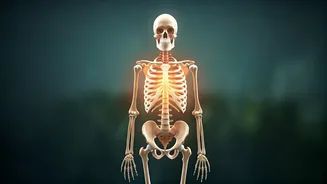
Many individuals avoid essential medical imaging like CT scans or X-rays due to a fear of radiation exposure. While excessive radiation is undoubtedly harmful, the limited doses used in necessary medical procedures are carefully controlled. The benefits derived from these scans in diagnosing conditions often far outweigh any minimal risks associated with the radiation. Dr. Bimalpreet Mohan emphasizes that the greater danger lies in delaying diagnosis. Medical imaging plays a pivotal role in identifying diseases at their nascent stages, long before they escalate into severe, hard-to-treat conditions. Therefore, when medically indicated, imaging is not only safe but indispensable for effective healthcare.
Irregular Periods Signal
A common belief is that irregular menstrual cycles are a normal occurrence, often attributed to stress, and can therefore be disregarded. However, irregularities in periods can serve as critical indicators of underlying health issues, such as Polycystic Ovary Syndrome (PCOS), thyroid disorders, or nutritional deficiencies. These signs should not be dismissed. Dr. Shobha Gupta, an IVF Specialist, stresses that irregular periods should be taken seriously as they frequently represent the initial manifestation of a hormonal imbalance within the body, requiring medical investigation rather than neglect.
Vitamin D's Wider Impact
The understanding that Vitamin D is primarily beneficial for bone health is incomplete. This vital nutrient plays a crucial role in numerous bodily functions, including maintaining muscle strength, supporting the immune system, and regulating hormones. A deficiency can lead to symptoms like fatigue, muscle weakness, delayed wound healing, and increased susceptibility to bone fractures. Recent research underscores Vitamin D's involvement not only in bone-related ailments but also in metabolic processes and inflammatory responses. Alarmingly, despite India's abundant sunshine, Vitamin D deficiency rates remain surprisingly high. Dr. Shobha Gupta notes its significant contribution to overall women's health, influencing hormonal balance and general well-being beyond just bone structure.
Natural Remedies Caution
There's a growing trend towards embracing all-natural or home-based remedies for health concerns. While many natural approaches can be beneficial, it is crucial to recognize that not all 'natural' treatments are inherently safe or effective for every ailment. Without a proper medical diagnosis, individuals may misidentify their condition, leading to the application of inappropriate remedies. For chronic pain or hormonal disturbances, relying solely on home-based solutions without professional medical advice could potentially lead to serious health complications and hinder effective treatment.
Combating Misinformation
The persistence of health myths stems from several factors. The vast and often unchecked health information available online makes it challenging to distinguish credible advice from unsubstantiated claims. Furthermore, social media platforms, with their engaging visual content and influencer-driven narratives, can oversimplify complex medical issues, presenting them in misleading ways that gain traction despite lacking scientific backing. Fear of medical treatments, associated costs, and the temptation for self-diagnosis also contribute to people clinging to comforting myths rather than seeking timely and accurate medical guidance, which is ultimately essential for preventing many health problems.