







Plan Meals Wisely
Before heading to the supermarket, dedicate a short period each week to meticulously plan your meals. Take stock of the ingredients you already possess
in your refrigerator and pantry. Based on this inventory and your planned dishes, create a precise shopping list. This proactive approach prevents impulse purchases of items you don't genuinely need, which often end up contributing to food waste and consequently, unnecessary expenditure over time. This strategic planning forms the bedrock of efficient grocery management and significant long-term savings.
Shop with Purpose
It's a common pitfall to shop for groceries while feeling hungry, leading to overbuying. Combat this by strictly adhering to your pre-made shopping list and avoiding such hungry excursions. For perishable items like fresh produce, dairy, and delicate meats, opt for smaller quantities. It's far more economical and environmentally sound to make more frequent, smaller trips than to discard food that spoils before it can be consumed. This mindful purchasing strategy ensures you acquire only what you can realistically use.
Master Food Storage
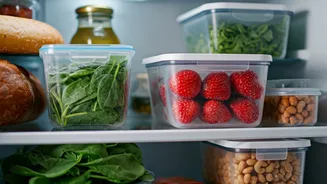
Proper storage techniques can dramatically extend the shelf life of your food. For instance, leafy greens can be kept fresh longer by storing them in the refrigerator with a paper towel to absorb excess moisture. Similarly, separating ripe fruits from unripe ones prevents the premature spoilage of the latter. By understanding and applying these specific storage methods for different food types, you can prevent spoilage, reduce the frequency of your shopping trips, and ensure that your purchased food remains viable for consumption for a longer duration.
Reimagine Leftovers
View leftover meals not as remnants destined for the bin, but as a valuable resource for future dishes. Yesterday's cooked rice can be transformed into a flavorful fried rice, while surplus vegetables can be incorporated into hearty soups, quick stir-fries, or even added to sandwiches. With a touch of culinary creativity, a single meal can effectively provide sustenance for two separate occasions. This practice not only minimizes waste but also saves precious time and effort in meal preparation.
Decode Dates
Navigating 'best before' and 'use by' dates can be a source of confusion and unnecessary waste. It's crucial to understand that many foods remain perfectly safe and palatable well past their printed expiration dates. Cultivate the habit of relying on your senses—sight and smell—to assess food quality rather than solely on the label. This discerning approach can prevent a significant amount of perfectly good food from being prematurely discarded.
Embrace Freezing
When faced with food that you anticipate won't be consumed before it spoils, freezing emerges as an excellent solution. Many items, including bread, pre-chopped vegetables, cooked dishes, and even fresh herbs, freeze remarkably well. The freezing process effectively locks in freshness, preserving the quality and extending the usable life of these food items. This technique provides you with a larger window of opportunity to enjoy your food, further preventing waste.
Compost with Care
While the goal is to eat as much as possible, some food items are inevitably unsuitable for consumption. For such materials, establishing a small compost bin is an environmentally responsible practice. Vegetable peels, eggshells, and other organic scraps can be added to the compost. This organic matter can then be repurposed to enrich your garden soil or nourish your houseplants, ensuring that even these byproducts contribute positively to your ecosystem rather than ending up in landfill.