





A Corridor of Opportunity
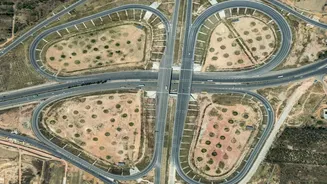
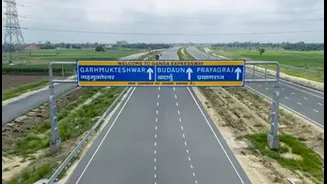
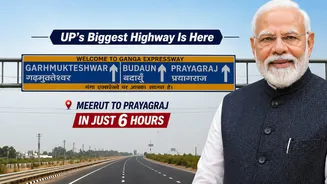
The inauguration of the 594-kilometer Ganga Expressway, linking Meerut to Prayagraj, signifies a pivotal moment for Uttar Pradesh. This ambitious project
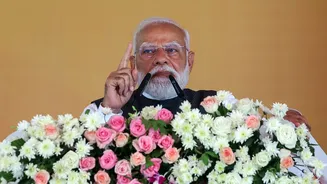
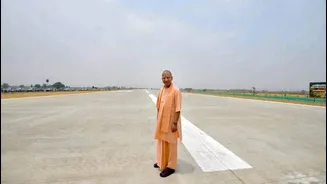
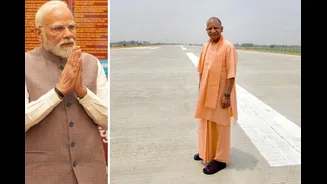
is engineered as a high-speed, six-lane corridor, with provisions for future expansion to eight lanes. Its primary objective is to drastically reduce travel times and enhance connectivity, thereby opening a plethora of new avenues for businesses, industries, and the real estate sector statewide. Prime Minister Narendra Modi heralded it as a crucial step in fortifying the state's infrastructure and stimulating economic vitality. Chief Minister Yogi Adityanath echoed this sentiment, portraying the expressway as a vital link connecting rural communities, agricultural producers, enterprises, and the youth, effectively bridging geographical divides and improving accessibility for all.
Real Estate Reawakening
The burgeoning Ganga Expressway has already begun to cast a significant influence on Uttar Pradesh's property market, with cities such as Prayagraj experiencing early indicators of heightened value. Industry leaders observe that as the expressway neared its operational phase, property values along the Prayagraj corridor started to firm up, a trend bolstered by the momentum of infrastructure development and Prayagraj's standing as a prominent spiritual city. Furthermore, a proposed state investment of Rs 5,000 crore for temple town development is anticipated to amplify tourism and upgrade civic amenities, subsequently driving up demand for real estate. Currently, residential property prices in Prayagraj average between Rs 7,900 and Rs 8,000 per square foot, with projections indicating a potential appreciation of 20–30% within the next three to five years as connectivity improvements come online.
Meerut's Growth Potential
Experts are optimistic about the prospect of substantial growth in Meerut and its surrounding regions, largely attributable to the expressway's enhanced connectivity to major urban centers. The Ganga Expressway is expected to dramatically improve regional connectivity, effectively halving travel duration between Meerut and Prayagraj and consequently boosting both personal mobility and the efficiency of logistics operations. In the immediate future, the demand is anticipated to be primarily rental-driven, with a gradual transition towards sustained growth in residential property sales. With current property prices in Meerut averaging Rs 6,500–Rs 6,700 per square foot, and considering its improved links to the Yamuna Expressway and Noida International Airport, these markets are strategically positioned for an appreciation of 30–40% over the coming years. Enhanced access to Jewar Airport is also expected to render these locations more appealing to investors, supporting development in areas like Greater Noida and Meerut.
Focus on Tier-II Cities
The expansive reach of the Ganga Expressway is also predicted to draw considerable attention towards smaller cities, which are increasingly emerging as key hubs for future growth. Tier-II markets are clearly shaping the next wave of residential development. The expressway is unlocking new corridors for development, with cities like Meerut expected to witness a surge in structured and early-stage real estate ventures. Presently, residential property prices in Meerut hover around Rs 6,400–Rs 6,600 per square foot. A medium-term price appreciation of 25–35% is anticipated, particularly in emerging micro-markets that are strategically aligned with the expressway's route. This development signifies a broader trend of decentralization and investment shifting towards these growing urban centers.
Logistics and Industry Boost
Beyond its impact on residential real estate, the Ganga Expressway is set to significantly bolster logistics and industrial activities throughout the region. This vital infrastructure project is poised to optimize supply chains by seamlessly integrating with other major transportation networks. These include the Eastern Dedicated Freight Corridor, National Waterway 1, the Yamuna Expressway, and the Purvanchal Expressway. Such multi-modal connectivity is crucial for reducing transit times and operational costs, thereby facilitating the smoother movement of goods for businesses. Consequently, cities such as Meerut, Kanpur, and Prayagraj are anticipated to attract a greater influx of warehousing and logistics companies, capitalizing on the improved accessibility and efficiency offered by the new expressway.
Wider Economic Impact
The Ganga Expressway's influence extends to supporting manufacturing sectors and Micro, Small, and Medium Enterprises (MSMEs), fostering job creation and promoting balanced economic development across Uttar Pradesh. Experts suggest it could also pave the way for a more decentralized work culture, positioning Tier-II cities as viable alternative business centers, distinct from the concentrated hubs in Delhi NCR. Concurrently, the enhanced connectivity is projected to fuel demand for a diverse range of housing options, including affordable homes, plotted developments, and integrated townships situated along the expressway's corridor. In essence, the Ganga Expressway transcends its role as a mere transportation artery; it is envisioned as a transformative force reshaping living, working, and investment patterns throughout Uttar Pradesh for years to come.