







Sizzling Costs, Empty Tanks
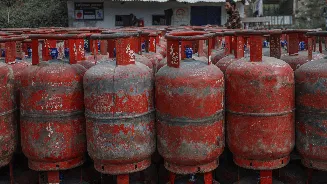
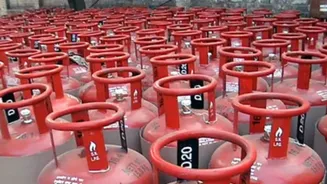
The price of Liquefied Petroleum Gas (LPG) has surged dramatically, creating immense pressure on restaurant budgets. This price hike, driven by global
market volatility and supply chain disruptions, is directly impacting the financial viability of many food establishments. Consequently, restaurateurs are grappling with tough decisions, ranging from absorbing the costs to increasing menu prices for consumers. Many are also exploring costly alternatives like switching to electricity or other fuel sources, which require significant initial investment and often involve complex upgrades to existing infrastructure, like increasing electricity capacity for induction cooktops or converting to wood-fired or diesel ovens.
Supply Lines Severed
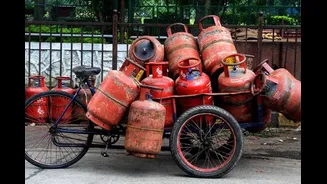
A critical government directive to prioritize domestic households amid geopolitical tensions has led to a halt in commercial LPG supplies to restaurants in major cities. This abrupt stoppage has sent shockwaves through the industry, with representatives warning that thousands of kitchens could cease operations if supplies are not restored promptly. Major urban centers like Bengaluru, Mumbai, Chennai, Delhi NCR, Pune, and Kolkata are already experiencing significant disruptions, and even smaller cities are bracing for shortages. The National Restaurant Association of India (NRAI) has flagged this as a catastrophic situation, with some restaurateurs already reporting they are days away from completely running out of gas.
Kitchens on Brink
The immediate operational consequences of the LPG shortage are severe for individual restaurateurs. For many, running out of gas means not only an inability to serve customers but also a failure to provide daily meals for their staff, who often live on-premises. This precarious situation forces establishments to drastically cut down their offerings, reducing menus and production volumes to conserve dwindling fuel supplies. Some restaurants are compelled to shut down specific cooking stations, such as dosa tawas, which require continuous heating, to manage resources. The impact is acutely felt in densely populated culinary hubs like Delhi NCR, where restaurant chains report having only a few days of supply left.
Price Hikes and Black Market
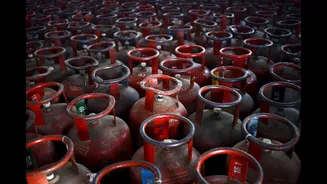
The scarcity of LPG has not only led to operational paralysis but has also triggered a sharp increase in commercial gas prices. In March alone, the cost of commercial LPG cylinders saw a substantial rise, with some private distributors in Bengaluru reporting an overnight jump of nearly Rs 500 per 17-kg cylinder. This price surge is exacerbating the financial strain on restaurants, pushing them closer to the edge. The situation has also fueled black market activities, though industry experts caution that even these informal channels will eventually dry up as overall supply dwindles, further intensifying the crisis for the food service sector.