







Understanding Glaucoma
Glaucoma, frequently referred to as a ‘silent vision thief,’ often lacks noticeable early symptoms, making early detection difficult. It's a condition
where the optic nerve, crucial for vision, becomes damaged, often due to increased pressure within the eye. This pressure damages the nerve fibers, leading to a gradual loss of peripheral vision. If left untreated, it can progress to complete blindness. People can be affected by different types of glaucoma, with the most common being primary open-angle glaucoma, where the drainage canals of the eye become blocked. In contrast, angle-closure glaucoma can develop suddenly and cause a sharp increase in eye pressure. Regular eye check-ups, especially for those with a family history of glaucoma, are crucial for early diagnosis and timely intervention. Because it is symptomless early on, it is important to be aware of the risk factors and get regular eye examinations.
Symptoms to Watch
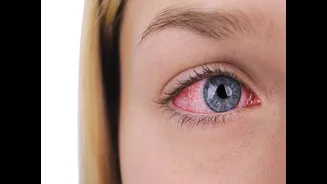
Because early-stage glaucoma often presents no symptoms, it is essential to be aware of the symptoms that can signal its presence. These signs can be subtle and easily overlooked. Peripheral vision loss, which initially affects the edges of your vision, is a primary indicator. You might find it hard to see things to the side or notice things when driving. Other symptoms include blurry vision, especially in dim lighting, or the appearance of halos around lights. Eye pain and redness can sometimes occur, though this is more common in acute angle-closure glaucoma. Regular eye examinations with a comprehensive assessment of the optic nerve are essential for detecting glaucoma early. If you experience these symptoms, consulting an ophthalmologist immediately is critical to prevent irreversible vision loss and protect your eye health.
Debunking Myths
Several misconceptions surround glaucoma, making it important to clarify common myths. One widespread belief is that glaucoma only affects older people. Although the risk increases with age, it can affect people of any age, including children. Another myth is that if you don't wear glasses, you can't have glaucoma. This is untrue; glaucoma can affect individuals regardless of their need for corrective lenses. Also, some believe that glaucoma is curable. While there is no cure, various treatments can effectively control its progression. Lastly, some believe that glaucoma symptoms are always obvious. As noted earlier, many cases develop without noticeable symptoms, which reinforces the need for regular check-ups. Addressing these misconceptions can lead to better understanding and more effective management of glaucoma.
Diagnosis and Testing
Diagnosing glaucoma involves a comprehensive eye examination performed by an ophthalmologist. The examination typically starts with measuring intraocular pressure (IOP) using a tonometer. While high IOP is a key risk factor, not everyone with high pressure has glaucoma, and some with normal pressure can develop the condition. The optic nerve is carefully examined to assess for any damage or changes. Specialized tests, such as visual field tests, map out the scope of your vision and detect any areas of vision loss. Optical coherence tomography (OCT) provides detailed images of the optic nerve fibers. Early diagnosis significantly impacts the treatment strategies and long-term vision outcomes. Regular check-ups and diagnostic testing are crucial to monitor any changes and help guide your ophthalmologist in creating the right care plan for you.
Treatment Options
The primary goal of glaucoma treatment is to lower intraocular pressure and prevent further optic nerve damage. Treatment options can range from eye drops to surgical interventions, depending on the stage and type of glaucoma. Medications, usually in the form of eye drops, are often the first line of defense. These drops work by either decreasing fluid production within the eye or increasing its drainage. Laser treatments, such as selective laser trabeculoplasty (SLT), can improve the drainage of fluid. Surgical options, like trabeculectomy, create a new drainage pathway for the fluid. Each treatment approach has potential benefits and side effects. Regular monitoring and adjusting treatments as needed are essential to effectively control the condition and preserve vision. With diligent monitoring and the right treatment, glaucoma can be managed effectively, preserving the patient’s vision and quality of life.