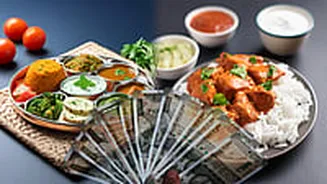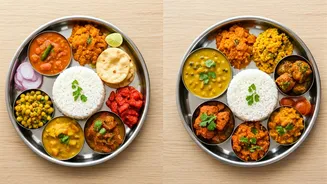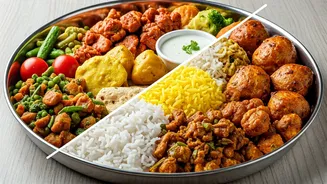








Thali Costs Shift
In March, a significant shift occurred in the cost of home-cooked meals, with non-vegetarian thalis experiencing a noticeable price decrease. Data reveals
that the cost of preparing a non-veg thali dipped by 1 percent year-on-year. This affordability boost is largely attributed to a reduction in the prices of key protein components such as chicken and eggs. Conversely, the expense associated with a vegetarian thali remained remarkably stable, showing no change in its year-on-year cost. This steadiness in vegetarian meal prices is a result of a complex interplay of vegetable prices, where decreases in some staples were balanced by increases in others, creating an overall neutral impact on the final thali cost.
Veggie Price Dynamics
The stability of vegetarian thali costs in March can be directly linked to fluctuating vegetable prices, with a notable surge in tomato prices acting as the primary counterforce to potential savings. Tomatoes, a staple in many Indian kitchens, saw a significant year-on-year increase of 33 percent, jumping from Rs 21 per kg in March 2025 to Rs 28 per kg in March 2026. This price hike was reportedly driven by delayed agricultural activities, specifically delayed transplantation in major producing regions like Karnataka and Andhra Pradesh, which impacted crop development, harvest yields, and the timely availability of tomatoes in the markets. However, this rise was partially offset by significant drops in other essential ingredients. Onion prices, for instance, plummeted by 25 percent year-on-year, a consequence of ample supply from overlapping late kharif and rabi harvests, coupled with reduced export demand, leading to distress sales due to the short shelf life of late kharif varieties. Potato prices also contributed to this balance, falling 13 percent year-on-year, influenced by weak demand from the hospitality sector and general stock liquidation.
Non-Veg Savings Driver
The downward trend in non-vegetarian thali costs was predominantly fueled by a decline in broiler prices. Broilers, which constitute approximately half of the total cost of a non-veg thali, saw an estimated year-on-year decrease of 2 percent. This reduction, when applied to such a significant portion of the meal's expense, had a substantial impact on the overall affordability. This decline occurred against a backdrop of relatively higher prices in the previous year, making the current year's drop even more impactful for consumers looking to prepare non-vegetarian dishes at home. The softening of chicken prices provided a welcome relief, making it cheaper for households to include meat in their regular meal planning.
Monthly Cost Fluctuations
Examining the costs on a month-on-month basis reveals a general decrease for both vegetarian and non-vegetarian thalis. In March, the cost of a vegetarian thali saw a 3 percent reduction, while non-vegetarian thalis became 2 percent cheaper compared to February. This monthly dip was influenced by a variety of ingredient price movements. Tomato and potato prices each eased by 6 percent from the previous month, while onion prices experienced a more substantial decrease of 14 percent. Pulse prices also declined by 6 percent, supported by higher opening stocks. Specifically, tur inventories for the July-June marketing year were estimated to be 20 percent higher, and Bengal gram stocks for the January-December marketing year were approximately 10 percent higher, collectively exerting downward pressure on pulse prices. However, certain costs continued to rise, tempering the overall savings. Global supply disruptions led to a 6 percent increase in vegetable oil prices, and a significant 14 percent rise in LPG cylinder prices limited the extent of the monthly cost relief for households.