






Khan's Weight Loss Journey
The journey of Aamir Khan's remarkable weight loss involved a significant shift in his dietary habits. He successfully shed 18 kg, a feat that has sparked
curiosity and interest in the approach he adopted. The focus of his diet centered on reducing inflammation within the body, which, as proponents suggest, can contribute to weight management and improved overall well-being. This shift highlighted the potential influence of dietary choices on physical health and body composition, leading many to question the specific foods and strategies employed during the process. The impact of diet on the star's physique serves as a compelling case study, prompting a deeper examination of the anti-inflammatory principles he embraced. The actor's transformation has opened up an important dialogue regarding the role of food in maintaining optimal health.
Understanding Inflammation Basics
Inflammation, often considered a natural bodily response, has a significant role to play in the context of health and diet. Inflammation acts as the body's defensive mechanism, but chronic inflammation can have negative consequences. When the body perceives a threat, such as an injury or infection, the immune system springs into action, triggering an inflammatory response. This often involves swelling, redness, and pain. Persistent, low-level inflammation, however, can be insidious, and is linked to numerous health issues like heart disease, diabetes, and obesity. Dietary factors play a crucial role in either promoting or mitigating inflammation. Consuming foods high in processed sugars, saturated fats, and trans fats can trigger and worsen the inflammatory response. Conversely, foods rich in antioxidants and healthy fats often have anti-inflammatory effects. Therefore, understanding the delicate balance between inflammation and diet is essential for maintaining and boosting overall health and wellness.
Core Diet Components
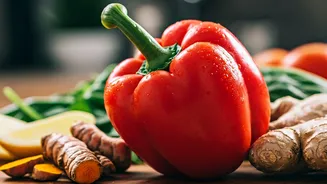
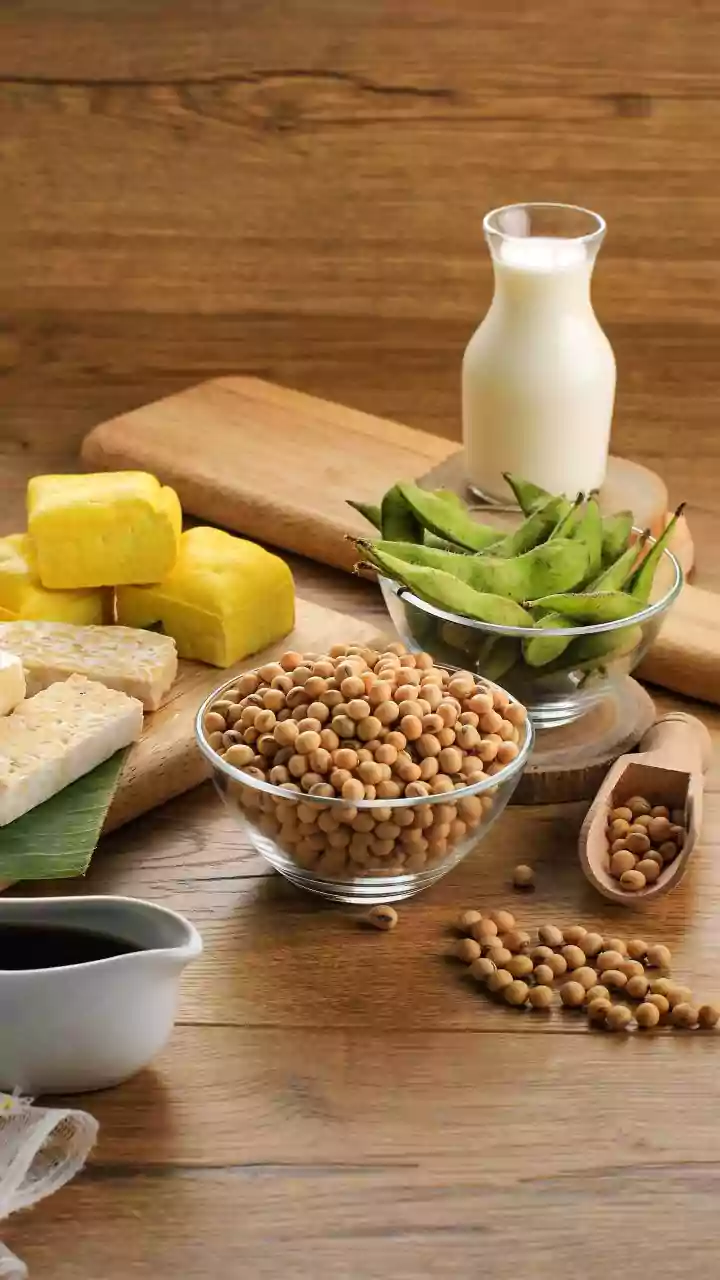
Aamir Khan's dietary approach likely incorporated a range of foods designed to reduce inflammation within his body. These foods typically included a variety of fresh fruits and vegetables, particularly those high in antioxidants. Berries, leafy greens, and cruciferous vegetables like broccoli are good examples. Another vital element is the inclusion of healthy fats, such as those found in avocados, nuts, and olive oil, which can support the reduction of inflammation. Moreover, the diet probably emphasized lean proteins from sources like fish, chicken, and legumes. These foods are generally associated with a lower inflammatory potential. The aim is to eliminate or restrict pro-inflammatory foods such as processed foods, sugary drinks, and refined carbohydrates, which can trigger an inflammatory response. The diet would likely require careful planning to ensure the necessary nutrients are being ingested and that any particular individual’s health needs are being met.
Potential Health Benefits
An anti-inflammatory diet offers numerous potential advantages beyond weight loss. By mitigating chronic inflammation, this approach can support overall health and potentially lower the risk of various diseases. For instance, reduced inflammation has been linked to improved heart health, with the diet's focus on healthy fats and reduced processed foods. It can help regulate blood sugar levels, reducing the risk of developing type 2 diabetes. Additionally, some evidence suggests that an anti-inflammatory diet may benefit joint health, easing symptoms of conditions such as arthritis. The focus on nutrient-rich foods can promote better overall energy levels and improved well-being. Though it is not a cure-all, it offers a holistic approach to wellness and a path to enhancing one's overall quality of life.
Is It Suitable for You?
Before adopting any new diet, including an anti-inflammatory one, it is wise to consult a healthcare professional. This is particularly crucial for individuals with existing health conditions or those taking medications. A doctor or registered dietitian can assess your specific health needs and create a personalized plan. An anti-inflammatory diet is not a quick fix; it requires careful planning, consistency, and a sustainable approach. It entails a significant shift in eating habits, with a focus on whole, unprocessed foods. It may require a learning period and adaptation as you introduce new recipes and food preparation techniques. Though it holds promise for weight loss and improved health, it may not be suitable for everyone. It is essential to approach any diet with realistic expectations and to listen to your body's signals, ensuring that your nutritional needs are met.