
Maximize Natural Light
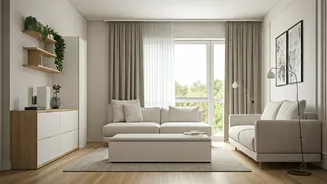
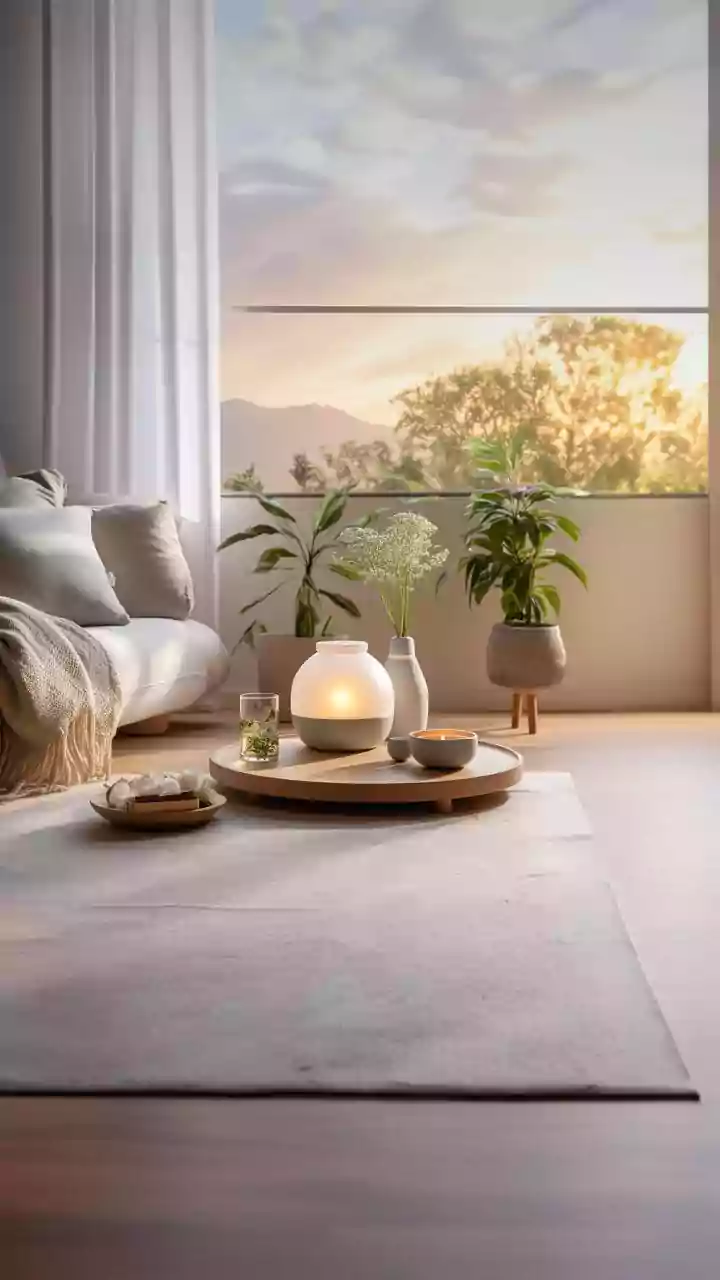
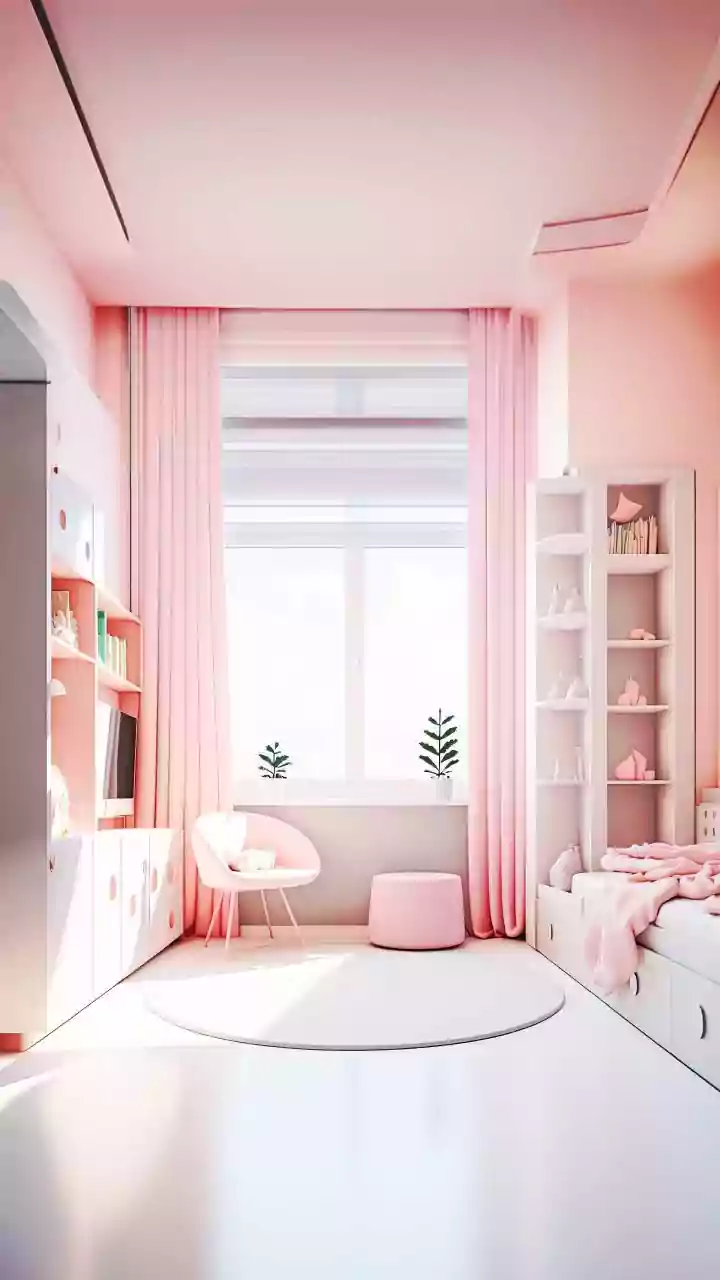
Harnessing the power of natural light is paramount when aiming to expand the perceived size of a room. Keep window coverings minimal and light, perhaps
employing sheer linen curtains or unobtrusive roller shades that allow sunlight to flood in freely. The strategic use of color blocking, as seen in some designs, can also create a sense of depth and dimension by visually separating planes like the ceiling from the walls, offering both foreground and background elements. Furthermore, prioritizing multi-functional furniture, such as custom-designed beds with integrated storage solutions or desks that fold away, is crucial for maximizing usability and preserving precious floor space in tight quarters.
Strategic Mirror Placement
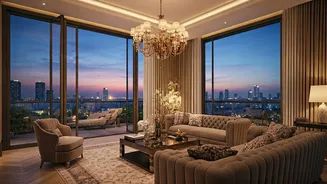
Incorporating a statement mirror is a remarkably effective design tactic, serving a dual purpose of showcasing personal style and significantly enhancing the sense of space. Mirrors possess the innate ability to reflect light, thereby creating a visual illusion of a larger, more expansive area. Beyond their optical benefits, consider the placement of your curtains. Hanging them as close to the ceiling as possible draws the eye upward, creating an illusion of greater height and making the room feel airier and more voluminous. This simple adjustment can dramatically alter the perception of a room's scale.
The Magic of Paint
Paint is a powerful tool, capable of dramatically influencing how a space is perceived. When dealing with narrow, dimly lit areas, specific paint choices can make them feel both longer and taller. Counterintuitively, dark colors, particularly black, can play tricks on the eye. Instead of making a room feel smaller, a black-painted surface can recede, causing the space to feel like it extends further and the ceiling appears higher than it actually is. This is because the dark color absorbs light and blends into the background, minimizing the perception of boundaries and expanding the perceived volume.
Embrace Built-In Solutions
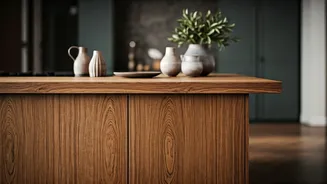
Much like raising curtains to the ceiling or painting upwards, integrating built-in cabinetry is an excellent method for increasing perceived height and maximizing usable space. These fixtures not only offer substantial storage capacity but also contribute positively to a room's architectural character, adding visual interest and a polished look. Designers can get highly creative with the dimensions, forms, and even the backgrounds of these built-ins, perhaps using textured wallpaper or bold patterns to enhance their appeal. Beyond aesthetics, built-ins are incredibly practical, serving perfectly as integrated desks for books and paperwork, thereby consolidating functionality and freeing up floor area.
Bold Dark Hues
Surprisingly, deep and moody color palettes can be just as effective at creating a sense of spaciousness as light and airy schemes. Instead of fighting a small space's inherent coziness, designers can lean into it. For instance, a kitchen that initially felt cramped and poorly lit can be transformed by embracing rich, dark tones. Midnight blue cabinets paired with matching tiles, as an example, can accentuate the natural warmth of wood elements and create a luxurious, expansive feel. The depth of these colors can paradoxically make the room feel grander and more inviting, rather than smaller.
Smart Furniture Choices
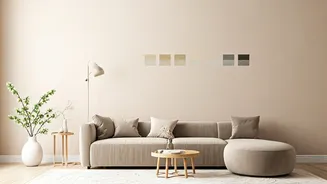
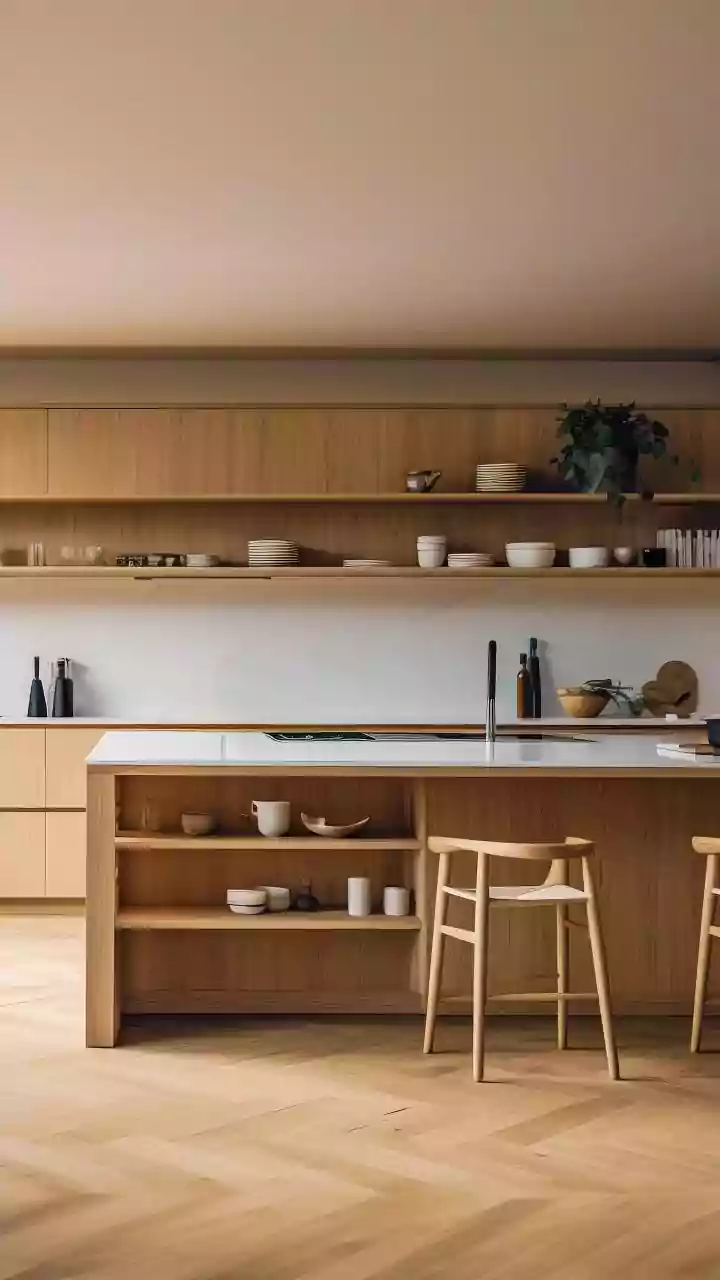
When designing smaller living areas, such as an open-plan living room and kitchen, mindful furniture selection is key. Keeping large surfaces like walls and countertops in white or light colors helps to maintain an open and airy atmosphere. Opting for space-saving furnishings is also crucial. For example, a narrow coffee table provides ample seating and walking space without encroaching on the room's flow or making it feel cluttered. This approach ensures that the living area remains functional and comfortable, without compromising the perception of openness.
Declutter Walls
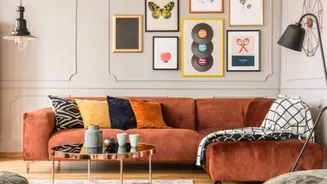
In smaller rooms, it is vital to avoid over-saturation with decorative items. Leaving some counter spaces intentionally clear and maintaining blank wall areas can significantly contribute to a sense of openness. Instead of filling every available nook, focus on using large, impactful pieces of furniture as central elements. If smaller furniture is chosen, it can sometimes lead to awkward, undefined spaces that disrupt the room's overall flow. Prioritizing a few key, larger pieces can create a more cohesive and visually spacious arrangement.
Define With Zones
Thoughtful zoning within a single room can powerfully enhance its perceived size and utility. By strategically dividing a space into distinct functional areas using furniture placement, you can create the illusion of multiple rooms within one. This broken floor plan approach makes the space feel more versatile and larger than its actual dimensions. For instance, a toy hub with an open back can effectively delineate a children's play area from the main living space, all while maintaining light flow and visual continuity. This method ensures that each zone feels deliberate and purposeful.
Go Big With Art
Leveraging a large wall can yield impressive results in enhancing the sense of spaciousness within a small room. A single, large-scale piece of art strategically placed can infuse the entire space with its presence and visual impact. This bold artistic choice can anchor the room, giving it a distinct sense of grandeur and spaciousness that belies its actual footprint. An impactful artwork on a substantial wall acts as a focal point, drawing the eye and creating an expansive feel that permeates the entire environment.