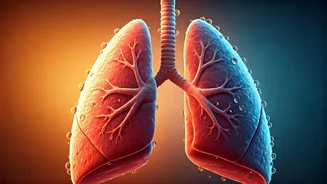








Heat's Impact on Lungs
The oppressive Indian summer, especially during heatwaves, significantly stresses the respiratory system. Beyond just raising body temperature, extreme
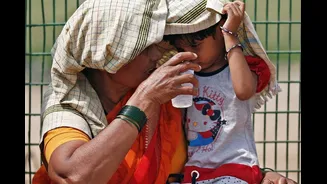
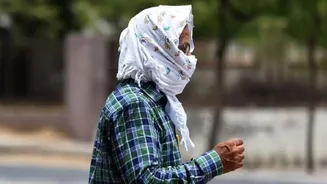
heat forces the body to work harder to cool itself through increased sweating and blood circulation. This heightened effort can lead to faster breathing and a higher heart rate, exacerbating breathlessness and fatigue, particularly for individuals with pre-existing respiratory conditions like asthma, COPD, or allergies. The problem is compounded by humidity, which makes the air feel heavier and can trap pollutants, smoke, and allergens closer to the ground. Furthermore, summer heat often elevates ozone and smog levels, especially in urban environments. These airborne irritants can trigger coughing fits, wheezing, a feeling of chest tightness, and even severe asthma attacks. The combination of heat and humidity creates a challenging environment, making every breath feel more arduous and exhausting for those already struggling with lung health issues.
Who's Most At Risk
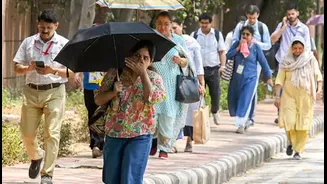
While soaring temperatures can affect anyone's well-being, certain demographics are disproportionately vulnerable to respiratory complications during heatwaves. Individuals diagnosed with conditions such as asthma or Chronic Obstructive Pulmonary Disease (COPD) face a heightened risk due to their compromised lung function. Elderly individuals and very young children are also more susceptible because their thermoregulation systems may not be as robust. Smokers are another group at elevated risk, as smoking damages lung tissue and impairs its ability to cope with environmental stressors. Additionally, people who work outdoors regularly, such as construction workers or agricultural laborers, experience prolonged exposure to high temperatures and often poorer air quality. Factors like weakened immune systems, pre-existing lung ailments, and consistent exposure to polluted air collectively increase the likelihood of experiencing breathing difficulties and other heat-related health problems.
Warning Signs To Watch
Recognizing severe symptoms that necessitate immediate medical attention is critical during heatwaves. A pulmonologist highlights several warning signs that should never be ignored. These include a bluish tint to the lips, which can indicate a lack of oxygen, as well as confusion or disorientation. Dizziness and an inability to speak clearly due to breathlessness are also serious indicators of respiratory distress. Such symptoms suggest that the lungs are severely struggling to function, and prompt medical intervention is required to prevent further deterioration and potential life-threatening consequences. It is crucial for individuals, especially those with underlying respiratory issues, to be vigilant about these signs and seek emergency care without delay.
Simple Lung Protectors
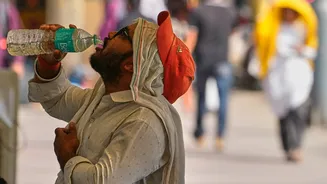
To safeguard your lungs during the hot and humid summer months, several practical measures can be adopted. It's advisable to remain indoors, particularly between 11 AM and 4 PM, when the sun's intensity and pollution levels are typically at their peak. Regularly checking the Air Quality Index (AQI) is also recommended; if pollution levels are poor, outdoor activities should be significantly reduced. Maintaining a cool indoor environment is essential, which can be achieved using fans, air conditioners, or dehumidifiers, and by keeping curtains closed during the day to block sunlight. It's also vital to avoid smoking indoors and exposure to strong chemical fumes. Staying well-hydrated by drinking ample water and fluids throughout the day is crucial, as dehydration can thicken mucus, making breathing more difficult. For those who exercise, strenuous outdoor workouts should be avoided; opt for early morning or evening sessions and take frequent breaks. Crucially, individuals with asthma or COPD must continue their prescribed medications, including inhalers, and always carry rescue medication with them.