





Summer Swelling Explained
During warmer months, our bodies react to heat by triggering hormonal responses, primarily aldosterone. This hormone encourages the kidneys to conserve
sodium, which in turn helps maintain blood volume and prevents severe dehydration. From a physiological standpoint, survival and maintaining essential bodily functions take precedence over aesthetics. Consequently, even though we sweat more and lose water, our bodies paradoxically hold onto more water to compensate. This leads to common summer complaints like swollen fingers, a puffy face, and a general feeling of bloat. It's a sophisticated survival mechanism designed to keep us functional in challenging temperatures, but it can be frustrating when you're aiming for a leaner look.
Hydration Chemistry, Not Volume
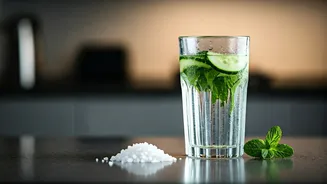
While increasing water intake is a natural instinct in summer, simply drinking more isn't the whole solution. A critical factor often overlooked is electrolyte balance, particularly sodium. Without adequate sodium and other electrolytes, the water we consume struggles to move effectively into our cells. This inefficiency can leave us feeling fatigued, dehydrated despite drinking, and ironically, still puffy. The key isn't just the quantity of water, but ensuring it can be properly utilized by the body. Therefore, don't shy away from salt if you're experiencing puffiness; your body is likely signaling a need for it to function optimally and manage fluid balance efficiently.
Smart Hydration Strategies
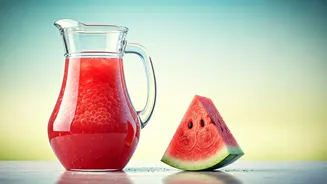
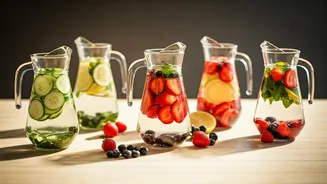
To effectively combat summer puffiness and stay optimally hydrated, focus on a multi-faceted approach. Aim to drink sufficient water, typically around 8-10 glasses daily, increasing this if you're active or exposed to high temperatures. Simultaneously, incorporate water-rich foods like watermelon, cucumbers, and berries to boost hydration and nutrient intake. It's also wise to moderate dehydrating beverages such as coffee, tea, and alcohol. Crucially, replenish lost electrolytes through natural sources like coconut water, buttermilk, or fruits like bananas, and be mindful of limiting processed foods high in salt and sugar. Engaging in moderate exercise during cooler parts of the day and using cool showers can also aid in reducing body temperature and fluid retention.
Balancing Body Fluids
The overarching goal during summer is to maintain a healthy fluid balance, which goes beyond mere volume. This involves intelligently replacing lost electrolytes and supporting overall circulation. Over-diluting your body's sodium levels by drinking excessive plain water can hinder cellular hydration and lead to fatigue and swelling. Hydration in summer is fundamentally a chemical process, not just about the quantity of liquid ingested. By understanding this, you can adopt strategies that support your body's natural processes, ensuring that the water you drink is effectively absorbed and utilized, helping to alleviate puffiness and improve overall well-being throughout the hot season.