




Principle Over Arithmetic
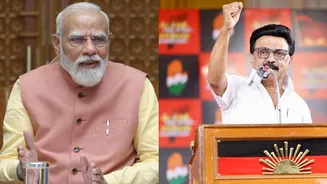
Tamil Nadu Chief Minister M.K. Stalin argues that India's foundation rests on trust and a shared vision, not mere numbers. He contends that states prioritizing
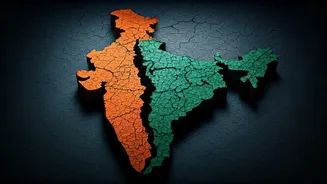
population control, education, and healthcare, like Tamil Nadu, did so for national good, not to forfeit their representation. The current delimitation approach, he fears, is a move to restructure power for the advantage of a single party, potentially diminishing the voices of states that have invested in development. This goes beyond a simple demographic adjustment; it's about preserving the weight of every vote in a parliamentary democracy where even a slim majority can sway national outcomes. Failing to account for development while rewarding population growth creates a new form of injustice, undermining cooperative federalism and the distinct contributions of states like Tamil Nadu, which, as Perarignar Anna stated, offers social justice, rationalism, state autonomy, and inclusive governance.
Justice Delayed
The linkage of women's reservation to the uncertain processes of delimitation and delayed census data is a point of major contention for Chief Minister Stalin. He asserts that this connection risks indefinitely postponing a crucial reform for gender equality, despite broad consensus. This intertwining also alters the very nature of the women's reservation initiative, potentially using a social justice measure as a cover for a political redistribution of power. Citing Tamil Nadu's successful implementation of 50% reservation for women in local bodies, including mayoral positions in major cities, Stalin emphasizes that the issue is one of political will, not feasibility. He questions why 33% reservation could not be implemented within the existing parliamentary seats in 2024, especially when advocated by the DMK and other opposition parties. The haste and confusion surrounding its connection to delimitation raise significant doubts about the government's intentions, highlighting the need to address urgent matters like women's rights separately from complex exercises like delimitation.
Echoes of History
CM Stalin invoked the historical agitations of the 1950s and 1960s not as a threat, but as a reminder of Tamil Nadu's tradition of democratic expression to shape India into a Union that respects diversity and federal balance. These movements, he clarified, were not anti-India but were efforts to ensure a more equitable and federal structure. He stressed that when institutions falter and dialogue becomes insincere, public expression deepens and finds strength. This tradition in Tamil Nadu is described as peaceful, principled, and rooted in constitutional values. Stalin's reminder aims for course correction, emphasizing that if this plea for fairness is ignored, the responsibility for the consequences will lie with those who chose not to listen. This historical context underscores the DMK's long-standing commitment to principles of fairness and federalism within the Indian Union, framing the current protest as a continuation of this principled stance.
A Historic Juncture
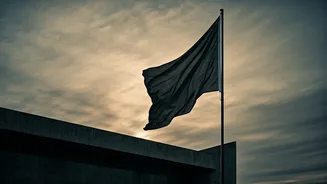
The current delimitation discourse is framed by CM Stalin as a watershed moment for Tamil Nadu and the entire southern region of India, impacting generations to come. The core question, he posits, is the standing of Tamils and other South Indians in the nation's power corridors. This goes beyond electoral politics, aiming to safeguard the political voice, relevance, and dignity of millions within the Indian Union. His initiative to convene a conference of Chief Ministers from seven states to discuss fair delimitation was driven by principle, not politics. Stalin warns that inaction and a failure to assert rights at this critical juncture could lead to a permanent imbalance. The DMK's strong stance, marked by statewide black flag protests and MP Kanimozhi Karunanidhi's declaration of 'no compromise,' highlights the seriousness of the issue. They advocate for delimitation based on the most recent census data, upholding the principle of 'one person, one vote,' and express concerns that the exercise could be politically manipulated to favor specific regions or parties.