
Putin's India Visit
Vladimir Putin's visit to India served as the backdrop for a series of important agreements between the two nations. These agreements spanned various sectors,
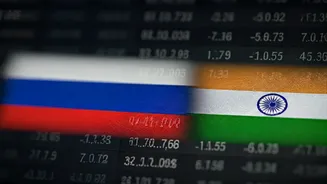
signaling a strengthening of economic ties. Observers and market analysts closely watched the visit, aiming to decipher the potential implications for the Indian economy and, consequently, the stock market. The details of these agreements are critical for understanding the anticipated responses from investors and the broader market trends that may follow. Understanding the specifics of the partnerships formed during the visit is crucial, as they will define the possible future of India's economic relations with Russia.
Economic Impact Examined
The India-Russia agreements are expected to bring about several economic changes. These changes will occur across sectors such as trade, energy, and defense. A main area of focus is the potential to mitigate the impact of US tariffs, which have affected certain Indian exports. The agreements may offer alternative trade routes or partnerships that reduce reliance on US markets, potentially shielding the Indian economy from such external pressures. This diversification could contribute to economic resilience and stability. Moreover, collaborative projects in areas like infrastructure and technology might further enhance the economic relationship, fostering long-term growth. The specific terms of these agreements are thus of utmost importance.
Market Reactions Anticipated
The Indian stock market's reaction to the India-Russia agreements will depend on investor perceptions of the agreements. The market's anticipation of changes can vary depending on the market segment and investor focus. Positive sentiment driven by favorable deal terms or potential for growth could trigger a bullish response, leading to increased investment and higher stock valuations. Conversely, any uncertainties, such as concerns regarding implementation or potential geopolitical risks, could lead to caution, causing some investors to reduce their exposure to specific sectors or the overall market. Market analysts will keep a close watch on how the details and terms of the agreements are received by investors and the effects on market behavior.
Mitigating US Tariff Pain
One of the key considerations for these agreements is their role in mitigating the impact of US tariffs. The trade agreements may offer India alternative markets for its exports, thereby reducing dependence on the US and lessening the direct effect of tariffs. For example, expanded trade corridors with Russia could lower the risks associated with trade disputes. The diversification of trade partners can boost the Indian economy's ability to resist external financial impacts. This strategy also opens opportunities for increased investment and new collaborative ventures with Russia and other partners. These steps together may establish more resilience in the face of future global economic challenges.
Week's Market Triggers
This week's triggers for the Indian stock market extend beyond the India-Russia agreements. Key economic indicators, such as the CPI (Consumer Price Index) print, are key. The US Federal Reserve's meeting will also be closely watched for any policy changes that may affect global markets. These factors collectively will provide a multifaceted environment for market activities. The reactions of investors and market movements will be influenced by the combined forces of all these factors. The interplay between these triggers makes the weekly market analysis and market predictions more complicated but also makes it interesting for those in financial markets.