






Nourishing Your Prostate
What you consume daily directly influences your body's inflammatory responses, hormonal equilibrium, and the vitality of your cells. Embracing a prostate-supportive
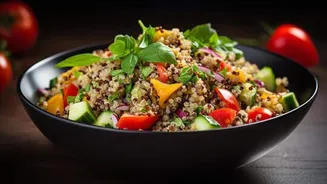
diet isn't about rigid restrictions; it's about making smarter, consistent food selections. Tomatoes, rich in lycopene, an antioxidant known for its benefits, are particularly noteworthy, with cooked versions potentially offering better absorption of this compound. Incorporating healthy fats, like omega-3s found in fish, nuts, and seeds, is crucial, serving a dual purpose for both heart and prostate health. Furthermore, cruciferous vegetables such as broccoli and kale contribute essential nutrients that aid the body's natural detoxification processes and help shield cells from damage. Even beverages like green tea, packed with beneficial plant compounds, and moderately consumed soy products, like tofu, are linked to positive prostate health outcomes observed in some populations. The overarching goal is a balanced approach, prioritizing plant-based foods and minimizing heavily processed meals.
The Power of Movement
Regular physical activity plays a surprisingly significant role in maintaining prostate health. Exercise aids in regulating hormones, diminishing inflammation, and bolstering the immune system, all critical factors in lowering long-term health risks. Aiming for approximately 150 minutes of moderate activity weekly—such as brisk walking, cycling, or swimming—is a practical goal. For those preferring higher intensity, 75 minutes of vigorous exercise like running or interval training can be equally beneficial. Complementing aerobic activity with strength training is also valuable, as maintaining muscle mass supports metabolism and weight management. Even straightforward routines utilizing body weight or light resistance can yield positive results when practiced consistently. Achieving and maintaining a healthy weight is paramount, as excess body fat, particularly around the midsection, has been associated with an increased risk of more aggressive prostate conditions. Sustainable, gradual adjustments to diet and activity levels tend to be more effective than fleeting, restrictive diets.
Wise Habits for Life
Certain daily habits, though seemingly minor, can subtly escalate health risks over time. Quitting smoking stands out as a critical step. While the direct causal link to prostate cancer development is still under thorough investigation, existing evidence suggests that smoking can exacerbate the chances of cancer recurrence or spread post-diagnosis. The way food is prepared also carries weight; high-heat cooking methods like grilling or frying meats can generate compounds that may pose harm with frequent consumption. Opting for gentler methods such as baking, steaming, or stewing not only reduces this exposure but also ensures meals remain enjoyable. Additionally, mindful consumption of alcohol is advised, as excessive intake can contribute to broader long-term health issues that indirectly impact overall cancer risk.
Screening's Importance
A significant challenge with prostate conditions is that their nascent stages often manifest without any discernible symptoms. This underscores the critical importance of regular screening and open dialogue with healthcare professionals, particularly as men age. For individuals at an average risk level, discussions regarding screening typically commence around the age of 50. However, those with elevated risk factors, such as a personal or family history of prostate cancer, or men of African or Caribbean descent, are often advised to initiate these conversations earlier, potentially around 45. Simple diagnostic tools, including Prostate-Specific Antigen (PSA) blood tests and clinical examinations, are invaluable for detecting subtle changes in their early phases, when treatment interventions are generally most effective.
Cultivating Long-Term Health
It's crucial to understand that no single food, supplement, or habit can guarantee complete prevention. Prostate health is cultivated through sustained patterns of behavior rather than relying on quick fixes. The most effective strategy involves integrating a balanced diet, consistent physical activity, diligent weight management, and regular medical check-ups. The small, consistent choices made day after day, month after month, and year after year, lay a robust foundation for overall health. Rather than fixating on what to avoid, it's more constructive to focus on what to incorporate more of: increasing vegetable intake, committing to more movement, and cultivating a greater awareness of your body's signals. Over time, these cumulative habits synergize to promote not only prostate well-being but also a more vibrant state of overall health.