








Next-Gen Satellite Power
SpaceX's vision for Starlink Mobile is set to transcend its current role as a niche solution for remote areas. The company's regulatory filing indicates
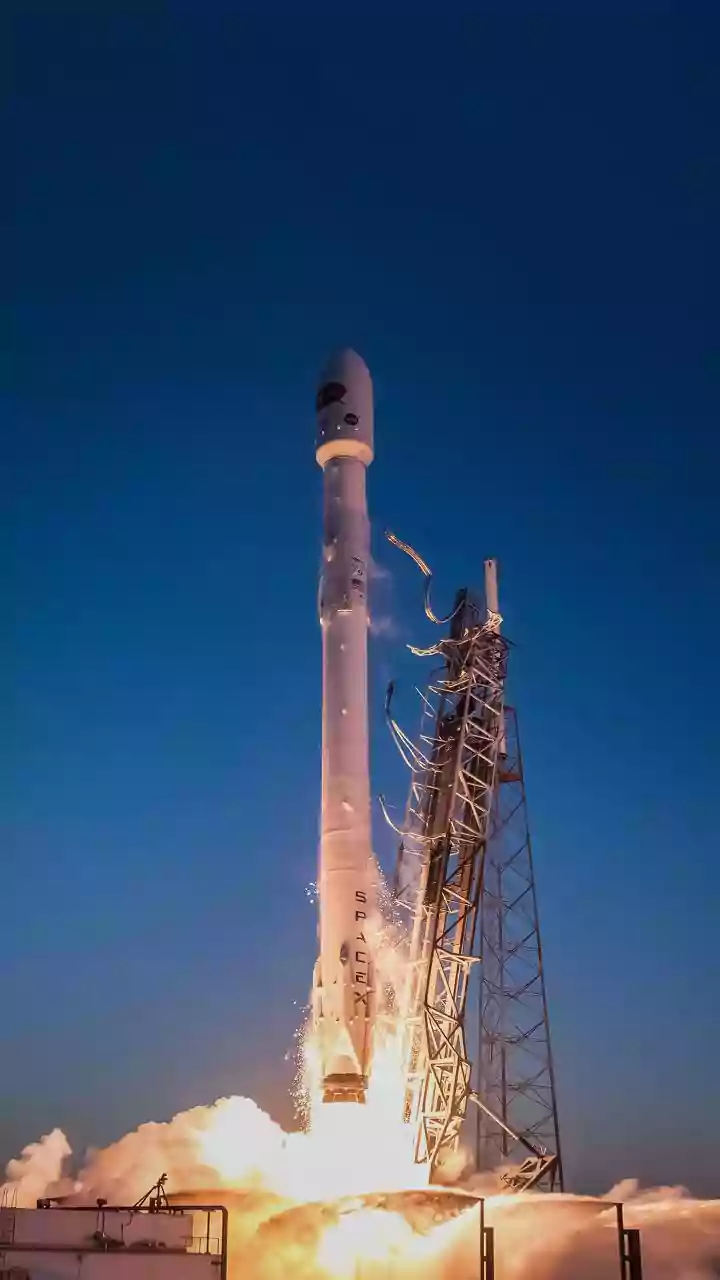
a significant leap forward, with plans to deploy advanced V2 Mobile satellites, capable of launching via Starship, starting in 2027. These larger satellites are crucial for enabling more comprehensive services, including high-speed broadband data and robust Internet of Things (IoT) connectivity, directly to standard smartphones. This upgrade is designed to make Starlink Mobile's performance comparable to terrestrial mobile networks, even in densely populated urban environments. The current iteration of Starlink Mobile, utilizing V1 Mobile satellites (around 650 as of March 31), already supports messaging and basic voice/data services for approximately 7.4 million monthly unique devices. However, the forthcoming V2 Mobile satellites, with one Starship launch potentially carrying up to 50 units, represent a substantial increase in capability and capacity, paving the way for the intended expansion into a global wireless competitor.
Strategic Spectrum and Partnerships
The ambitious expansion of Starlink Mobile is intrinsically linked to strategic spectrum acquisition and robust partnerships with existing mobile network operators (MNOs). SpaceX is actively acquiring spectrum from EchoStar, a move designed to significantly bolster its service capabilities. While current Starlink Mobile services rely on spectrum leased from MNO partners like T-Mobile to fill coverage gaps in the U.S., the company aims for more direct control and enhanced performance. SpaceX views the total addressable market for its mobile service to be a substantial $740 billion. Despite this immense potential, the company prudently estimates a global average revenue per user (ARPU) of $8 per month, with variations from $18 in high-income markets to $2 in areas with lower consumer spending power. The success of Starlink Mobile globally hinges on maintaining these vital telco partnerships and securing necessary country-by-country approvals, highlighting the collaborative yet complex landscape of international telecommunications.
Urban Competition Ahead
SpaceX's direct-to-smartphone ambitions for Starlink Mobile extend far beyond rural coverage, explicitly targeting competition with terrestrial mobile networks in urban centers. The company's filing highlights a future where Starlink Mobile offers a 'preferred connectivity experience to our customers no matter where they are located,' including suburban and urban settings. This contrasts with the current reality where satellite connectivity often serves as a supplemental, premium feature rather than a primary service. For instance, T-Mobile's satellite service is an add-on to premium plans or a $10 monthly option. SpaceX's direct engagement with MNOs, including exploring joint ventures with rivals like AT&T and Verizon to pool spectrum and standardize services, underscores the magnitude of its aspirations. However, the path to seamless urban integration isn't without hurdles; achieving full 5G NR-NTN compliance and optimal performance may require hardware and software modifications from handset manufacturers, a process that SpaceX acknowledges may not occur on its preferred timeline, or at all.
Financial Projections and Growth
The financial outlook for Starlink Mobile, as detailed in SpaceX's IPO filing, paints a picture of significant growth potential. The company's 'mobile connectivity business' reportedly generated $632 million last year, stemming from partnerships with over 30 MNOs across six continents. This figure is a component of the broader connectivity segment, which recorded $11.4 billion in revenue in 2025, encompassing services from its extensive constellation of approximately 9,600 Starlink broadband and mobile satellites. SpaceX anticipates Starlink Mobile becoming an increasingly vital contributor to this revenue as its next-generation satellites enhance service capabilities. Looking ahead, the company sees a total addressable market of $740 billion for Starlink Mobile, a figure comparable to the $870 billion market opportunity identified for Starlink Broadband. This aggressive growth strategy is underpinned by the development and deployment of its V2 Mobile satellites, which are crucial for realizing the full potential of its direct-to-smartphone service.