





Metal's Emotional Resonance
The allure of jewelry often transcends the metal itself, touching upon personal comfort and emotional connection. Some individuals gravitate towards gold
for its sense of familiarity and its deep-seated emotional significance, often tied to heritage and tradition. Others find themselves drawn to platinum's modern, understated elegance, appreciating its fresh appeal. Ultimately, the 'better' choice isn't about one metal being superior, but rather about how wearing the piece makes you feel – that intrinsic sense of 'rightness' and personal satisfaction. In India, jewelry carries a weight beyond mere aesthetics, deeply interwoven with cultural heritage, family bonds, and even serving as a valuable investment. While gold remains the dominant preference for bridal trousseaus, reflecting time-honored customs, platinum has emerged as a popular choice for contemporary pieces like engagement rings and couple bands. A practical and increasingly common approach is to embrace both: gold for celebratory wedding functions and platinum for everyday wear, offering a versatile blend of tradition and modern utility.
Practicality & Daily Wear
For those who lead an active lifestyle or prefer low-maintenance adornments, platinum presents a compelling case. Its inherent durability and resilience make it an excellent choice for individuals who wear their jewelry daily, engage in frequent hand use, or are concerned about potential scratches and wear. Platinum is a sturdier metal, meaning it can withstand the rigors of daily life more effectively than gold. Conversely, if your inclination is towards frequently updating your jewelry collection, experimenting with diverse designs, or acquiring multiple pieces over time, gold offers greater flexibility. Its adaptability allows for easier modifications and a broader spectrum of stylistic options, often at a more accessible price point, thus catering to a desire for variety and budget-conscious choices.
The Enduring Charm of Gold
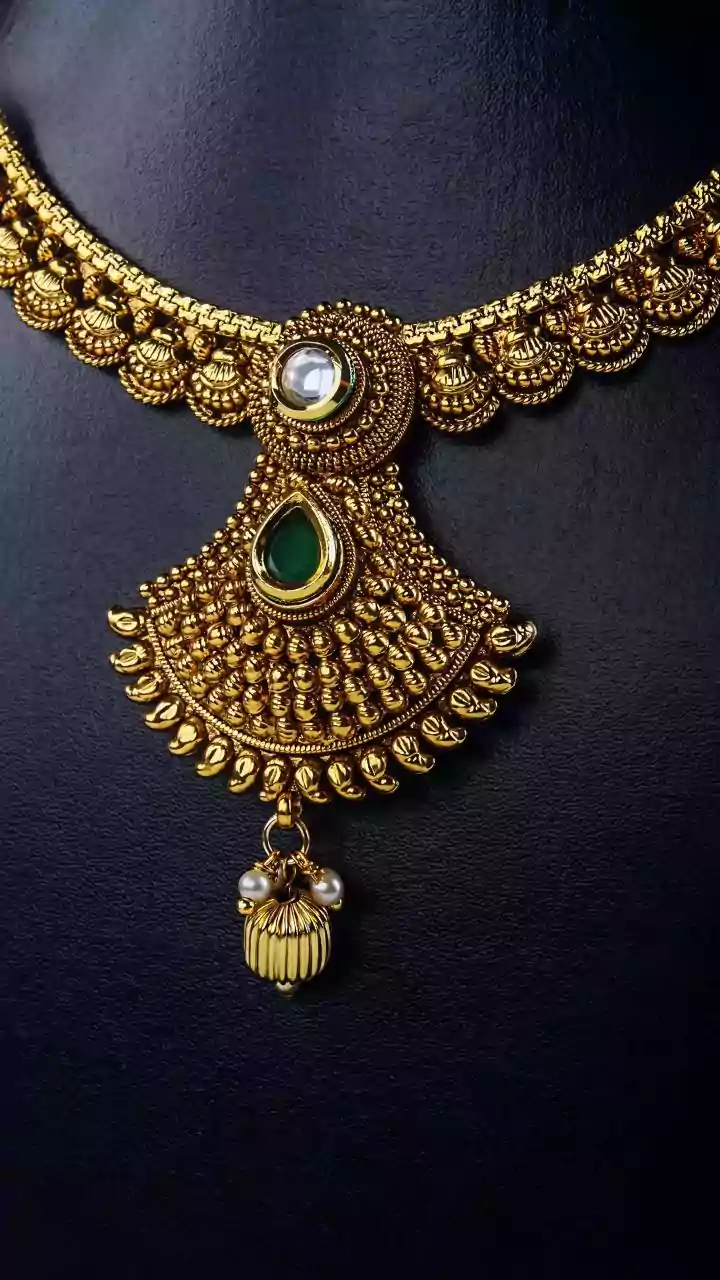
The familiarity of diamonds set in gold is deeply ingrained in the Indian psyche, largely due to its pervasive presence in family heirlooms, wedding sets, and pieces passed down through generations. This enduring appeal stems from several factors. Gold harmonizes effortlessly with traditional Indian attire such as sarees and lehengas, and its warm tones beautifully complement a wide range of Indian skin tones. Furthermore, gold offers remarkable versatility in design, available in yellow gold for a rich, traditional look; white gold for a subtler, platinum-like appearance at a lower cost; and rose gold for a softer, romantic aesthetic. Financially, gold, particularly in 14K or 18K purity, is often more budget-friendly, providing greater design flexibility within a set expenditure. The widespread expertise among Indian jewelers in handling gold – from resizing and redesigning to remaking pieces – adds significant practical value. However, gold's softness makes it susceptible to scratches over time, and white gold requires periodic re-polishing to maintain its luster. It may also lack the distinct 'exclusive' aura that some seek from precious metals.
The Sophistication of Platinum
Platinum exudes a refined, contemporary elegance that has gained significant traction, especially for engagement rings and couple bands in urban settings. It offers a subtle yet palpable sense of luxury, deriving its value from the inherent quality of the rare metal. A key advantage of platinum when paired with diamonds is its ability to enhance the stone's brilliance. Being naturally white, it doesn't cast any yellow tint or distracting hue onto the diamond, allowing its pure sparkle to take center stage. Its superior strength compared to gold makes it exceptionally durable for daily wear, ensuring longevity. Platinum also requires minimal upkeep, as it doesn't fade or need re-plating, maintaining its appearance over years. This characteristic contributes to its 'quiet luxury' appeal, projecting sophistication without being ostentatious. On the downside, platinum is typically more expensive than gold. The availability of traditional Indian designs in platinum is limited, with designs tending towards minimalist and modern aesthetics. Adjustments like resizing or repairs can be more complex than with gold. Additionally, platinum develops a unique matte finish, known as patina, over time, which, while appreciated by some for its vintage charm, may not appeal to everyone.
Making Your Personal Choice
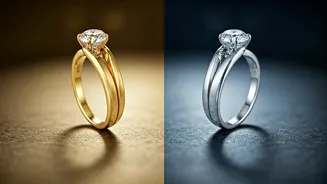
The ultimate decision between gold and platinum hinges entirely on individual preferences and priorities. If you are drawn to warm, rich hues and a touch of traditional elegance, gold is likely your preferred choice. For those who favor clean, minimalist aesthetics and a subtle, understated refinement, platinum emerges as the frontrunner. Platinum tends to make diamonds appear more prominent, whereas gold, particularly in more intricate or traditional settings, can subtly blend the diamond into the overall design. There isn't a universally 'correct' answer; rather, each metal offers a distinct aesthetic and functional experience. To summarize, opt for gold if tradition, design flexibility, and potential resale value are paramount. Conversely, choose platinum if a modern aesthetic, exceptional durability, and a premium, understated feel are your primary considerations. It is highly recommended to try on pieces in both metals. What might appear striking online or on another person can feel entirely different when worn. Factors such as your skin tone, personal style, and daily activities all play a crucial role in determining which metal truly complements you best.