







The Gut-Brain Connection
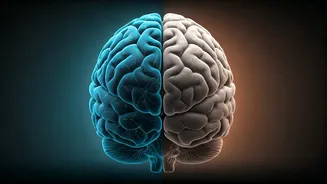
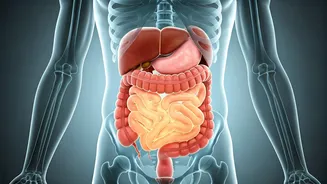
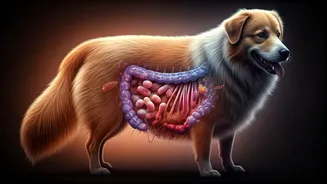
The relationship between a pet's gut and brain is far more intertwined than many realize. This connection, often called the gut-brain axis, is a two-way
communication system. The gut microbiome, consisting of trillions of bacteria, fungi, and viruses, profoundly influences brain function. For instance, the gut produces neurotransmitters like serotonin, which impacts mood and behaviour. An imbalance in the gut microbiome, known as dysbiosis, can lead to increased inflammation. This inflammation, in turn, can affect the brain and contribute to anxiety, stress, and even aggression in pets. Factors like diet, stress, and medications can disrupt the gut's delicate balance, highlighting the importance of understanding and supporting gut health to manage and improve a pet's behaviour and emotional well-being. Additionally, a healthy gut promotes the absorption of essential nutrients vital for optimal brain function.
Dietary Impacts Explained
Diet is the cornerstone of a healthy gut for your pet. A diet rich in high-quality, easily digestible ingredients is crucial. Processed foods, often high in artificial additives, preservatives, and fillers, can disrupt the gut's natural balance. Instead, opt for diets that include real meats, vegetables, and, if appropriate for the pet, a moderate amount of grains. Fibre-rich foods are particularly beneficial. They act as prebiotics, feeding the beneficial bacteria in the gut, thereby supporting a healthy microbiome. Fermented foods, like certain types of yogurt (if suitable for your pet), can introduce probiotics, directly supplementing the gut with beneficial bacteria. When changing your pet's diet, introduce new foods gradually to avoid digestive upset. Always ensure that fresh water is readily available, as hydration is essential for proper digestion and nutrient absorption. Consulting with a veterinarian or a pet nutritionist can provide personalized dietary recommendations based on your pet's specific needs and health conditions.
Stress and the Gut
Stress, a ubiquitous factor in modern pet lives, significantly impacts gut health. Just like humans, pets experience the physiological effects of stress, which can directly affect their digestive systems. Chronic stress can lead to an increase in cortisol, a stress hormone, which can disrupt the gut lining and lead to inflammation and altered gut motility. Changes in the gut environment can reduce beneficial bacteria and promote the growth of harmful bacteria, thus affecting mood and behaviour. Identifying and managing stressors is essential for your pet's overall health. Providing a calm and predictable environment can make a big difference. Ensure a comfortable space where your pet feels safe. Regular exercise, play, and mental stimulation can help reduce stress levels and promote a healthier gut. If stress-related behavioural issues are present, consulting with a veterinarian or a certified professional dog trainer can provide tailored strategies for managing and mitigating stress in your pet's life.
Recognizing Behavioural Changes
Changes in your pet's behaviour can be a clear signal of underlying gut health issues. These shifts may include increased anxiety, aggression, changes in appetite (either decreased or increased), lethargy, and changes in bowel habits like diarrhea or constipation. A pet may also show signs of abdominal discomfort such as bloating or excessive gas. When you observe these changes, it's essential to consult a veterinarian. They can conduct a thorough examination and possibly recommend diagnostic tests such as faecal analysis or blood tests to evaluate gut health. Promptly addressing these issues is crucial, as delayed treatment can exacerbate the problems, potentially leading to more severe and long-lasting behavioural issues. Understanding and acting on behavioural changes early will contribute greatly to your pet's well-being and a healthier, happier life.
Practical Steps for Improvement
Several practical steps can be taken to promote better gut health and, subsequently, improved behaviour in your pet. Start with diet adjustments, transitioning to a high-quality food that supports gut health. Incorporating prebiotic and probiotic supplements, under the guidance of a veterinarian, can help balance the gut microbiome. Managing stress is crucial, providing a safe and calm environment and engaging your pet in regular exercise and mental stimulation. Regular veterinary check-ups are also essential. Early detection of health issues and dietary recommendations can address problems before they escalate. Remember that a holistic approach, which encompasses diet, stress management, and veterinary care, provides the best results. A healthy gut means a happier, more well-behaved pet. By taking proactive steps, you can significantly enhance your pet's quality of life and strengthen the bond you share.