




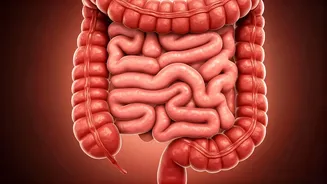

Chia Seed Basics
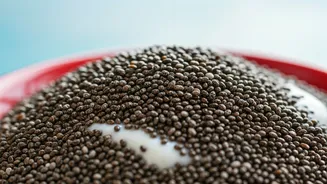
Chia seeds, tiny nutritional powerhouses, have gained popularity for their impressive health benefits, especially for gut health. These seeds are a fantastic
source of fiber, an essential nutrient for maintaining a healthy digestive system. Fiber adds bulk to your stool, helping to prevent constipation and promote regular bowel movements. Chia seeds also contain antioxidants and omega-3 fatty acids, contributing to overall well-being. Their versatility allows them to be incorporated into various foods and drinks, making them a convenient addition to any diet. The seeds' ability to absorb water and form a gel-like consistency further aids digestion and provides a feeling of fullness, which can be beneficial for weight management. Because they are easy to consume and packed with important nutrients, they are an excellent option for improving gut health and supporting overall wellness.
Chia Seeds vs. Yogurt
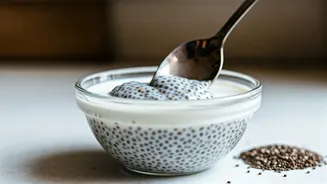
When deciding how to consume chia seeds, the choice between water or yogurt is crucial. Mixing chia seeds with water allows them to expand and form a gel, which can aid digestion. This gel-like consistency helps the seeds move through the digestive system efficiently. Alternatively, pairing chia seeds with yogurt offers added benefits. Yogurt introduces probiotics, beneficial bacteria that support gut health by improving the balance of microorganisms in your gut. Consuming chia seeds with yogurt combines the fiber benefits of the seeds with the probiotic advantages of the yogurt, creating a powerful combination for gut health. Consider your dietary preferences and health goals when choosing between water and yogurt. If your main goal is easy digestion, consider the water method. However, combining chia seeds with yogurt could lead to a stronger gut health boost.
Boosting Gut Health
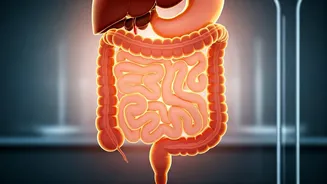
Chia seeds significantly contribute to enhancing gut health. Their high fiber content is critical to this process. Fiber acts as a prebiotic, nourishing the good bacteria in the gut and promoting their growth. This leads to a healthier gut microbiome, which is essential for efficient digestion, nutrient absorption, and overall immune function. Regularly consuming chia seeds can help to alleviate symptoms of digestive issues such as bloating, gas, and constipation. Moreover, chia seeds have anti-inflammatory properties, reducing inflammation in the gut and promoting a balanced gut environment. By supporting the growth of beneficial gut bacteria, chia seeds can improve the gut's ability to ward off harmful pathogens and reduce the risk of digestive disorders. Adding chia seeds to your diet is a straightforward yet impactful way to enhance your gut health and support long-term well-being.
Daily Chia Seed Intake
Finding the appropriate daily intake of chia seeds is key to optimizing its benefits for gut health. A typical starting point for daily consumption is about one to two tablespoons of chia seeds. This amount offers a significant dose of fiber, without causing digestive discomfort for most people. It's important to start with a smaller amount and gradually increase it, particularly if you're not used to a high-fiber diet. This gradual introduction helps your digestive system adapt and prevents potential issues like bloating or gas. You can integrate chia seeds into your daily diet easily. Sprinkle them on your morning cereal, mix them into smoothies, or add them to yogurt. You can also incorporate them into baked goods, or even consume them plain with water. Monitor your body's response and adjust the intake to suit your personal tolerance and digestive needs. Staying hydrated throughout the day is crucial, as the fiber in chia seeds absorbs water, and drinking enough water is necessary to prevent any digestive complications.
Preparing Chia Seeds
Preparing chia seeds for consumption is simple and adaptable to your personal taste. When mixing chia seeds with water, let them sit for about 10-15 minutes to allow them to absorb the water and form a gel. This process makes the seeds easier to digest and more effective for supporting gut health. If you are preparing chia seeds with yogurt, you can simply mix them in and consume them immediately, or let them sit for a short while to achieve a desired consistency. Chia seeds can also be added to a variety of recipes, such as smoothies, oatmeal, or even sprinkled on salads. To enhance the flavor and nutritional profile, try toasting the chia seeds slightly. Place them in a dry pan over medium heat for a few minutes until they become fragrant. This process helps to bring out the nutty flavor of the seeds. Experiment with different preparation methods to find what you like most, but keep in mind that the primary objective is to enjoy these seeds in a way that contributes to your gut health.