






Valuable Antiques
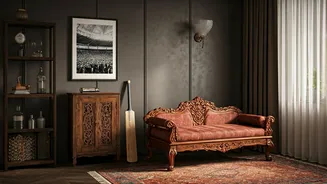
When it comes to furniture at least a century old, painting is almost always a bad idea. These pieces, often imbued with historical significance, are highly
sought after by collectors who prize their original finishes. Applying paint can drastically diminish their monetary worth, effectively erasing their unique story. Experts recount instances where minor damage, easily restorable, led to an irreversible decision to paint, ultimately reducing the item's appeal and value. It's imperative to thoroughly research a piece's provenance and age before considering any cosmetic changes that cannot be undone.
New Factory Items
While many surfaces can be painted with the right preparation, newly manufactured furniture, even the affordable flat-pack variety, presents challenges. The smooth, pristine factory finish often doesn't bond well with new paint. Consequently, even with meticulous application, the painted surface will likely be more susceptible to chipping and wear compared to its original state. It's advisable to allow some time for the piece to acquire minor wear and tear before contemplating a paint job. Once some character develops, painting might become a more viable option.
Intricately Detailed Pieces
Furniture adorned with elaborate carvings or detailed ornamentation, like an ornate headboard or a finely crafted armoire, loses its allure when painted. The paint can obscure the painstaking craftsmanship and delicate details that make these pieces special. Moreover, achieving an even coat on intricate areas is incredibly difficult, often resulting in drips and an uneven appearance. Before attempting to repaint such items, honestly assess your artistic abilities, as a flawed paint job can detract significantly from the piece's inherent beauty.
Cedar Outdoor Furniture
Cedar is a favored wood for outdoor furniture due to its natural resistance to decay and insects. Items like Adirondack chairs, trellises, and birdhouses crafted from cedar boast beautiful grain patterns that paint would conceal. While sealing cedar for extra protection against the elements is beneficial, painting it is ill-advised. This process not only hides the wood's natural aesthetic but also compromises its inherent durability. Opting for a stain, rather than paint, enhances cedar's natural qualities while still offering protection.
Select Midcentury Modern
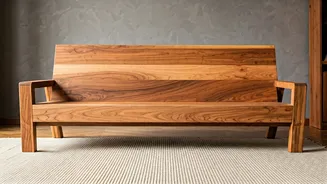
Similar to antique furniture, many midcentury modern pieces are highly collectible. Iconic designs from this era, often made from solid woods like walnut and teak, or featuring high-quality veneers over bent plywood, are valuable in their original state. Painting these items detracts from their distinctive aesthetic, covers up beautiful wood grains, or damages original veneers, thereby reducing their worth. Understanding the history and composition of a midcentury piece is crucial before undertaking any renovation that could impact its future value.