





A Quiet Beginning
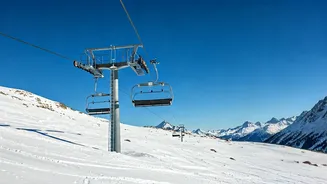
The Colorado ski area experienced a period of inactivity for an extensive duration. Specifically, its lone lift remained idle for a quarter of a century,
allowing the location to fade from the public eye. During its operational phase, the area undoubtedly provided skiing enthusiasts with memorable experiences, contributing to the rich history of winter sports in Colorado. The passage of time saw its slopes and infrastructure fall into disrepair, transforming what was once a vibrant hub for snow activities into a relic of the past. The reasons behind the closure are likely multifaceted, possibly including economic challenges, changing consumer preferences, or environmental factors. It is noteworthy that the extended period of closure allowed the natural environment to reclaim much of the space. The reopening of this lone lift is, therefore, a significant event in the ski world.
Closure and Decay
The reasons that led to the prolonged closure of the ski area are complex. The ski industry is subject to significant economic pressure, including fluctuating tourism numbers and the high operational costs associated with maintaining lifts and snowmaking equipment. Furthermore, modifications in snow patterns and climate change might have played a role, lessening the amount of reliable snowfall necessary for a successful ski season. As a result, the area experienced a decline, and the decision to shut down was made, leaving the slopes deserted. The infrastructure, especially the lone lift, faced the harsh realities of neglect. Exposure to the elements, lack of maintenance, and the absence of usage contributed to the deterioration of the lift and other facilities. This lack of use eventually made it nearly impossible to operate.
Revival Efforts Emerge
The process of bringing the ski area back to life was a complex endeavor that needed great commitment and resources. Before the lift could function, extensive inspections, repairs, and upgrades were necessary to ensure its structural integrity and comply with safety regulations. These actions required professional expertise and considerable investment. Simultaneously, efforts were directed toward preparing the slopes. This might involve clearing vegetation, repairing damage caused by erosion, and potentially improving snow management systems to guarantee sufficient coverage. Moreover, the reopening needed to adhere to environmental regulations, requiring careful planning and ecological considerations. It is likely that the local community played a critical role in supporting the revitalization efforts, whether through fundraising, volunteer labor, or advocating for the ski area's future. The commitment to the revival demonstrated a shared desire to rejuvenate the area.
A New Chapter
The reopening of the solitary lift marks a major victory for the area and the community. It represents the successful outcome of considerable work. The event provided an opportunity for celebration and served as a symbolic moment, emphasizing perseverance and the aspiration to protect outdoor recreation. For skiing fans, the reopening offers a revitalized destination to enjoy the sport, creating memorable experiences and fostering a sense of community. The return of the lift also has significant economic implications for the surrounding area. The increased tourism might produce opportunities for local businesses. Restaurants, hotels, and shops can anticipate a surge in visitors. The reopening promotes positive economic effects and adds to the cultural richness of the area. It underscores the spirit of resilience and community pride.