




The Psychology of Perception
Ever felt a pang of guilt reaching for your favorite jeans and sweater again? You're not alone. However, this common fashion anxiety is rooted in a misunderstanding
of how our minds process visual information. According to style experts like Leanna Spektor, people don't meticulously recall the exact details of your outfit from the last time they saw you. Instead, they register an overall impression. This psychological phenomenon is the key to outfit repetition. When you alter just a single visible component of an ensemble, you effectively disrupt that established impression enough for the entire look to be perceived as fresh and new, even if the core pieces remain the same. This insight combats the pressure to constantly don new attire, promoting a more mindful approach to fashion.
Sustainable Style Simplified
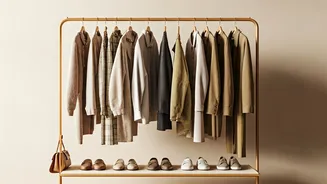
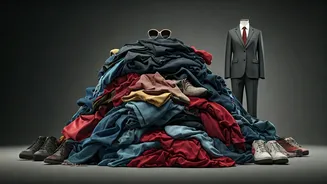
Embracing outfit repetition isn't just a clever styling trick; it's a powerful commitment to sustainable fashion. In an era driven by fast fashion and the constant urge for novelty, this approach offers a practical alternative. Instead of succumbing to the cycle of buying more clothes to avoid wearing the same things, you learn to extract more value from what you already own. This method prioritizes creativity and resourcefulness over excessive consumption. Studies indicate that frequently reusing and restyling garments is directly linked to reduced consumption patterns and more eco-conscious wardrobe habits. By mastering the art of the one-element swap, you contribute to a healthier planet while enriching your personal style, proving that conscious choices can be both fashionable and environmentally responsible.
The One-Element Swap Rule
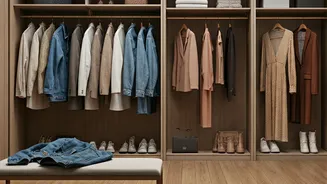
The secret to making outfit repetition work lies in a remarkably simple yet effective rule: change just one visible element. This principle directly addresses the way our brains perceive visual stimuli. Instead of needing to completely overhaul an outfit, a minor alteration is sufficient to create a sense of novelty. For instance, if you wore a black trousers and white shirt combo on Monday, wearing the exact same outfit on Thursday but swapping your casual sneakers for elegant ankle boots will dramatically change its perceived character. Research supports this, showing that even subtle adjustments to visible components significantly enhance the feeling of newness without requiring entirely new items. Think of your existing wardrobe as a versatile canvas; the single element swap acts as a strategic brushstroke that revitalizes the entire composition.
Key Elements to Swap
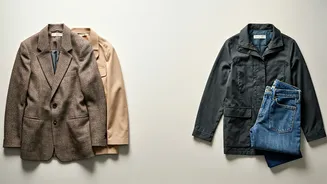
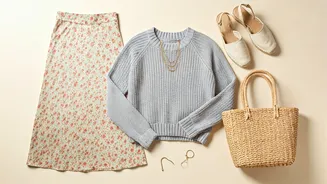
The beauty of the one-element swap lies in its adaptability. Numerous components of an outfit can be altered to achieve a fresh look. Footwear is exceptionally impactful; the same dress can appear casual with trainers, sophisticated with flats, or evening-appropriate with heels. Outerwear, such as coats or blazers, also dramatically shifts an outfit's impression, especially in cooler weather. Accessories like belts, bags, and jewelry are surprisingly powerful tools, capable of redefining a familiar ensemble. Even silhouette adjustments, like tucking in a shirt or cuffing jeans, require no extra purchases and can alter proportions effectively. Finally, changes in hair or makeup, though not part of the clothing, influence how the overall look is perceived, demonstrating the multifaceted nature of refreshing your style.