


Besan's Subtle Magic
In the heart of Indian kitchens, where culinary wisdom is often passed down through practice rather than explicit instruction, lies the subtle yet impactful
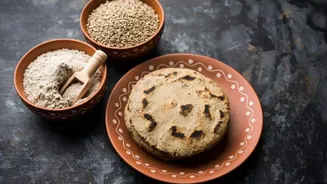
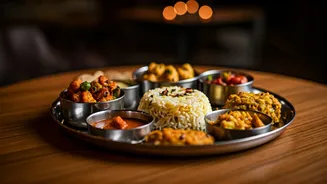
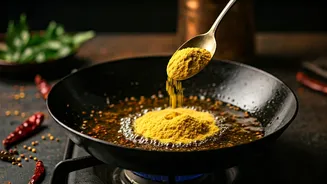
technique of incorporating besan into tadka. This isn't about introducing a dominant flavor, but rather about leveraging the flour's unique properties to elevate the entire dish. When a small amount of besan is introduced to the hot oil or ghee of a tempering, it undergoes a rapid transformation. It toasts almost instantaneously, releasing a gentle, nutty fragrance that harmonizes with other spices. This process doesn't call attention to itself by overpowering the palate; instead, it works behind the scenes, acting as a binder and a balancer. This practice is particularly prevalent in staple dishes like dals, kadhi, and various vegetable preparations, where achieving a pleasing texture and a well-rounded finish is as crucial as the primary taste profile. The inclusion of besan elevates these everyday meals from merely adequate to delightfully complete, a testament to the power of seemingly minor culinary adjustments.
Texture, Aroma, Depth Boost
Even a modest quantity of besan can significantly alter the perceived texture and overall character of a dish. As it heats within the tempering, the gram flour absorbs the fats present, and as the dish progresses and liquid is introduced, it contributes to a gradual thickening. This results in a more satisfying and cohesive mouthfeel, moving away from the thin or watery consistency that can sometimes plague simpler preparations. Simultaneously, the roasting process coaxes out a comforting, nutty aroma. This adds a layer of complexity and warmth to the food, making it feel more substantial without becoming heavy or pasty. The outcome is a dish that feels intentionally crafted, comforting, and deeply satisfying, even when prepared with a straightforward set of ingredients. It imparts a sense of completeness that resonates with the diner, making even the simplest meal feel like a special occasion.
Gentle Thickening Power
One of besan's most valuable contributions when added to tadka is its ability to naturally thicken dishes without resorting to less elegant methods. Instead of incorporating large amounts of starch or allowing the dish to overcook in an attempt to achieve a desired consistency, besan provides a gradual and controlled thickening. As the dish continues to cook after the tadka is added, the besan disperses and integrates, contributing to a smoother and more structured base. This is particularly beneficial in liquids like dals and gravies, where it creates a pleasing body without rendering the food dense or heavy. The result is a texture that is pleasingly viscous, holding its form well while still feeling light and easy to consume, enhancing the overall eating experience.
Stabilizing Against Splitting
For certain types of Indian dishes, particularly those that involve the incorporation of dairy products like curd or buttermilk, or thinner, water-based dals, the risk of the dish splitting or separating is a common concern. Besan acts as a natural emulsifier and stabilizer in these scenarios. By toasting it early in the fat of the tadka, it forms a base that helps bind the fats and liquids together more effectively. This reduces the likelihood of separation occurring later in the cooking process or when the dish cools. Consequently, the final preparation appears smoother, more homogenous, and visually appealing, with the flavorful tempering integrated seamlessly into the main body of the dish rather than forming an oily layer on top.
Enhancing Flavor Profile
Besan's role in tempering is not to impart a strong, standalone taste, but rather to subtly enhance and round out the existing flavors of a dish. The gentle roasting transforms the raw, slightly bitter notes of gram flour into a warm, nutty characteristic that harmonizes with spices. This subtle warmth acts to soften any sharp or aggressive edges in the flavor profile, such as excessive acidity or strong chili heat. By introducing this mellowing influence, besan helps to create a more balanced and integrated taste experience, where all the components feel cohesive and complementary. Dishes prepared with besan in the tadka often possess a comforting, mellower quality, making them feel more approachable and deeply satisfying without any single flavor aggressively dominating the palate.
Simplicity's Elevated Outcome
In the context of everyday Indian home cooking, where time is often a constraint and the focus is on creating nourishing meals with readily available ingredients, small culinary techniques like adding besan to tadka become immensely significant. This practice doesn't introduce complexity or require specialized ingredients, yet it profoundly elevates the overall eating experience. It transforms a basic dish into something that feels thoughtfully prepared and complete, transcending the ordinary. The besan doesn't seek the spotlight; its power lies in its ability to quietly improve the texture, deepen the aroma, and balance the flavors, making the food more enjoyable and satisfying. It's a reminder that culinary excellence can often be found in the most unassuming of additions, proving that sometimes, the smallest touches make the most substantial difference.