




Beyond Physical Power
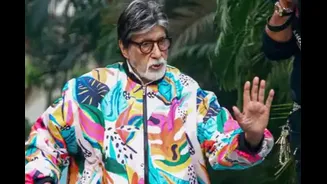
Witnessing Sham Kaushal, at the age of 70, engaging in rigorous gym activities like suspension training and bench presses offers a powerful testament to
the fact that age is merely a number when it comes to maintaining physical vitality. His simple yet profound caption, "By God’s grace, small efforts to continue…," underscores a philosophy that resonates deeply: consistency and dedication are the true cornerstones of lifelong fitness. This isn't just about impressive feats of strength; it's a potent reminder of the unwavering discipline required to stay active and healthy, regardless of one's chronological age. The example set by Mr. Kaushal serves as a significant motivational beacon, proving that active aging is not only achievable but incredibly rewarding, fostering a mindset of continuous engagement with one's physical well-being.
Combating Sarcopenia Naturally
From a clinical nutrition standpoint, the practice of 'active aging' is paramount, and strength training plays a pivotal role. As individuals advance in years, a natural and often unavoidable decline in muscle mass occurs, a condition medically termed sarcopenia. However, engaging in regular strength training routines can significantly mitigate this process. It not only helps preserve existing muscle but also contributes to enhancing bone density, which is vital for preventing fractures and maintaining skeletal integrity. Furthermore, consistent resistance exercises bolster metabolic health, improving the body's ability to process nutrients efficiently. This enhanced metabolic function includes better insulin sensitivity, a critical factor in preempting or managing age-related metabolic conditions such as type 2 diabetes, thereby promoting a healthier and more functional life.
Nutrition for Muscle Health
Beyond the physical exertion of exercise, maintaining robust muscle health in later years hinges equally on adequate nutrition and effective recovery. For individuals in their 70s and beyond, ensuring sufficient protein intake is indispensable for muscle repair and overall strength maintenance. Protein serves as the building blocks for muscle tissue, and its availability directly impacts the body's ability to recover from workouts and adapt. Complementing protein, essential micronutrients such as vitamin D, calcium, and vitamin B12 are critical. Vitamin D and calcium are vital for bone health, while B12 supports nerve function and red blood cell formation, both important for energy and recovery. Moreover, proper hydration is non-negotiable, as it supports all bodily functions, including nutrient transport and waste removal. Coupled with adequate sleep and rest, these nutritional strategies amplify the benefits derived from strength training, creating a holistic approach to aging well.
The Mindset of Consistency
The encouraging words "small efforts to continue" from Mr. Kaushal's caption encapsulate a crucial aspect of sustained fitness: the power of consistency over sheer intensity. This perspective shifts the focus from sporadic, high-effort bursts to a steady, daily commitment, highlighting that fitness is a marathon, not a sprint. Building long-term health is a cumulative process, achieved through regular, manageable actions rather than striving for extreme results or rapid transformations. This mindset is particularly vital for older adults, as it promotes a sustainable approach to exercise that can be integrated into everyday life. By emphasizing small, consistent efforts, individuals are more likely to maintain their routines, fostering a sense of accomplishment and continuous improvement, which is key to enduring physical and mental well-being.
Embracing Active Independence
In a societal landscape where aging is often associated with a natural slowdown, the proactive approach championed by individuals like Sham Kaushal offers a refreshing paradigm shift. Strength training in one's 50s, 60s, and even beyond is not merely a safe endeavor when performed correctly, but an essential component for preserving independence, enhancing mobility, and elevating overall quality of life. This form of exercise actively combats the physical limitations that can arise with age, empowering individuals to continue participating in activities they enjoy and maintain their autonomy. The message is clear and impactful: aging does not necessitate a cessation of physical activity; rather, it underscores the critical need to remain active to counteract the aging process itself. Ultimately, the adage, "You don’t stop working out because you age. You age faster when you stop working out," perfectly encapsulates the profound, symbiotic relationship between consistent exercise and healthy longevity.