







FII Selling Impact
Over the past year, a substantial 49 IT stocks have witnessed a significant exodus of investment from FIIs. This trend has had a clear and visible effect:
a downward pressure on the share prices of many prominent IT companies. This phenomenon reflects a broader shift in investor sentiment and strategic portfolio adjustments by foreign entities, contributing to the fluctuations currently observed in the Indian stock market. The consequences of FII selling are not limited to immediate price drops; they also influence market confidence and the overall investment climate within the IT sector.
Valuation Perspective Shift
While the consistent selling by FIIs has caused a decline in share prices, a segment of market analysts is now beginning to highlight an altered valuation landscape. They perceive that the current valuations present an attractive entry point for investors. This shift in perception signals that, in their view, the market may have overreacted to the selling pressure. This potentially undervalued situation is seen as an opportunity for long-term investors who are looking at the IT sector's growth potential and its fundamental business strengths. The belief is that the market will eventually recognize this undervaluation, leading to a price correction.
Rate Cut Influence
The anticipation of a potential rate cut by the US Federal Reserve adds another layer of complexity to the market dynamics. A reduction in interest rates by the Fed could encourage a more favorable sentiment in global markets, including India. Lower rates often lead to increased investment, as they make borrowing cheaper and boost overall economic activity. The possibility of this rate cut is a significant factor being considered by investors, as it could inject liquidity into the market and positively influence the IT sector by potentially attracting increased investment. This situation suggests that broader economic policies play a crucial role in shaping the outlook for specific sectors.
The Rupee's Weakness
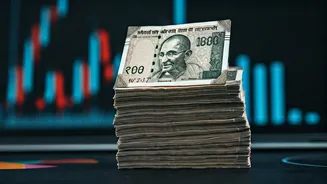
The weakening of the Indian rupee against other major currencies is another crucial element that influences the IT sector. A weaker rupee is generally seen as favorable for exporters, as it makes their services and products more competitive in international markets. Because a major portion of IT companies’ earnings comes from international contracts, the depreciated rupee helps to improve their profit margins. This phenomenon adds a layer of complexity to the IT sector’s assessment. While share prices may be affected by FII selling, the benefits derived from a weaker rupee could offset some of the negative effects, presenting a more nuanced picture of the industry’s overall health.
Outlook & Expectations
Many factors will influence the future trajectory of the Indian IT sector. While the current situation is challenging, with FII selling acting as a headwind, there are also potential catalysts on the horizon that could lead to recovery. The key factors include shifting valuation perceptions, potential Federal Reserve rate cuts, and the impact of the depreciating rupee. A positive shift in investor sentiment, coupled with favorable economic indicators, could help the IT sector to regain lost ground. Overall, market observers suggest keeping a watchful eye on economic data and investor behavior in order to navigate the challenges.