





The Golden Ratio
Maximizing the benefits of castor oil for hair requires a thoughtful approach, as its dense nature means a little goes a long way. Experts suggest incorporating
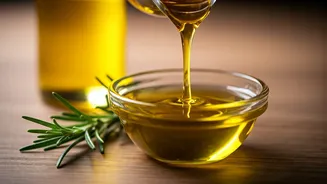
it as a smaller component within a larger blend. A foundational ratio that yields excellent results involves one tablespoon of castor oil paired with two tablespoons of a chosen carrier oil, such as coconut, almond, jojoba, or argan oil. For an added boost, consider infusing this mixture with 3 to 5 drops of rosemary oil. Gently warming this blend between your palms before application not only enhances its spreadability but also elevates the massage experience, making it more soothing and relaxing for your scalp.
Argan: Liquid Gold
Often hailed as 'liquid gold,' argan oil truly lives up to its name, showering strands with benefits. It's brimming with antioxidants and essential fatty acids that work wonders on the hair cuticle, imparting an immediate glossiness and a visibly healthier appearance. While castor oil focuses on deep moisturization, argan oil introduces softness and enhances hair's natural movement, creating a sophisticated, salon-quality finish without the salon visit. This exquisite combination is particularly advantageous for hair that tends to frizz, has undergone coloring or chemical treatments, or for individuals who prefer a lighter, less greasy oiling routine. The result is hair that feels thoroughly nourished yet remains delightfully light and fragrant, a marked improvement from the aroma of pure castor oil.
Coconut's Embrace
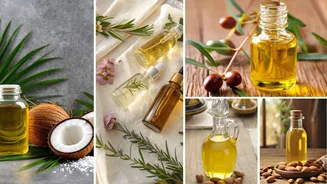
Coconut oil acts as the perfect partner for castor oil, offering a lighter consistency that facilitates easier application and promotes more even penetration of the castor oil into the hair. It essentially enhances the overall effectiveness of the blend. What sets coconut oil apart is its unique ability to permeate the hair shaft, rather than merely coating the exterior. This deeper absorption helps to minimize protein loss from the hair, leading to stronger strands and a significant reduction in breakage, which is often misconstrued as slow hair growth. It's important to understand that hair's natural growth rate is largely biological; the perception of 'slow growth' is frequently due to hair breaking off before it can reach its full potential length. Combining one part castor oil with two parts coconut oil creates a smoother-feeling mixture that washes out effortlessly, especially beneficial for hair that feels dry, rough, or has been damaged by heat styling.
Jojoba's Balance
Jojoba oil, a unique liquid wax, possesses a molecular structure remarkably similar to the scalp's natural sebum. This intrinsic similarity allows the scalp to readily accept and benefit from it. When integrated with castor oil, jojoba plays a crucial role in preventing product buildup and maintaining a balanced scalp environment—avoiding extremes of oiliness or dryness. This scalp health is paramount, as robust hair growth originates from a healthy foundation. Blocked or irritated hair follicles can impede growth, irrespective of the products used. Jojoba oil is instrumental in soothing itchy scalps, managing excessive oil production, and enhancing overall scalp comfort. It's an ideal choice for those experiencing oily roots coupled with dry ends.
Almond's Gentle Touch
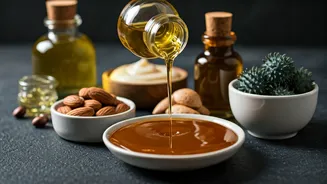
Almond oil, a less celebrated but highly valued ingredient among beauty connoisseurs, offers a lightweight yet potent formulation. Rich in Vitamin E and exceptionally gentle on the scalp, it has been a staple in traditional beauty practices across various cultures for centuries, prized for its ability to nourish hair and refine texture. When blended with the richness of castor oil, almond oil softens the overall consistency, transforming the mixture into a silky treatment rather than a heavy mask. Its efficacy lies in its capacity to help diminish breakage, impart softness and shine, and improve hair manageability. This combination is particularly beneficial for hair prone to tangles or that appears dull, providing a simple yet effective solution for beginners venturing into oil blends.
Rosemary's Potency
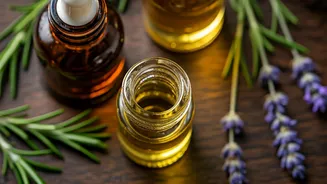
Rosemary oil stands out due to its substantial research backing regarding its potential to enhance hair growth conditions. Clinical investigations have indicated that oil blends featuring rosemary can lead to increased hair density, improved thickness, and a reduction in hair fall over time. However, rosemary oil is highly concentrated and should never be used in isolation. Instead, incorporate just a few drops of rosemary essential oil into a castor oil mixture. The castor oil provides essential moisture and protection, while the rosemary oil actively stimulates blood circulation around the hair follicles. This synergy creates a balanced and effective treatment, often lauded by beauty editors as a natural scalp therapy. It is critical to adhere to the 'less is more' principle; excessive amounts will not yield better results and may cause irritation.
The Oiling Ritual
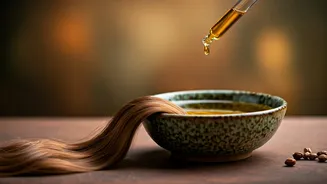
The practice of hair oiling transcends mere cosmetic application; it's a mindful ritual that encourages slowing down and dedicating moments to self-care. This enduring practice persists despite fleeting trends and high-end product launches. Castor oil functions most effectively not as a solitary miracle solution, but as a supportive element within a well-formulated blend. When combined with appropriate oils, it becomes an integral part of a consistent regimen that fosters gradual, natural, and sustainable hair strengthening. Therefore, when using castor oil, consider blending it rather than applying it solo. Regular application and massage, coupled with patience, may not yield overnight transformations, but over several weeks, noticeable improvements like stronger strands, a calmer scalp, and healthier-feeling hair are highly probable. Remember, significant hair length is typically lost due to damage rather than slow growth; cultivating a healthy scalp and robust strands is the key to visible progress.
Application & Care
Effective hair oiling focuses on more than just coating the strands; the scalp massage is where the true magic happens. Using your fingertips, not nails, gently massage your scalp for approximately five minutes. This action boosts blood circulation and ensures the oils are distributed evenly. Allow the oil to remain on your scalp and hair for a minimum of 30 minutes, or even overnight if your scalp tolerates it well. Subsequent shampooing should be gentle, and you might need two washes to thoroughly remove heavier oil formulations. Aim for this treatment two to three times per week; excessive application can lead to buildup rather than desired benefits. It's important to address a common misconception: no oil can drastically accelerate hair growth. Experts confirm that castor oil does not scientifically increase the speed of growth. Its primary benefits lie in enhancing hydration, minimizing breakage, and protecting hair, which collectively contributes to hair appearing fuller and longer over time. This is a significant outcome, as hair length retention is primarily hindered by damage, making a healthy scalp and strong strands the ultimate determinants of visible hair growth.