







The Viral Video Incident
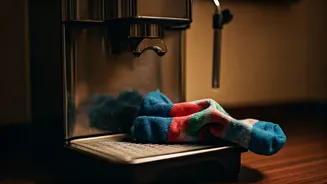
A travel influencer, Tara Woodcox, recently shared a TikTok video showcasing what she termed a 'travel hack' for situations where clean underwear is scarce
during extended trips. The clip depicted her placing her undergarments into the coffee maker's brewing compartment and running hot water through it, subsequently using a hairdryer to dry the garment. Woodcox attributed this peculiar method to advice from a flight-attendant acquaintance. The video quickly disseminated across social media platforms, eliciting strong reactions and considerable dismay from a vast audience of travelers, simultaneously sparking intense discussions about hygiene standards in accommodations and the general upkeep of hotel amenities.
Public Reaction and Lawsuit Rumors
The online reaction to Woodcox's video was overwhelmingly one of revulsion, with many viewers expressing their intent to abstain from using hotel coffee makers in the future. This widespread disgust naturally led to a broader questioning of how meticulously hotels clean their in-room appliances. Some social media users escalated their concerns by directly tagging major hotel chains, demanding more stringent cleaning protocols and oversight. Amidst the uproar, rumors began to circulate suggesting a substantial lawsuit, reportedly valued at $1 million, had been filed against Woodcox by the hotel. These unverified claims alleged that the incident damaged the hotel's reputation and necessitated the disposal of coffee machines, leading guests to demand refunds. However, subsequent reports clarified that no official legal action was ever verified, with no public court filings or statements from hotel groups confirming such a lawsuit.
Hidden Hotel Germ Hotspots
Beyond the obvious areas like bedsheets and bathrooms, the viral incident brought to light several less apparent, yet potentially germ-laden, items commonly found in hotel rooms. The television remote control is a frequent culprit, often touched by numerous guests without adequate cleaning between stays. Similarly, coffee makers and kettles, now under intense scrutiny, can harbor unseen bacteria if not regularly sanitized. Decorative cushions and bed runners, while adding aesthetic appeal, are typically washed far less frequently than linens and can accumulate dust and germs. High-touch surfaces such as light switches and door handles are also significant germ reservoirs. Even the handles of bathroom sinks, frequently handled with wet hands and often overlooked in hurried cleaning routines, can pose a hygiene risk, underscoring the importance of being aware of these less obvious contaminants.
Traveler Recommendations and Awareness
In response to the heightened awareness surrounding hotel hygiene, travelers now have practical strategies to mitigate potential risks. For those uneasy about using in-room coffee machines, carrying a portable electric kettle offers a reliable alternative for preparing hot beverages. Many hotels also provide convenient laundry bags and services, alongside drying racks, allowing guests to manage their clothing needs without resorting to unhygienic makeshift solutions. Although the initial controversy was fueled by an influencer's questionable actions, it has undeniably served as a crucial catalyst, prompting a greater consciousness among travelers regarding room cleanliness. The incident has irrevocably altered how many individuals perceive and interact with hotel amenities, fostering a more cautious and informed approach to travel.