







Core Training Principles
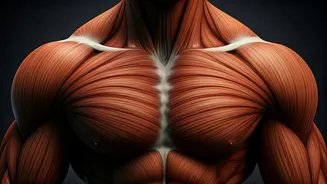
Building a powerful chest involves understanding fundamental training principles. The approach typically includes compound exercises that stimulate overall
muscle growth, followed by isolation exercises to focus on specific areas. Prioritizing proper form over the weight lifted is crucial to prevent injuries and ensure the targeted muscles do the work. Remember that progressive overload, gradually increasing the weight, reps, or sets over time, is key to continuously challenging your muscles and promoting growth. Varying rep ranges – incorporating both higher rep sets for endurance and lower rep sets for strength – also contributes to well-rounded development. Lastly, consistency in your workout routine, coupled with adequate rest and a balanced diet, is essential for seeing significant gains in chest size and strength. A well-structured plan, adherence to form, and progressive overload form the foundation for chest-building success.
Compound Exercise Mastery
Compound exercises form the bedrock of chest development. The bench press, in its various forms (flat, incline, decline), should be a staple in your routine. It engages the entire pectoral region, along with the shoulders and triceps. To maximize effectiveness, focus on proper technique: maintain a slight arch in your back, keep your feet firmly planted on the floor, and control the bar's descent. The dip, another powerful exercise, works the lower pecs when leaning forward. Ensure you are using a full range of motion. Incline dumbbell press, which targets the upper chest, is equally effective. Incorporate these exercises at the beginning of your workout when your energy levels are highest. Consider adjusting the angle of your bench or dip to emphasize different areas of the chest. It's crucial to find the angles that best suit your body to ensure the optimal engagement of the pectoral muscles.
Isolation Exercise Focus
After engaging in compound exercises, isolate your pecs for enhanced development. Exercises like the dumbbell flyes, cable flyes, and pec deck are crucial for targeting specific muscle fibers. Dumbbell flyes allow for a greater range of motion, providing a deep stretch and emphasizing the chest's outer portion. Cable flyes offer constant tension throughout the movement, leading to better muscle engagement. Pec deck exercises are particularly useful for squeezing and contracting the chest muscles. Focus on controlled movements, avoiding the use of momentum to prevent injury. Aim for a peak contraction at the end of each rep, consciously squeezing your chest muscles. The selection of isolation exercises should allow for a thorough approach. Including these exercises at the end of your chest workout helps fully exhaust the muscles.
Workout Frequency & Volume
The ideal training frequency and volume can vary, but most bodybuilders train chest once or twice a week. The volume, measured in sets and reps, needs to match your experience and recovery capabilities. Beginners may start with fewer sets, gradually increasing the volume. More advanced lifters can handle higher volumes. For example, a beginner might start with 3 sets of bench presses and incline dumbbell presses. As you progress, you could add additional sets, and incorporate more exercises. Pay close attention to your body's signals, and allow enough time for recovery between workouts. Overtraining can hinder gains. Adjust the volume as needed based on your progress and recovery, ensuring that you're continually challenging your muscles without overdoing it. Listen to your body and make adjustments as necessary to prevent plateaus and maximize growth.
Nutrition and Recovery
Training is only one part of the bodybuilding equation. Nutrition and recovery are vital for muscle growth. Consume enough protein to support muscle repair and growth. Aim for a protein intake of 1.6 to 2.2 grams per kilogram of body weight. Carbohydrates provide the energy needed for intense workouts, while healthy fats support hormone production. Adequate sleep is non-negotiable, so aim for 7-9 hours of quality sleep each night. Your body repairs and rebuilds muscle during sleep. Supplements, like creatine and protein powder, can support your efforts, but they're not substitutes for a balanced diet. Staying hydrated is also very important. Drink plenty of water throughout the day. Optimizing these factors will allow you to see the best results. Focus on balanced meals and rest for optimal results.