







Produce Picks
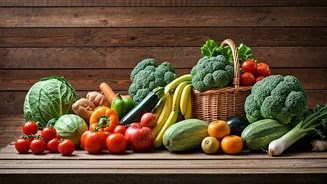
Prioritize local and seasonal fruits and vegetables whenever possible. These are typically fresher, retain more nutrients, and are often grown with fewer
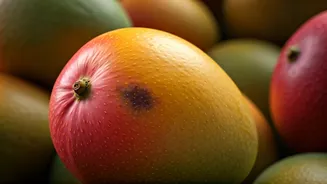
pesticides. If your budget permits, consider organic options for produce known to have higher pesticide residues. The 'dirty dozen' list includes items like strawberries, apples, and spinach, which benefit most from organic sourcing. Conversely, the 'clean fifteen', such as avocados, onions, and mangoes, are generally safer to buy non-organic. To mitigate residue on non-organic items, a thorough wash in warm water with a touch of baking soda for approximately fifteen minutes can effectively remove a significant amount of surface contaminants, ensuring safer consumption for your little ones.
Salt, Sweeteners, & Spice
For infants under one year, limiting sodium intake to around 400 mg daily is crucial, as they receive sufficient amounts from breastmilk or formula; avoid adding salt to their food. For toddlers aged one to three, a small pinch, up to 800 mg of sodium, is acceptable, increasing to 1200 mg for children over four. Opt for iodized sea salt or pink Himalayan salt. When choosing spices, glass containers are preferable for better storage. For sweeteners, restrict added sugars until after age two, with recommendations suggesting alternatives like maple syrup, honey, or dates for babies under one. After two, aim for less than 25 grams (about 6 teaspoons) of added sugar daily. Natural sugars from whole fruits are always a healthy choice. Check packaged food labels for minimal or no added sugars (ideally under 2 grams per 100 grams). While jaggery is a slightly better option than white sugar due to its mineral content, it should still be used sparingly.
Oils, Grains, & Proteins
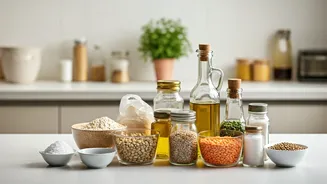
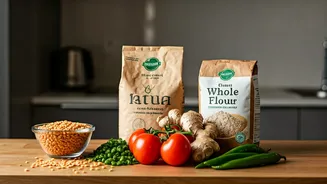
Select cold-pressed or traditionally prepared oils and ghee, such as extra-virgin olive oil, coconut oil, and desi ghee, for moderate use. Eggs, a complete protein source, should be sourced from trusted suppliers; look for organic certification if feasible. For dals and beans, choosing local varieties often ensures better freshness and nutritional value; soaking them overnight can improve digestibility. When it comes to grains like rice, wheat, ragi, and oats, sourcing locally is also recommended. Prioritize whole grains for sustained energy and fiber. The 'Jaivik Bharat' logo and FSSAI license number are indicators of organic certification in India, though many smaller farms may offer 'natural' produce due to certification costs; direct sourcing from trusted local vendors is a practical alternative.
Dairy & Smart Choices
For dairy products like milk, curd, and paneer, opt for full-fat versions for babies and toddlers, seeking organic options if possible. The overarching principle is that while organic is ideal, it's not always achievable or necessary. In India, organic standards are evolving, so trusting your local vendor, meticulously reading product labels, and understanding that even organic foods require proper washing and cooking are paramount. Smart grocery shopping is about making consistent, informed choices that support your child's health without adding undue stress to your busy schedule. These fundamental choices for your kitchen staples, made with knowledge and care, will contribute significantly to your family's well-being.