




The Baking Soda Powerhouse
When it comes to tackling turmeric stains on nearly any hard surface, the go-to solution recommended by cleaning experts is a simple baking soda paste.
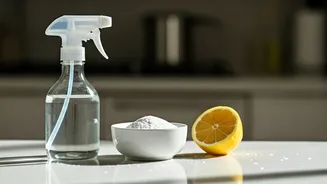
This versatile cleaner can be prepared in two ways: by mixing baking soda with water for a milder effect, or with hydrogen peroxide for a more potent stain-lifting action. Petya Holevich, a cleaning expert, emphasizes that this is the best initial approach for all hard countertops. To use, create a thick paste, apply it generously over the turmeric stain, and let it rest for approximately 10 to 15 minutes. Afterwards, gently scrub the area using a microfiber cloth or a non-abrasive sponge, employing circular motions. Finally, rinse the area thoroughly with water. It’s important to note that if you opt for the baking soda and hydrogen peroxide blend, it should be used cautiously and preferably only on lighter-colored or less sensitive surfaces to prevent any unintended discoloration or damage.
Vinegar's Acidic Clean
For those seeking a more acidic cleaning solution, Jennie Holmes, a stain repair expert, suggests a simple mixture of equal parts white vinegar and water. This potent combination is particularly effective for breaking down turmeric stains. Apply the diluted vinegar directly to the stained area and allow it to penetrate for about 10 to 15 minutes. Then, gently scrub the spot with a sponge that won't scratch the surface, using a circular motion. Wipe the area clean with a damp cloth. If the stain persists, the process can be repeated. Holmes specifically recommends this method for wooden surfaces, such as butcher block countertops or wood flooring, where its acidity can effectively lift stains without causing harm. However, it is crucial to remember that acidic cleaners like vinegar should never be used on delicate surfaces like marble or natural stone, as their finishes can be easily damaged by the acidity.
Lemon Juice Zing
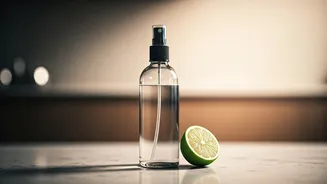
Another effective acidic cleaner recommended by Jennie Holmes is a blend of water and fresh lemon juice. Similar to the vinegar and water solution, this mixture provides a strong acidic punch to combat tough turmeric stains. It can be used on a variety of surfaces, and the application process mirrors that of the vinegar method. Simply apply the lemon juice mixture to the stain, let it sit for 10-15 minutes, and then gently scrub with a non-abrasive sponge. After scrubbing, wipe the area clean with a damp cloth. As with the vinegar solution, this method is generally safe for most countertop materials. However, a critical caution applies: avoid using lemon juice, or any acidic cleaner, on marble or other natural stone surfaces. The inherent acidity in citrus can degrade and damage the protective sealant and the stone itself, leading to permanent etching and discoloration.
Harnessing Sunlight's Power
In a surprisingly simple yet effective approach, cleaning professionals suggest utilizing natural sunlight to tackle turmeric stains. Steve Evans, owner of Memphis Maids, vouches for this method, highlighting its low-effort nature. This technique is most effective when the stained surface is positioned to receive direct sunlight, typically near a window. The principle behind this method is similar to how sunlight is known to naturally whiten yellowed fabrics. The UV rays in sunlight possess a bleaching effect that can gradually break down the chromophores responsible for the turmeric stain. While it requires patience and depends on favorable lighting conditions, it offers an environmentally friendly and cost-effective way to fade and eventually eliminate those stubborn yellow marks. It's an excellent option for less urgent stains or as a supplementary step to other cleaning methods.
The Melamine Sponge Magic
For particularly stubborn turmeric stains that resist other treatments, a melamine sponge, often referred to as a 'magic eraser,' can be a highly effective last resort. Petya Holevich advises that these sponges can be instrumental in lifting deeply set stains. However, it's crucial to exercise caution, as melamine sponges can have a slightly abrasive quality. This means they are generally not recommended for delicate surfaces like marble, granite, or other natural stones, which are more prone to scratching or dulling. Before applying the sponge to a prominent stain, Holevich strongly suggests performing a spot test on an inconspicuous area of the countertop. This will ensure that the sponge doesn't damage the surface finish. To use, lightly dampen the melamine sponge and gently scrub the stained area until the turmeric mark begins to lift.